
Современные интеллектуальные устройства и промышленные машины полагаются на интуитивно понятные интерактивные инструменты.. Функции сенсорного экрана лежат в основе общения человека и машины.. Большинство пользователей ежедневно взаимодействуют с сенсорными экранами, но им не хватает четкой технической подготовки..Сенсорный экран Технология относится к специализированным технологиям восприятия и отображения, которые превращают касания экрана в исполняемые команды..
Он устраняет необходимость использования дополнительных устройств ввода и оптимизирует все интерактивные рабочие процессы.. Более того, он постоянно развивается, чтобы соответствовать коммерческим, промышленные и общественные сценарии. В этой статье объясняется его основное определение., рабочие категории, уникальные преимущества и общие правила использования для новичков и отраслевых покупателей.
Основное определение технологии сенсорного экрана
Технология Touch Screen представляет собой комбинированную аппаратно-программную интерактивную систему.. Он объединяет визуальное отображение и индукцию сигнала в одну единую структуру..
1. Интегрированный интерактивный дизайн
Эта технология объединяет сенсорные слои, чипы управления и панели индикации. Он улавливает сигналы прикосновения пользователя и обеспечивает мгновенную визуальную обратную связь.. Он создает прямую, интуитивно понятный опыт управления.
2. Возможность идентификации активного сигнала
Он может идентифицировать различные действия, такие как постукивание, скольжение и долгое нажатие. Он также отличает действительные прикосновения от случайных.. Эта функция обеспечивает стабильную и точную ежедневную работу..
3. Сценарно-ориентированная техническая итерация
Базовая технология потребительского уровня ориентирована на чувствительность и плавность хода.. Технология сенсорного экрана промышленного уровня отдает приоритет долговечности и устойчивости к окружающей среде.. Различные технические конструкции соответствуют различным условиям работы..
Основные типы современных технологий сенсорных экранов
Каждый тип технологии использует независимую индукционную логику и ориентирован на конкретные области применения..
1. Технология емкостного сенсорного экрана
Эта технология обнаруживает крошечные электрические заряды на человеческих пальцах. Он обеспечивает сверхбыстрый отклик и поддержку мультитач.. Таким образом, он доминирует в бытовой электронике и коммерческих интеллектуальных терминалах.. Он поддерживает плавное управление жестами для ежедневного легкого использования..
2. Технология резистивного сенсорного экрана
Для работы он использует два слоя проводящей пленки и индукцию давления.. Он реагирует на любую физическую силу нажатия.. Кроме того, он полностью поддерживает работу в перчатках и работу стилуса.. Он идеально подходит для суровых условий промышленных цехов..
3. Технология инфракрасного сенсорного экрана
Он создает невидимую сетку инфракрасного света вокруг границы экрана.. Сенсорные действия блокируют световые пути для подтверждения координат.. Он может похвастаться высокой защитой от помех. Тем временем, подходит для крупногабаритного оборудования для общественных мест.
4. Технология поверхностных акустических волн
Он передает ультразвуковые волны по поверхности экрана.. Точки касания поглощают частичные волны для завершения позиционирования.. Обеспечивает сверхвысокую светопроницаемость.. По этой причине, это относится к высокоточным профессиональным устройствам.
Фундаментальные принципы работы технологии сенсорного экрана
Все технологии сенсорного экрана следуют простому и эффективному рабочему циклу..
1. Вызвать изменения физической индукции
Первый, прикосновения пользователя создают физические изменения на поверхности экрана. Изменения включают в себя сдвиг заряда, контакт давления или легкая окклюзия. Эти действия генерируют оригинальные интерактивные сигналы..
2. Собирайте точные координатные данные
Следующий, встроенные профессиональные датчики фиксируют малейшие изменения сигнала. Они рассчитывают точные позиции касания и треки операций в режиме реального времени.. Весь процесс завершается в течение миллисекунд.
3. Передача данных на управляющие чипы
Затем, Чипы внутреннего контроля получают и сортируют эффективные данные. Они фильтруют недействительные сигналы помех, чтобы избежать неправильных команд.. Этот шаг гарантирует точность работы..
4. Осуществлять обратную связь и взаимодействие
Окончательно, система выполняет соответствующие функции. На экране обновляется содержимое для завершения взаимодействия человека и машины.. Этот стабильный цикл поддерживает длительное многократное использование..
Ключевые преимущества современной технологии сенсорного экрана
Усовершенствованная технология сенсорного экрана обеспечивает очевидные улучшения по сравнению с традиционными методами управления..
1. Упрощение общей логики работы
Это устраняет зависимость от внешних клавиатур и мышей.. Пользователи завершают все операции посредством прямого контакта с экраном.. Это значительно снижает пороги операций для новых пользователей..
2. Повысьте эффективность работы устройства
Быстрый отклик сигнала сокращает время ожидания операции. Точная индукция снижает вероятность ошибочных операций и повторных регулировок.. Это постоянно повышает общую эффективность работы..
3. Повышение долговечности оборудования
Обновленная промышленная технология обеспечивает защиту от пыли, водонепроницаемость и устойчивость к царапинам. Он адаптируется к частому использованию и суровым условиям.. Эффективно продлевает срок службы оборудования.
4. Поддержка индивидуальной настройки
Производители адаптируют технические параметры под разные сценарии. Они оптимизируют чувствительность, размер и защита от помех. Он отвечает разнообразным производственным требованиям промышленности..
Распространенные области применения технологии сенсорного экрана
Технология сенсорного экрана обслуживает практически все области интеллектуального интерактивного оборудования..
1. Оборудование промышленной автоматизации
Панели управления мастерской используют резистивные и инфракрасные технологии.. Они адаптируются к работе в перчатках., пыль и вибрация. Они обеспечивают стабильный мониторинг производства в течение всего дня..
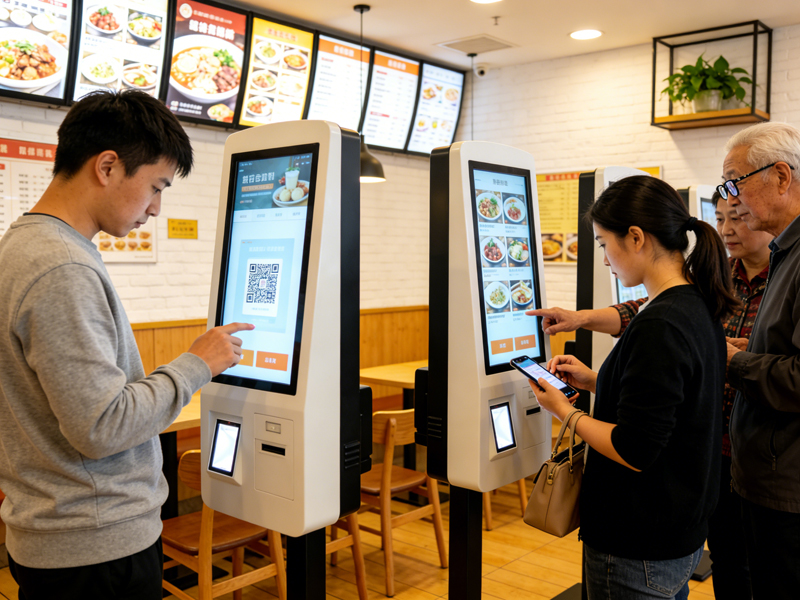
2. Коммерческие терминалы самообслуживания
Киоски общественного питания и розничной торговли используют емкостную технологию.. Это обеспечивает плавный и быстрый процесс заказа.. Это эффективно сокращает время ожидания клиентов в очереди..
3. Умные офисные и домашние устройства
В офисных дисплеях и панелях «умного дома» используются проверенные емкостные технологии.. Он создает простое и удобное ежедневное интеллектуальное взаимодействие..
4. Общественные интерактивные экраны
Выставочные и справочные машины используют инфракрасную сенсорную технологию.. Он поддерживает дисплей большого размера и сильную защиту от повреждений.. Это снижает нагрузку на обслуживание общественного оборудования..
Часто задаваемые вопросы о технологии сенсорного экрана
1 квартал: Какая технология сенсорного экрана наиболее широко используется??
А1: Емкостная сенсорная технология занимает первое место по популярности. Он отличается быстрым откликом и плавным взаимодействием с большинством коммерческих и повседневных устройств..
2 квартал: Какая технология сенсорного экрана лучше всего подходит для промышленных сред?
А2: Резистивная и инфракрасная сенсорная технология работают лучше всего.. Они поддерживают работу в перчатках и противостоят резким вмешательствам в мастерской..
Q3: Что вызывает отказ сенсорного экрана?
А3: Помехи сигнала, Накопление поверхностной грязи или старение чувствительных слоев в основном вызывают эту проблему.. Регулярное техническое обслуживание обеспечивает стабильную техническую производительность..
Q4: Может ли технология сенсорного экрана работать при экстремальных температурах??
А4: Стандартные технологии борются с экстремальными климатическими условиями. Профессиональная промышленная сенсорная технология адаптируется к высоким и низким температурам..
Q5: Можно ли заменить другую технологию сенсорного экрана??
А5: Нет. Каждая технология имеет уникальную индукционную логику и структуру.. Прямая замена приводит к плохой совместимости и нестабильной работе..
Заключение
Подводить итоги, Технология сенсорного экрана — это основная технология взаимодействия человека и машины, сочетающая в себе сенсорное, обработка данных и вывод на дисплей. Он включает в себя четыре основных типа с независимыми принципами работы и сценарными преимуществами.. Это упрощает рабочие процессы, повышает эффективность оборудования и поддерживает индивидуальное промышленное и коммерческое использование. Выбор подходящей технологии сенсорного экрана напрямую повышает стабильность устройства и удобство использования..
Если вы хотите выбрать подходящее оборудование, оснащенное профессиональной технологией сенсорного экрана, для вашего бизнеса или промышленных проектов., пожалуйста, заполните форму запроса на нашем сайте. Покиньте среду использования, тип оборудования и функциональные потребности. Наша профессиональная команда предложит индивидуальные, экономичные решения для сенсорных экранов для вас.