
Modern businesses rely on self-service tools to boost daily efficiency. A kiosk cuts queue times, reduces manual errors and eases staff workload. Even so, most new buyers struggle with unclear pricing ranges before purchase.
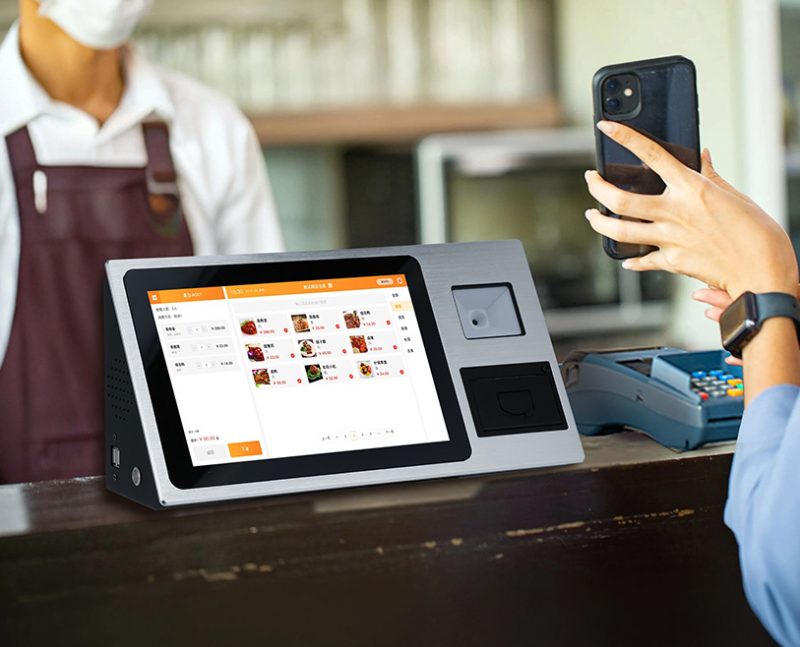
Kiosk prices never follow a fixed standard. Instead, costs shift based on hardware specs, built-in functions and usage environments. Moreover, customized features and long-term service plans create obvious price gaps. This updated 2026 guide breaks down standard kiosk price tiers, core cost factors, hidden charges and practical buying tips.
Standard Kiosk Price Tiers in 2026
Kiosks costs fall into three clear tiers for different commercial and public scenarios. Each tier matches stable configurations and fixed budget ranges.
1. Basic entry-level kiosks ($1,500 – $7,000)
Entry kiosks support simple indoor self-service functions. They include basic touch screens, single payment modes and standard printing tools. They fit small retail shops, local cafes and simple inquiry scenarios. These models need no complex customization and keep initial costs low.
2. Mid-range commercial kiosks ($7,000 – $20,000)
Mid-tier kiosks balance performance and affordability for most businesses. They add multi-payment support, stable data sync and anti-scratch screen panels. They adapt high-traffic indoor environments like chain restaurants and shopping malls. Most store owners choose this tier for daily operational upgrades.
3. High-end customized kiosks ($20,000 – $50,000+)
Premium kiosks feature full customized hardware and software. They use waterproof, dustproof and anti-corrosion materials for outdoor or industrial use. They also support exclusive UI design, multi-module integration and 24-hour continuous operation. Large commercial projects and public facilities often adopt these robust models.
Core Factors That Determine Regular Kiosk Costs
Many key details drive price differences for every standard kiosk. You can judge product value easily with these practical factors.
1. Screen size and display quality
Screen size directly affects base costs. Common sizes range from 15.6 inches to 32 inches for indoor use. Anti-glare, high-brightness screens add extra fees for outdoor visibility and touch sensitivity.
2. Integrated functional modules
Extra hardware modules raise overall quotes. Built-in cash acceptors, barcode scanners and card readers all increase production costs. Basic kiosks remove redundant modules to control small business budgets.
3. Software and system functions
Standard fixed systems cover basic ordering and payment needs. In contrast, customized backend management, remote updates and data analysis tools add software expenses. These smart upgrades improve long-term operational efficiency.
4. Working environment grades
Indoor kiosks use common shell materials and standard parts. Outdoor kiosks need weather-resistant structures to resist wind, sunlight and dust. These durable designs greatly lift manufacturing costs.
5. Customization and appearance upgrades
Custom logo printing, exclusive interface layouts and personalized sizes create price differences. Standard universal models keep costs low, while tailor-made versions fit unique brand styles.
Hidden Long-Term Costs for Kiosk Deployment
Many buyers only focus on upfront prices and ignore follow-up expenses. These hidden items impact total investment budgets.
1. Installation and debugging fees
Simple indoor placement needs minimal professional work. However, embedded or outdoor installation requires professional debugging. Complex layouts may generate small one-time service fees.
2. System maintenance and upgrade fees
Basic kiosk systems need no annual charges. Yet advanced smart systems require low subscription fees for cloud storage and regular function updates. These fees ensure stable long-term operation.
3. Daily part replacement costs
Long-hour use causes minor wear on printers and touch screens. Regular maintenance and occasional part replacements support consistent device performance.
Practical Tips to Lower Your Kiosk Budget
You can cut unnecessary costs without sacrificing kiosk quality. These tips help you gain the best price-performance ratio.
1. Match functions to real demands
Avoid overbuying advanced features for simple scenarios. Choose basic configurations for small indoor stores. Reserve customized modules only for special business needs.
2. Choose modular upgrade designs
Modular kiosk structures support later function expansion. You add new modules gradually instead of paying for full functions upfront. This method disperses early investment pressure.
3. Purchase in bulk for better discounts
Batch orders bring obvious volume discounts. Meanwhile, unified device models simplify later maintenance and part replacement work.
FAQs About Standard Kiosk Costs
Q1: What is the average cost of a regular commercial kiosk?
A1: Most standard indoor business kiosks cost between $7,000 and $20,000. This mid-range tier suits most catering, retail and public service scenarios.
Q2: Why do outdoor kiosks cost far more than indoor models?
A2: Outdoor kiosks adopt weatherproof, dustproof and high-temperature resistant materials. They also use enhanced hardware to stabilize outdoor operation, so their overall costs rise.
Q3: Do kiosks have recurring annual fees?
A3: Basic kiosks have no recurring fees. Only customized smart systems charge small subscription fees for cloud management and system upgrades.
Q4: Is customized kiosk design worth the extra cost?
A4: Yes for brand-focused businesses. Custom interfaces and sizes match store styles and meet exclusive operational needs. They improve long-term service consistency.
Q5: Can I reduce costs without lowering kiosk quality?
A5: Yes. You can select standard modular models and add functions on demand. This strategy avoids wasting money on unused advanced features.
Conclusion
To sum up, a kiosk usually costs between $1,500 and $50,000 based on configurations and customization. Basic indoor models fit low-budget projects, while mid-range kiosks meet most commercial needs. High-end customized versions serve complex outdoor and industrial scenarios. Besides upfront device prices, you also need to consider installation, maintenance and upgrade fees for full budget planning. Reasonable function selection greatly optimizes your overall investment.
If you want accurate, budget-friendly quotes for high-quality kiosks, please fill out the inquiry form on our official website. Share your usage scenarios, required functions and purchase demands. Our professional team will create customized and cost-effective kiosk solutions for your business.