
In the beverage industry, every minute of downtime eats into profits. Manufacturers need to keep lines running 24/7, but they’re up against sticky spills, high humidity, constant washdowns, and lots of operators using equipment. Generic industrial HMI screens? They’re a headache—needing constant repairs, cleaning, and calibration, which drains time and money.
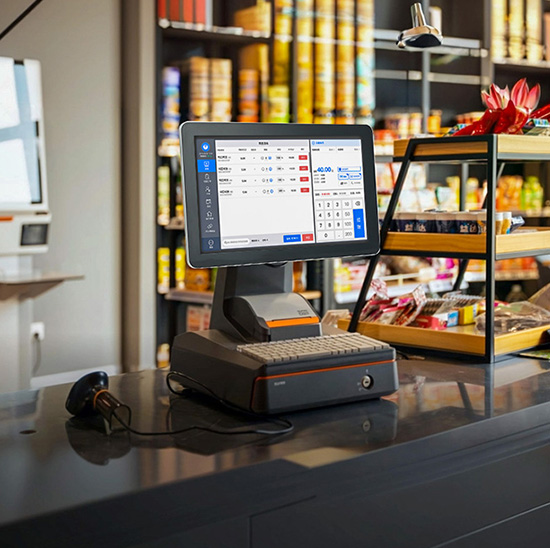
Low-Maintenance Industrial HMI Screens for Beverages are the solution. Built specifically for beverage production, they’re tough, easy to clean, and long-lasting—so you spend less on maintenance and more on making drinks. Whether you’re bottling soda, brewing beer, mixing juice, or pasteurizing dairy, these screens make operations smooth and hassle-free. Let’s dive into their features, how they’re used, and why they’re a game-changer for beverage teams
Core Features of Low-Maintenance Industrial HMI Screens for Beverages
1. Rugged Build That Stands Up to Beverage Messes
These screens are made to handle the chaos of beverage production, so you don’t have to fix them constantly:
Spill and chemical proof: 316L stainless steel frames and anti-stick glass repel sticky soda, juice, and dairy. No more residue buildup or unexpected malfunctions.
Tough against washdowns: With an IP69K rating, they survive high-pressure, high-temperature (up to 85°C) cleaning with food-safe sanitizers—no need to take them apart.
Corrosion and humidity resistant: Seamless design and moisture-proof parts keep rust and water damage at bay, even in humid bottling plants.
2. Long-Lasting Parts That Cut Replacement Costs
Designed to last, these HMIs save you money on replacements and maintenance:
Superior durability: Rated for 50,000+ hours of nonstop use—that’s over 5 years of 24/7 operation, way more than standard HMIs (which only last ~30,000 hours).
Scratch-resistant touch: 9H-hardness capacitive sensors handle scratches from tools, gloves, and daily use—no need to calibrate them constantly.
Energy-efficient design: Low-power components generate less heat, so internal parts last longer and you avoid overheating failures.
3. Easy-Clean Design That Saves Time
Cleaning these HMIs is a breeze, so your team spends less time on upkeep and more on production:
Crevice-free surfaces: No gaps to trap spills or debris—just wipe with a damp cloth in seconds, no special tools needed.
Anti-fingerprint coating: Fewer smudges mean less cleaning during shifts.
Quick-dry glass: Repels water and cleaners, so screens are ready to use right after washdowns—no waiting around for them to dry.
4. Intuitive Operation That Reduces Mistakes
User-friendly features make these HMIs easy to use, even for new operators:
High-contrast display: 1000-nit brightness and anti-glare coating ensure visibility in bright production areas, so operators don’t strain their eyes or make mistakes.
Gloved-hand compatibility: Enhanced touch works with latex, nitrile, or cut-resistant gloves—no need to remove PPE, which prevents spills and errors.
Customizable dashboards: Pre-programmed icons for tasks like “Bottling Speed” or “Pasteurization Temp” mean less training time and confusion
5. Self-Diagnostic Tools That Prevent Downtime
Built-in features spot problems before they stop production, making maintenance easy:
Real-time status monitoring: See how components like temperature, power, and touch sensors are doing—get alerts if something’s wrong.
Automated error logging: Records issues and codes, so maintenance teams fix problems fast.
Remote monitoring: Syncs with plant software, so you can check HMI performance from off-site and schedule maintenance proactively.
How Low-Maintenance HMIs Are Used in Beverage Production
1. Bottling & Canning Lines
High-speed bottling lines need reliable, low-maintenance controls to avoid costly downtime:
Line speed and fill control: Operators adjust bottling speed and fill volumes via the HMI, with real-time feedback—no need to calibrate constantly.
Labeling integration: Syncs with labeling systems to monitor alignment and application, alerting to jams—so you don’t have to check manually.
Inspection control: Links to vision systems to show defect counts (like dents or mislabels) and adjust sensitivity, reducing maintenance for both the HMI and inspection equipment.
2. Mixing & Blending Stations
Beverage mixing requires precise control with minimal interruptions:
Ingredient ratio control: Operators input and adjust mixing ratios (syrup, water, flavorings) via the touchscreen, with stored recipes to avoid repeated setup.
Temp and pressure monitoring: Tracks mixing tank temps and pressure, alerting to deviations—preventing batch failures and HMI upkeep.
CIP integration: Starts automated cleaning cycles from the HMI, logging times and chemical use—simplifying compliance and manual input.
3. Pasteurization & Sterilization Systems
Critical for safety, these systems need reliable, low-upkeep controls:
Temp and time control: Maintains precise pasteurization temps (e.g., 72°C for 15 seconds for milk) and cycles, with self-calibrating sensors—no manual adjustments.
Pressure monitoring: Alerts to pressure buildup or valve issues, preventing equipment damage and HMI troubleshooting.
Batch tracking: Logs pasteurization data per batch, with automated report generation for compliance—no manual data entry.
4. Cold Storage & Refrigeration
Low temps and high humidity demand durable, low-maintenance HMIs:
Temp monitoring and control: Tracks cold storage temps (e.g., -5°C for bottled water, 4°C for dairy) with alerts for fluctuations—no frequent sensor checks.
Defrost cycle management: Automates defrost cycles for refrigeration units, with the HMI showing cycle status—reducing manual work.
Inventory integration: Links to inventory systems to show raw material or finished product stock levels, minimizing downtime from stockouts.
Customer Success Story: A Craft Brewery’s HMI Makeover
A mid-sized craft brewery in Colorado was stuck with outdated HMIs: sugary wort spills caused malfunctions, needing monthly cleanings and quarterly replacements. Maintenance teams spent 8+ hours weekly fixing unresponsive touchscreens and calibrating sensors—time that should’ve been spent brewing.
After switching to Low-Maintenance Industrial HMI Screens, everything changed:
Maintenance time dropped 75%: Weekly HMI upkeep went from 8 hours to just 2 hours, freeing teams for other tasks.
Replacement costs plummeted: The brewery went from replacing HMIs every 3 months to every 4+ years, saving $15,000 annually.
Production uptime rose 5%: Fewer failures and faster cleaning added 18+ production days yearly, boosting revenue by $200,000+.
“The low-maintenance HMIs were a game-changer,” said the production manager. “We no longer stop lines to clean or repair screens—they just work, day in and day out.”
Why Low-Maintenance HMIs Are a Win for Beverage Producers
1. Slash Maintenance Costs and Labor
Minimize upkeep expenses and free your team for key tasks:
Cut maintenance labor costs by 60–75%—no more frequent cleaning, calibration, or repairs.
Extend HMI life by 3–5x compared to standard screens, reducing replacement costs by thousands yearly.
No need for special cleaning tools or training, so you save even more.
2. Boost Production Uptime and Efficiency
Keep beverage lines running longer, so you make more drinks and more money:
Cut HMI-related downtime by 90%, adding valuable production hours weekly.
Quick cleaning and intuitive operation minimize shift interruptions, improving line efficiency by 5–10%.
Self-diagnostic tools let you fix issues before they cause shutdowns.
3. Simplify Compliance and Improve Quality
Reliable performance ensures consistent quality and regulatory compliance:
Automated data logging and reporting make it easy to meet FDA, TTB, and EU regulations—no more manual paperwork or errors.
Consistent touch response and accurate sensor integration reduce batch failures from operator mistakes or HMI malfunctions.
Washdown-resistant design means you stay hygienic without sacrificing performance.
4. Happy Operators and Faster Training
User-friendly features make daily tasks easier for your team:
Intuitive dashboards and glove compatibility cut frustration and training time (new staff learn in under an hour).
High-visibility displays and minimal downtime boost morale, reducing turnover in production roles.
Fewer maintenance interruptions let operators focus on what they do best, increasing job satisfaction.
FAQs About Low-Maintenance Industrial HMI Screens for Beverages
Q1: How often do these HMIs need cleaning compared to standard screens?
A1: Low-Maintenance HMIs only need quick daily wipes (30 seconds or less) thanks to their anti-stick, crevice-free design. Standard screens often need 5–10 minutes per shift, plus weekly deep cleaning—saving you hours of labor yearly.
Q2: Will these screens work with my existing beverage equipment (bottling lines, mixers)?
A2: Yes. They support leading industrial protocols (PROFINET, Ethernet/IP, Modbus TCP) and integrate with bottling machines, mixers, pasteurizers, and software from brands like Krones, Sidel, and Tetra Pak. We’ll verify compatibility during setup.
Q3: Can the HMIs handle high humidity in bottling plants?
A3: Absolutely. They’re rated for humidity up to 95% (non-condensing) with moisture-proof components and sealed enclosures. They’ll perform reliably even in the most humid beverage environments, with no rust or water damage.
Q4: Do I need specialized training to use the self-diagnostic tools?
A4: No. The HMI displays clear alerts and error codes (like “Low Touch Sensitivity” or “Power Supply Warning”) that maintenance teams can act on quickly. We provide a simple troubleshooting guide, and most issues are fixed in under 15 minutes.
Q5: What’s the warranty on these Low-Maintenance Industrial HMI Screens?
A5: All models come with a 5-year warranty covering hardware defects, touch responsiveness, and resistance to spills/chemicals. Extended 7-year warranties are available for high-volume production lines, with 24/7 technical support for critical issues.
Conclusion
Low-Maintenance Industrial HMI Screens for Beverages eliminate the headaches of frequent cleaning, repairs, and replacements that slow down production and drive up costs. With their rugged, beverage-resistant builds, long-lasting parts, and intuitive operation, they deliver reliable performance with minimal upkeep—so you can focus on making great drinks efficiently.
Ready to streamline your beverage production with low-maintenance Industrial HMI Screens? Fill out the form on our website to connect with our beverage technology experts. We’ll assess your production line, verify compatibility, and provide a customized solution—helping you cut maintenance time, boost uptime, and maximize profitability.