
Wind turbines are vital to renewable energy grids, but outdoor operation exposes them to extreme weather, vibrations, and remote locations. Traditional control interfaces often fail here: foggy displays, unresponsive controls, or fragile components can disrupt monitoring, delay maintenance, and cut energy production. These issues limit wind farm efficiency and increase operational costs.Outdoor Industrial HMI Screens for Wind Turbines solve these critical challenges.
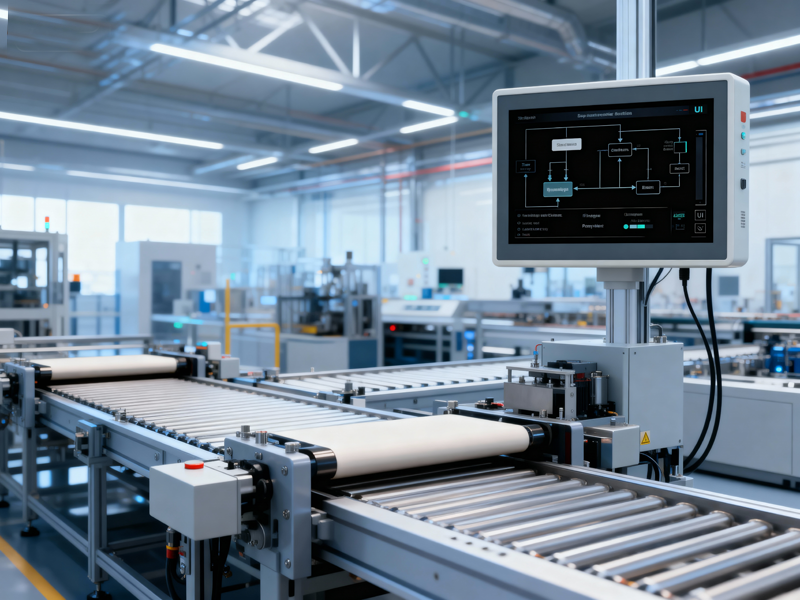
Engineered for the harshest outdoor conditions—from blizzards to heatwaves—these screens deliver reliable real-time monitoring and control of turbine performance. They connect with generators, sensors, and grid systems, letting operators track wind speed, power output, and mechanical health from the turbine base or remote control centers. Whether deployed in onshore wind farms or offshore installations, these Outdoor Industrial HMI Screens are the backbone of efficient, resilient wind energy operations. This article breaks down their key features, benefits, applications, and FAQs to show how they revolutionize wind turbine management.
Core Features of Outdoor Industrial HMI Screens for Wind Turbines
1. Extreme Weather Resistance & Rugged Design
Wind turbine environments are unforgiving—and these screens are built to endure:
IP66/IP67 dust & water resistance: Sealed enclosures block rain, snow, dust, and salt spray (critical for offshore wind farms).
Wide temperature tolerance: Operate reliably from -40°C to 70°C (-40°F to 158°F), withstanding freezing winters and scorching summers.
Wind & vibration resistance: Reinforced frames handle gusts up to 250 km/h (155 mph) and 5G vibrations from turbine rotation.
UV & corrosion protection: Anti-UV coatings prevent display fading, while stainless steel frames resist rust and saltwater corrosion.
This ruggedness ensures 24/7 performance, even in the most extreme wind farm conditions.
2. High-Visibility Displays for Outdoor Use
Clear visibility is non-negotiable for outdoor monitoring—and these screens deliver:
1200+ nit high-brightness: Ensures readability in direct sunlight, eliminating glare that plagues standard displays.
Anti-fog & anti-reflective glass: Special coatings prevent condensation and reflections, even in humid or foggy environments.
High-contrast, dimmable panels: Bold text and graphics remain visible at night, with auto-dim to reduce light pollution and eye strain.
Wide viewing angles: 178° horizontal/vertical visibility lets technicians read data from any position at the turbine base.
3. Real-Time Turbine Monitoring & Control
Efficient wind energy depends on instant insights—and these screens deliver:
Key performance tracking: Monitor wind speed, rotor speed, power output (kW), and grid connection status in real time.
Mechanical health alerts: Visual/audio warnings for issues like “Gearbox Overheating,” “Blade Imbalance,” or “Low Oil Pressure.”
Remote control capabilities: Adjust turbine pitch, start/stop operations, or sync with grid demands from the HMI screen or off-site.
Data logging & trend analysis: Store 6+ months of performance data to identify efficiency patterns or maintenance needs.
This level of control lets operators address issues fast, minimizing downtime and maximizing energy production.
4. Seamless Integration with Wind Turbine Systems
They connect with your existing infrastructure to avoid disruptions:
Compatibility with turbine brands: Works with Vestas, Siemens Gamesa, GE Renewable Energy, and Nordex turbines.
Grid & sensor integration: Syncs with wind sensors, SCADA systems, and grid management software for end-to-end visibility.
Multiple communication protocols: Support Modbus TCP, Ethernet/IP, and 5G/Wi-Fi 6 for stable data transfer in remote areas.
Cloud connectivity: Push data to cloud platforms (AWS, Azure) for remote access and fleet-wide performance analysis.
5. Intuitive Interface & Durable Touch Controls
Wind farm teams need user-friendly, tough tools—and these screens deliver:
Gloved-hand compatibility: Enhanced touch sensitivity works with thick work gloves, so technicians don’t remove PPE in harsh conditions.
Large, simple icons: Clear labels like “Turbine Status,” “Power Output,” and “Maintenance Alerts” reduce training time.
One-tap shortcuts: Quick access to critical functions (e.g., “Emergency Stop,” “Pitch Adjustment”) speeds up response times.
Shock-resistant touch panels: Tempered glass withstands accidental impacts from tools or debris.
Key Benefits for Wind Farms & Operators
1. Boost Energy Output & Turbine Efficiency
Every kilowatt-hour counts—and these screens maximize wind energy potential:
Increase energy yield by 8–12%: Real-time wind speed data lets operators adjust turbine pitch for optimal performance.
Reduce downtime by 40%: Fast fault detection cuts resolution time, getting idle turbines back online faster.
Optimize load balancing: Sync with grid demands to avoid curtailment and maximize feed-in tariffs.
Minimize energy waste: Alerts for inefficient operation (e.g., “Low Wind Speed Idling”) let operators adjust settings.
2. Simplify Maintenance & Lower Operational Costs
Wind turbine maintenance is costly—these screens streamline upkeep:
Predictive maintenance alerts: Identify mechanical wear (e.g., “Bearing Wear Detected”) before failures occur, reducing emergency repairs.
Cut travel costs: Remote monitoring lets operators check turbine status from control centers, reducing site visits to remote locations.
Extend turbine lifespan: Proper monitoring and timely maintenance add 2–3 years to turbine life, delaying replacement costs.
Simplify technician training: Intuitive interfaces mean new staff master the system in hours, not days.
3. Enhance Safety & Compliance
Wind farm safety is paramount—and these screens support it:
Remote operation: Reduce technician exposure to high altitudes and moving parts by controlling turbines from the ground.
Emergency response tools: One-tap emergency stop and fault isolation prevent accidents during maintenance.
Compliance reporting: Auto-generate logs for regulatory standards (e.g., IEC 61400) and safety audits.
Access control: Restrict sensitive operations to authorized users, ensuring compliant, safe turbine management.
4. Improve Resilience for Remote & Offshore Wind Farms
Remote and offshore wind farms face unique challenges—and these screens rise to them:
Offline functionality: Store data locally if connectivity drops, syncing automatically when back online.
Low-power operation: Efficient components reduce energy use, ideal for offshore turbines with limited power backup.
Marine-grade protection: Saltwater-resistant materials and sealed enclosures thrive in offshore environments.
Fleet-wide visibility: Centralize data from multiple turbines, letting operators manage entire wind farms from one dashboard.
Practical Applications for Different Wind Turbine Settings
1. Onshore Wind Farms
For large-scale onshore installations with multiple turbines:
Fleet monitoring: Track 50+ turbines from a central HMI dashboard, identifying underperforming units quickly.
Terrain-specific adjustments: Use wind speed data to optimize turbines in hilly or turbulent areas.
Easy maintenance access: Mounted at turbine bases for quick technician checks during site visits.
2. Offshore Wind Farms
For harsh marine environments with remote turbines:
Saltwater & corrosion resistance: Marine-grade materials withstand constant salt spray and humidity.
Remote data transmission: 5G and satellite connectivity ensure constant communication with onshore control centers.
Low-maintenance design: Durable components reduce the need for frequent offshore service visits.
3. Small-Scale & Distributed Wind Turbines
For commercial or industrial on-site wind systems:
Compact footprint: Fits at the base of small turbines without taking up valuable space.
Simplified monitoring: Focus on key metrics (power output, grid sync) for easy management by non-specialists.
Grid integration tools: Sync with on-site energy systems to maximize self-consumption and reduce utility costs.
4. Cold-Climate Wind Farms
For regions with blizzards, ice, and freezing temperatures:
Anti-icing features: Heated displays prevent ice buildup that blocks visibility or damages components.
Low-temperature performance: Operate reliably at -40°C, with no lag or display issues in freezing conditions.
Snow-resistant design: Angled screens and sealed enclosures shed snow and prevent accumulation.
FAQs About Outdoor Industrial HMI Screens for Wind Turbines
Q1: Will the screen work with my existing wind turbine brand (Vestas, Siemens Gamesa, etc.)?
A1: Yes. It’s compatible with all leading turbine brands and supports standard communication protocols (Modbus, Ethernet/IP) for seamless integration. Our team verifies compatibility during setup.
Q2: How durable are the screens for offshore wind farms with saltwater exposure?
A2: They’re built for offshore use—IP67 water resistance, marine-grade stainless steel frames, and anti-corrosion coatings. Most models last 10+ years in saltwater environments with minimal maintenance.
Q3: Can I access turbine data remotely from an onshore control center?
A3: Absolutely. Cloud connectivity and 5G/Wi-Fi 6 support let you monitor and control turbines from anywhere, with real-time data sync and remote adjustment capabilities.
Q4: Do the screens require regular maintenance in harsh outdoor conditions?
A4: Minimal maintenance is needed. The sealed design and rugged components reduce upkeep—just occasional cleaning of the anti-reflective glass to remove dust or salt residue. Self-diagnostic tools alert you to potential issues.
Q5: What warranty comes with Outdoor Industrial HMI Screens for wind turbines?
A5: All models include a 5-year warranty covering hardware defects, weather damage, and touch responsiveness. Extended 10-year warranties are available for offshore wind farms, with 24/7 technical support.
Conclusion
Outdoor Industrial HMI Screens for Wind Turbines are an indispensable investment for modern wind farms. They withstand extreme weather, deliver clear real-time monitoring, and simplify maintenance—all while boosting energy output and reducing operational costs. Whether you manage onshore, offshore, or small-scale wind systems, these screens turn remote, harsh turbine environments into efficient, manageable operations.
Ready to optimize your wind turbines with rugged, reliable Outdoor Industrial HMI Screens? Fill out the form on our website to connect with our renewable energy technology experts. We’ll assess your wind farm’s needs, verify turbine compatibility, and recommend a customized solution to maximize energy production and ROI. Let’s unlock the full potential of your wind energy investment—start today!