
Smart grids are reshaping the future of energy distribution, merging traditional power networks with digital technology to enable two-way energy flow, renewable integration, and demand response. Yet managing these complex systems demands precise, centralized control—and standard interfaces often fall short. Clunky analog controls, disjointed data streams, and fragile displays struggle to keep pace with smart grid dynamics, leading to inefficiencies, delayed fault response, and missed optimization opportunities. Industrial Touch Panels emerge as the backbone of smart grid operations, designed to unify monitoring, control, and data analysis in one rugged, intuitive hub.
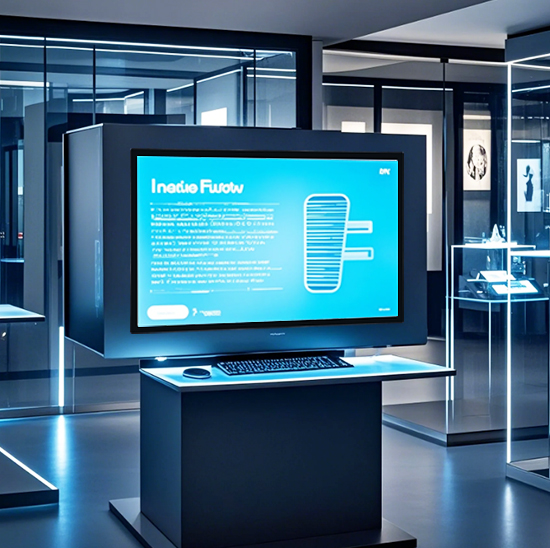
These panels deliver real-time visibility into grid voltage, renewable energy output, load levels, and device status, letting operators make fast, data-driven decisions. They integrate seamlessly with smart meters, inverters, systems (ESS), and grid management software, supporting the flexibility and scalability that smart grids require. Whether deployed in substations, control centers, or distributed energy sites, Industrial Touch Panels unlock the full potential of smart grid technology. This article breaks down their core features, benefits, applications, and FAQs to show how they revolutionize energy distribution.
Core Features of Industrial Touch Panels for Smart Grid Tech
1. Real-Time Smart Grid Monitoring & Data Visualization
Accurate, instant data is critical for smart grid stability—and these panels deliver it:
Key metric tracking: Monitor voltage, frequency, power factor, renewable energy output, and load distribution across the grid.
Dynamic, customizable dashboards: Tailor views to prioritize critical data (e.g., “Solar/Wind Output,” “Grid Load Balance,” “Fault Alerts”).
Color-coded alarm systems: Visual and audio warnings for grid anomalies (overloads, voltage fluctuations, equipment failures) with priority ranking.
Historical data logging: Store 3–5 years of grid data for trend analysis, maintenance planning, and regulatory reporting.
This level of visibility eliminates blind spots, ensuring operators stay ahead of potential grid issues.
2. Rugged, Industrial-Grade Durability for Grid Environments
Smart grid sites—from substations to outdoor renewable farms—demand tough equipment:
IP65/IP67 dust & water resistance: Sealed enclosures protect against dust, moisture, and weather in outdoor and industrial settings.
Wide temperature tolerance: Operate reliably from -20°C to 60°C (-4°F to 140°F), fitting extreme climates in renewable energy sites.
Shock, vibration & EMI resistance: Reinforced frames withstand vibrations from transformers, while EMI/RFI shielding blocks interference from high-voltage equipment.
Corrosion-resistant materials: Stainless steel or aluminum casings resist rust and degradation from humidity or industrial pollutants.
This durability ensures 24/7 operation, even in the harshest smart grid environments.
3. Precision Grid Control & Renewable Energy Integration
These panels turn data into action to optimize grid performance:
Load balancing automation: Adjust power flow to prevent overloads and ensure stable voltage across the grid.
Renewable energy management: Sync with solar/wind inverters to adjust output and integrate variable renewable energy into the grid.
Demand response activation: Trigger load curtailment for non-critical devices during peak demand to stabilize the grid.
Remote device control: Operate circuit breakers, smart meters, and ESS remotely, reducing on-site technician visits.
This precision control maximizes grid efficiency and supports the seamless integration of green energy.
4. Seamless Integration with Smart Grid Systems
They connect with existing infrastructure to avoid operational disruptions:
Compatibility with grid equipment: Works with smart meters, inverters, ESS, SCADA systems, and EMS platforms from leading brands (Siemens, ABB, Schneider Electric).
Standard communication protocols: Support IEC 61850, Modbus TCP, MQTT, and Ethernet/IP for secure, stable data transfer in critical grid operations.
Cloud connectivity: Push data to cloud-based grid management platforms for remote monitoring and fleet-wide control.
Redundant systems: Dual power supplies and network connections ensure continuous operation if one system fails.
This integration ensures the panels fit seamlessly into existing smart grid ecosystems.
5. User-Friendly Interface & Accessibility
Designed for grid operators working in high-stakes environments:
Gloved-hand compatibility: Enhanced touch sensitivity works with insulated gloves, so technicians don’t remove PPE in hazardous areas.
Intuitive navigation: Large icons, drag-and-drop functionality, and step-by-step menus reduce training time for operators.
Low-light visibility: Backlit displays and high-contrast visuals ensure readability in dimly lit substations or nighttime operations.
Multi-language support: Offer English, Spanish, German, and Chinese to cater to global grid operations teams.
Key Benefits of Industrial Touch Panels for Smart Grids
1. Boost Grid Stability & Reduce Outages
Smart grids rely on stability—and these panels strengthen it:
Reduce power outages by 30–40%: Real-time fault detection lets operators isolate issues before they spread to the wider grid.
Enhance renewable integration: Smoothly integrate variable solar/wind energy to maintain grid frequency and voltage.
Speed up outage recovery: Remote control and clear fault data cut restoration time for affected areas.
Prevent cascading failures: Early alerts for overloads or equipment issues stop small problems from becoming major outages.
2. Improve Operational Efficiency & Lower Costs
These panels streamline workflows and reduce operational expenses:
Cut technician site visits by 50%: Remote monitoring and control eliminate the need for on-site checks of every grid node.
Optimize maintenance schedules: Predictive alerts for equipment wear let operators schedule servicing before failures occur.
Reduce energy waste: Identify inefficient load patterns and adjust distribution to minimize transmission losses.
Simplify compliance reporting: Automated data logging generates audit-ready reports for energy regulations.
3. Support Scalability for Growing Smart Grids
As smart grids expand, these panels grow with them:
Fleet-wide management: Monitor multiple grid sites (substations, renewable farms) from a single centralized dashboard.
Adapt to new technologies: Integrate with emerging smart grid devices (smart sensors, microgrids) as the network evolves.
Handle increased data loads: Process and visualize data from thousands of smart meters and devices without performance lag.
Customizable for microgrids: Support small-scale, localized grid systems (e.g., campus or community microgrids) with tailored controls.
4. Enhance Operator Safety & Decision-Making
Grid operations are high-risk—and these panels mitigate dangers:
Remote operation: Let technicians control equipment from safe distances, reducing exposure to high voltage.
Data-driven insights: Clear dashboards and trend analysis help operators make informed decisions quickly.
Safety interlocks: Prevent unauthorized operation of critical grid equipment, ensuring compliance with safety protocols.
Real-time hazard alerts: Warn operators of unexpected voltage spikes or equipment faults before they enter dangerous areas.
Practical Applications for Different Smart Grid Settings
1. Utility-Scale Smart Grid Control Centers
For large-scale grid operators managing regional energy distribution:
Grid-wide monitoring: Track power flow from substations to end users, with real-time load balancing.
Renewable fleet management: Monitor and adjust output from multiple solar/wind farms to integrate with the main grid.
Demand response coordination: Activate load curtailment programs during peak demand to stabilize the grid.
2. Renewable Energy Farm Integration (Solar/Wind)
For connecting solar/wind farms to the smart grid:
Inverter control: Adjust inverter output to match grid voltage and frequency requirements.
Energy storage sync: Manage ESS to store excess renewable energy for use during low-production periods.
Grid code compliance: Ensure renewable energy integration meets local regulatory standards for stability.
3. Microgrid Management (Campuses, Communities)
For small-scale, localized smart grids:
Island mode control: Switch microgrids between grid-connected and standalone operation during outages.
Load prioritization: Allocate power to critical loads (hospitals, schools) during limited energy availability.
Distributed generation management: Balance energy from solar panels, wind turbines, and backup generators.
4. Substation Automation
For modernizing traditional substations into smart grid hubs:
Remote breaker control: Operate circuit breakers to isolate faulty circuits without on-site technician visits.
Transformer monitoring: Track temperature, load, and efficiency to prevent overheating and extend lifespan.
SCADA integration: Sync with plant-wide SCADA systems for end-to-end grid visibility and control.
FAQs About Industrial Touch Panels for Smart Grid Tech
Q1: Will these panels integrate with our existing SCADA or EMS system?
A1: Yes! They are compatible with all leading SCADA and EMS platforms and support standard smart grid protocols (IEC 61850, Modbus TCP). Our team verifies compatibility during setup for seamless integration.
Q2: How durable are these panels for outdoor renewable energy sites?
A2: They are built for outdoor use—IP67 dust/water resistance, wide temperature tolerance (-20°C to 60°C), and corrosion-resistant casings. Most models last 8–10 years in daily operation with minimal maintenance.
Q3: Can operators access the panels’ data remotely from off-site control centers?
A3: Absolutely. Secure cloud connectivity or VPN access lets operators monitor grid data, adjust controls, and respond to alerts from anywhere—ideal for multi-site smart grid management.
Q4: Do the panels require regular calibration or maintenance?
A4: Minimal maintenance is needed. The panels feature self-diagnostic tools to alert you to potential issues, and calibration is only required every 1–2 years. Our team provides calibration support as part of warranty services.
Q5: What warranty comes with Industrial Touch Panels for smart grids?
A5: All models include a 3-year warranty covering hardware defects, touch responsiveness, and integration issues. Extended 5-year warranties are available for utility-scale installations, with 24/7 technical support.
Conclusion
Industrial Touch Panels are a cornerstone of modern smart grid technology, delivering the centralized control, real-time data, and rugged durability needed to optimize energy distribution. Their ability to integrate renewable energy, balance loads, and support remote operations makes them indispensable for utility operators, renewable energy developers, and microgrid managers alike. By streamlining workflows, enhancing safety, and boosting grid stability, these panels pave the way for a more efficient, sustainable smart grid future.
Ready to upgrade your smart grid with reliable, intuitive Industrial Touch Panels? Fill out the form on our website to connect with our smart grid technology experts. We’ll assess your grid’s needs, verify compatibility with existing equipment, and recommend a customized solution to maximize efficiency and renewable integration. Let’s build a smarter, more resilient energy grid—start today!