
Nükleer enerji santralleri gezegendeki en zorlu ve riskli ortamlarda faaliyet gösteriyor, nerede güvenlik, güvenilirlik, ve uyum tartışılamaz. Nükleer yardımcılar — soğutma döngüleri gibi sistemler, pompa istasyonları, yağlama üniteleri, ve acil durum yedekleme sistemleri tesis operasyonlarının isimsiz kahramanlarıdır, Reaktör çekirdek fonksiyonları için kritik desteğin sürdürülmesi. Ancak standart HMI ekranları nükleer ortamların benzersiz zorluklarını karşılamakta başarısız oluyor: Radyasyona maruz kalma, bileşenleri bozar, aşırı sıcaklıklar arızalara neden olur, ve uyumlu olmayan tasarımlar düzenleme ihlalleri riski taşır. Bu arızalar planlanmamış kesintilere yol açabilir, güvenliği ihlal edilmiş güvenlik protokolleri, ve yardımcı sistem operasyonlarında maliyetli gecikmeler. Nükleer Yardımcılar için Dayanıklı Endüstriyel HMI Ekranları, bu kritik zorlukların üstesinden gelmek üzere tasarlanmıştır..
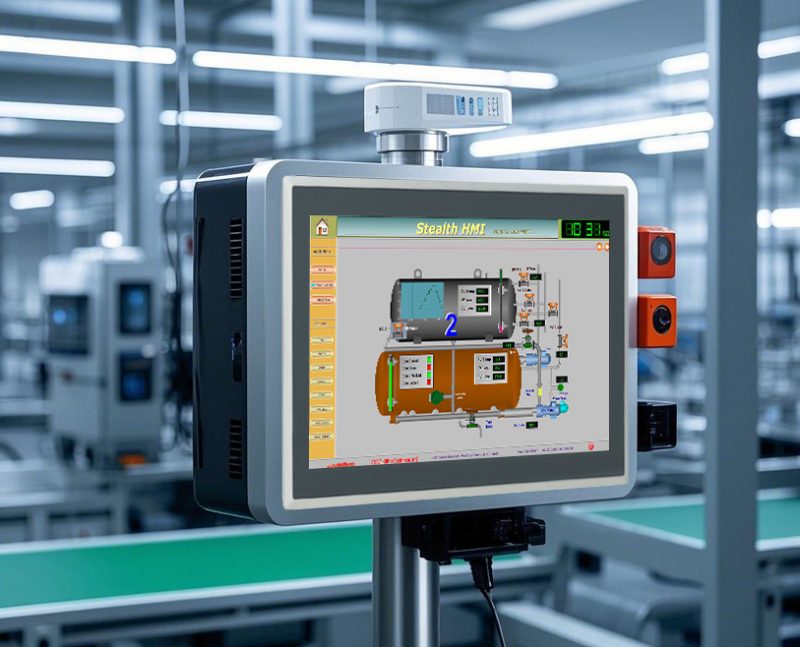
Radyasyona dayanıklı malzemelerle üretilmiştir, Nükleer endüstri standartlarına sıkı uyum, ve sağlam yapı, bu HMI ekranları, en zorlu nükleer santral bölgelerinde bile yardımcı sistemlerin kesintisiz izlenmesini ve kontrol edilmesini sağlar. Pompalardan gelen verileri merkezileştiriyorlar, vanalar, sensörler, ve yedekleme sistemleri, Operatörlerin hızlı çalışmasına olanak tanıyor, Yardımcı sistem bütünlüğünü korumak için bilinçli kararlar. Muhafaza yardımcı odalarında konuşlandırılıp dağıtılmadığı, türbin salonları, veya acil durum soğutma tesisleri, Bu Dayanıklı Endüstriyel HMI Ekranları güvenliğin omurgasıdır, verimli nükleer yardımcı operasyonlar. Bu makale temel özelliklerini ayrıntılı olarak açıklamaktadır, faydalar, uygulamalar, ve nükleer yardımcı kontrolde nasıl devrim yarattıklarını gösteren SSS'ler.
Nükleer Yardımcılar için Dayanıklı Endüstriyel HMI Ekranlarının Temel Özellikleri
1. Nükleer Ortamlar için Radyasyona Dayanıklı Tasarım
Radyasyona maruz kalma, nükleer santrallerdeki HMI performansına yönelik en büyük tehdittir ve bu ekranlar buna dayanacak şekilde üretilmiştir:
Gama radyasyonu toleransı: kadar dayanacak şekilde derecelendirilmiştir 100 kgy (kilo gri) gama radyasyonu, Sınıf 1E nükleer yardımcı bölgelerine uygun.
Radyasyonla sertleştirilmiş bileşenler: Gösterimler, dokunmatik sensörler, ve devre kartlarında bozulmayı veya arızayı önlemek için radyasyona dayanıklı malzemeler kullanılır.
Yaşlanma karşıtı kaplamalar: Özel yüzey işlemleri, uzun süreli radyasyona maruz kalma nedeniyle sararmaya ve kırılganlığa karşı dayanıklıdır.
Mühürlü muhafazalar: Hermetik olarak kapatılmış muhafazalar radyoaktif toz veya parçacıkların içeri girmesini ve dahili bileşenlere zarar vermesini önler.
Bu radyasyon direnci, HMI ekranlarının tam işlevselliğini korumasını sağlar. 10+ nükleer yardımcı ortamlarda yıllar.
2. Nükleer Endüstri Standartlarına Sıkı Uyum
Nükleer tesisler sıkı düzenleyici gerekliliklerle karşı karşıyadır ve bu ekranlar bu gereksinimleri karşılar veya aşar:
Sınıf 1E sertifikası: IEEE ile uyumludur 387, IEEE 1219, and IEC 61508 nükleer santrallerdeki güvenlikle ilgili elektrikli ekipmanlara ilişkin standartlar.
NRC, EPRI, ve UAEK uyumluluğu: Tasarıma yönelik küresel nükleer düzenleyici kurumların yönergelerini karşılar, performans, ve dokümantasyon.
Çevre yeterliliği (EQ) test: Aşırı sıcaklığı geçer, nem, titreşim, ve kaza sonrası koşullarda güvenilirliği kanıtlamak için şok testleri.
Denetime hazır belgeler: Tam izlenebilirlik raporları sağlar, malzeme sertifikaları, ve düzenleyici denetimler için uyumluluk günlükleri.
Bu uyumluluk, düzenleyici riskleri ortadan kaldırır ve nükleer yardımcı sistemlere kusursuz entegrasyon sağlar.
3. Sağlam, Olağanüstü Ortam Dayanıklılığı
Nükleer yardımcı bölgeler zorludur ve bu perdeler dayanıklı olacak şekilde tasarlanmıştır:
Geniş sıcaklık aralığı: -40°C'den 85°C'ye kadar güvenilir şekilde çalışın (-40°F ila 185°F), dondurucu yardımcı soğutma odalarının ve yüksek ısı türbin salonlarının takılması.
IP68 tozu & suya dayanıklılık: Tamamen suya daldırılabilir (kadar 1.5 için metre 30 dakika) ve toz geçirmez, sele eğilimli yardımcı alanlar için ideal.
Şok & titreşim direnci: 10G şoka ve 5G sürekli titreşime dayanıklıdır (MIL-STD-810'a göre) pompa operasyonlarından ve ekipmanın başlatılmasından.
Korozyon direnci: Paslanmaz çelik çerçeveler ve kimyasallara dayanıklı kaplamalar, soğutma sıvısı dökülmelerine karşı koruma sağlar, yağlayıcılar, ve sert temizlik maddeleri.
Bu dayanıklılık garanti eder 24/7 operasyon, en aşırı nükleer yardımcı ortamlarda bile.
4. Gerçek Zamanlı Yardımcı Sistem İzleme & Kontrol
Bu ekranlar hassas sonuçlar sunar, Yardımcı sistem yönetimi için uygulanabilir veriler:
Temel metrik takibi: Pompa basıncını izleyin, valf konumu, soğutma sıvısı akış hızı, sıcaklık, ve gerçek zamanlı güç tüketimi.
Renk kodlu alarm sistemi: Kritik sorunlar için görsel/sesli uyarılar (örneğin, “Soğutma Sıvısı Akışında Düşüş,” “Pompa Aşırı Isınıyor,” “Vana Arızası”) öncelik sıralaması ile.
Tek dokunuşla kontrol fonksiyonları: Vanaları çalıştırın, pompaları başlat/durdur, ve yedekleme sistemlerini tek dokunuşla etkinleştirin, acil durumlarda müdahale süresinin azaltılması.
Geçmiş veri kaydı: Mağaza 5+ Trend analizi için yıllık yardımcı sistem verileri, bakım planlaması, ve uyumluluk raporlaması.
Bu kontrol seviyesi, operatörlerin sorunları yardımcı sistem performansını veya reaktör güvenliğini etkilemeden önce çözebilmesini sağlar.
5. Nükleer Yardımcı Sistemlerle Sorunsuz Entegrasyon
Operasyonel kesintileri önlemek için mevcut altyapınıza bağlanırlar:
Yardımcı ekipmanlarla uyumluluk: Pompalarla çalışır, vanalar, sensörler, Önde gelen nükleer tedarikçilerin kontrol sistemleri ve kontrol sistemleri (Westinghouse, Areva, GE Hitachi).
SCADA/ICS entegrasyonu: Tesis çapında denetleyici kontrol ve veri toplama ile senkronizasyon (SCADA) sistemleri ve endüstriyel kontrol sistemleri (ICS) uçtan uca görünürlük için.
Güvenlikle ilgili iletişim protokolleri: IEC'yi destekleyin 61850, Modbus TCP (güvenlik dereceli), ve güvenlik için Ethernet/IP, kritik bölgelerde istikrarlı veri aktarımı.
Yedek güç & iletişim: Çift güç kaynakları ve yedek ağ bağlantıları, bir sistemin arızalanması durumunda sürekli çalışmayı sağlar.
Nükleer Santral Operatörleri için Temel Faydalar
1. Güvenliği Artırın & Kaza Risklerini Azaltın
Nükleer santrallerde güvenlik en önemli önceliktir ve bu HMI ekranları bunu güçlendirir:
Yardımcı sistem arızalarını önleyin: Gerçek zamanlı izleme ve radyasyona dayanıklı tasarım, kritik destek sistemlerinde HMI kaynaklı kesinti riskini azaltır.
Acil müdahaleyi hızlandırın: Tek dokunuşla kontroller ve net alarmlar, operatörlerin yedekleme sistemlerini etkinleştirmesine olanak tanır (örneğin, acil soğutma) saniyeler içinde.
Güvenlik protokollerine uygunluğu sağlayın: Yerleşik güvenlik kilitleri, kritik yardımcı ekipmanların izinsiz çalıştırılmasını önler.
Teknisyenin maruziyetini azaltın: Uzaktan izleme ve kontrol, personelin yardımcı sistemleri güvenli alanlardan yönetmesine olanak tanır, yüksek radyasyonlu bölgelerde süreyi en aza indirmek.
2. Operasyonel Güvenilirliği Artırın & Kesinti Süresini Azaltın
Nükleer yardımcı maddelerde planlanmamış kesintiler maliyetlidir ve bu ekranlar bu durumu ortadan kaldırır:
99.99% çalışma süresi garantisi: Radyasyona dayanıklı ve sağlam bileşenler sürekli HMI performansı sağlar, zorlu koşullarda bile.
Planlanmamış kesintileri azaltın 50%: Yardımcı sistemlerde erken arıza tespiti, operatörlerin arızalar meydana gelmeden önce bakımı planlamasını sağlar.
Ekipman ömrünü uzatın: Pompaların optimize edilmiş kontrolü, vanalar, ve soğutma sistemleri aşınmayı azaltır, operasyonel ömürlerini uzatmak.
Bakım maliyetlerini en aza indirin: Dayanıklı tasarım ve kendi kendine teşhis araçları, sık onarım veya değiştirme ihtiyacını azaltır.
3. Uyumluluğu Basitleştirin & Düzenleyici Raporlama
Nükleer mevzuata uygunluk karmaşıktır ve bu ekranlar bunu kolaylaştırmaktadır:
Otomatik uyumluluk günlükleri: Yardımcı sistem performansı için denetime hazır raporlar oluşturun, operator actions, ve ekipman durumu.
Tam izlenebilirlik: Düzenleyici denetimler için HMI ile ilgili tüm değişiklikleri ve bakım faaliyetlerini takip edin.
EQ testini basitleştirin: Ön yeterliliğe sahip tasarımlar, yeni kurulumlar için çevresel yeterlilik testinin süresini ve maliyetini azaltır.
Standartlarla güncel kalın: Düzenli ürün yazılımı güncellemeleri, gelişen nükleer düzenlemelere sürekli uyum sağlar.
4. Yardımcı Sistem Verimliliğini Optimize Edin
Verimli yardımcı işlemler maliyetleri azaltır ve tesis performansını artırır:
Enerji kullanımını optimize edin: Yardımcı sistemlerde güç tüketimini azaltmak için pompa ve fan hızlarını izleyin ve ayarlayın.
Soğutma sıvısı atıklarını en aza indirin: Soğutma döngülerindeki hassas akış hızı kontrolü, su kaybını ve arıtma maliyetlerini azaltır.
Bakım planlamasını iyileştirin: Ekipman aşınmasına ilişkin tahmine dayalı uyarılar, operatörlerin planlı kesintiler sırasında bakımı planlamasını sağlar, planlanmamış kesinti sürelerinin önlenmesi.
Kontrolü merkezileştirin: Birden fazla yardımcı sistemi tek bir HMI ekranından yönetin, Operatörün iş yükünü azaltmak ve verimliliği artırmak.
Farklı Nükleer Yardımcı Bölgeler İçin Pratik Uygulamalar
1. Muhafaza Yardımcı Odaları
Reaktör muhafazasının içindeki yardımcı sistemler için (örneğin, acil soğutma, basınç tahliyesi):
Muhafaza püskürtme sistemlerini ve acil durum soğutma sıvısı pompalarını izleyin ve kontrol edin.
Aşırı basıncı önlemek için muhafazadaki basıncı ve sıcaklığı izleyin.
Teknisyenin yüksek radyasyon muhafaza bölgelerine girmesini önlemek için yedekleme sistemlerini uzaktan etkinleştirin.
2. Türbin Salonu Yardımcı Ekipmanları
Türbin operasyonlarını destekleyen yardımcı sistemler için (örneğin, yağlama, soğutma, yoğuşma pompaları):
Türbin hasarını önlemek için yağlama yağı basıncını ve sıcaklığını izleyin.
Türbin verimliliğini optimize etmek için yoğuşma pompalarını ve soğutma suyu akışını kontrol edin.
Kusursuz yardımcı türbin koordinasyonu için türbin kontrol sistemleriyle senkronizasyon.
3. Acil Dizel Jeneratör Odaları
Yedek güç yardımcı sistemleri için (örneğin, dizel jeneratörler, yakıt sistemleri, soğutma):
Jeneratör durumunu izleyin, yakıt seviyeleri, ve soğutma sistemi performansı.
Şebeke kesintileri sırasında acil durum jeneratörlerini tek dokunuşla etkinleştirin.
Gerektiğinde hazır olduklarından emin olmak için jeneratörlerin bakım programlarını takip edin.
4. Kullanılmış Yakıt Havuzu Yardımcıları
Kullanılmış yakıt havuzu güvenliğini koruyan yardımcı sistemler için (örneğin, soğutma pompaları, su sirkülasyonu):
Havuz sıcaklığını izleyin, su seviyesi, ve gerçek zamanlı sirkülasyon akış hızı.
Kullanılmış yakıt çubuklarının aşırı ısınmasını önlemek için soğutma pompalarını kontrol edin.
Yakıt çubuğunun hasar görmesini önlemek için düşük su seviyeleri veya azalan akış için alarmları tetikleyin.
Nükleer Yardımcılar için Dayanıklı Endüstriyel HMI Ekranları Hakkında SSS
1. Çeyrek: Bu HMI ekranları mevcut nükleer yardımcı ekipmanımızla uyumlu mu??
A1: Evet! Önde gelen tüm yardımcı sistem markalarıyla uyumludur. (Westinghouse, Areva, GE Hitachi) ve standart nükleer iletişim protokollerini destekleyin (IEC 61850, Modbus TCP güvenlik derecelendirmesi). Ekibimiz sorunsuz entegrasyon sağlamak için kurulum sırasında uyumluluğu doğrular.
2. Çeyrek: Bu ekranlar hangi düzeyde radyasyona dayanabilir??
A2: kadar dayanacak şekilde derecelendirilmişlerdir. 100 kGy gama radyasyonu, Sınıf 1E nükleer yardımcı bölgelerinin gerekliliklerini karşılayan. Tüm bileşenler zamanla bozulmayı önlemek için radyasyonla sertleştirilmiştir.
3. Çeyrek: Ekranlar küresel nükleer düzenleme standartlarını karşılıyor mu??
A3: Kesinlikle. IEEE'ye uygundurlar 387, IEEE 1219, IEC 61508, NRC, EPRI, ve UAEK standartları. Ayrıca tam çevresel yeterliliğe sahipler (EQ) Düzenleyici denetimler için test belgeleri.
4. Çeyrek: Operatörler yardımcı sistemleri bu HMI ekranlarından uzaktan kontrol edebilir mi??
A4: Evet. Ekranlar, güvenli bir şekilde uzaktan izleme ve kontrolü destekler, yedek ağlar. Operatörler yardımcı sistemleri güvenli alanlardan yönetebilir, yüksek radyasyon bölgelerine maruz kalmanın azaltılması.
S5: Nükleer yardımcı maddeler için Dayanıklı Endüstriyel HMI Ekranları hangi garantiyle birlikte gelir??
A5: Tüm modeller donanım kusurlarını kapsayan 5 yıllık garantiye sahiptir, radyasyon direnci, ve uyumluluk sorunları. Kritik yardımcı uygulamalar için 10 yıllık uzatılmış garantiler mevcuttur, ile 24/7 teknik destek ve yerinde onarım hizmetleri.
Çözüm
Nükleer Yardımcılar için Dayanıklı Endüstriyel HMI Ekranları, güvenliğe öncelik veren nükleer santraller için kritik bir yatırımdır, güvenilirlik, ve uyumluluk. Radyasyona dayanıklı tasarımları, sıkı mevzuat uyumu, ve sağlam yapıları, onları muhafaza odalarından acil durum jeneratör tesislerine kadar en zorlu nükleer yardımcı bölgeler için ideal hale getiriyor. Yardımcı sistem izleme ve kontrolünü merkezileştirerek, bu ekranlar kesinti süresini azaltır, güvenliği artırın, ve uyumluluğu basitleştirin, reaktör çekirdek fonksiyonlarını desteklemek için nükleer yardımcıların en yüksek performansta çalışmasını sağlamak.
Nükleer yardımcı sistemlerinizi güvenilir bir şekilde yükseltmeye hazır, Uyumlu Dayanıklı Endüstriyel HMI Ekranları? Nükleer endüstri teknolojisi uzmanlarımızla bağlantı kurmak için web sitemizdeki formu doldurun. Yardımcı sistem ihtiyaçlarınızı değerlendireceğiz, mevcut ekipmanınızla uyumluluğunu doğrulayın, güvenlik ve operasyonel gereksinimlerinizi karşılayan özelleştirilmiş bir çözüm öneriyoruz. Nükleer santralinizin güvenliğini ve verimliliğini güçlendirelim; bugün başlayın!