
Hệ thống bọc pallet là xương sống của nhà kho, trung tâm phân phối, và cơ sở sản xuất—hợp lý hóa quy trình cố định tải trọng để vận chuyển an toàn. Các hệ thống này dựa vào khả năng điều khiển chính xác để điều chỉnh độ căng của gói, tốc độ, và cách sử dụng phim, đảm bảo mọi pallet đều ổn định và được bảo vệ. Điều khiển thủ công truyền thống hoặc màn hình cơ bản làm chậm hoạt động, tăng lỗi, và yêu cầu đào tạo chuyên sâu cho người vận hành. Máy bọc pallet chuyên dụng Màn hình cảm ứng thay đổi điều này bằng cách tập trung tất cả các điều khiển một cách trực quan, giao diện dễ sử dụng.
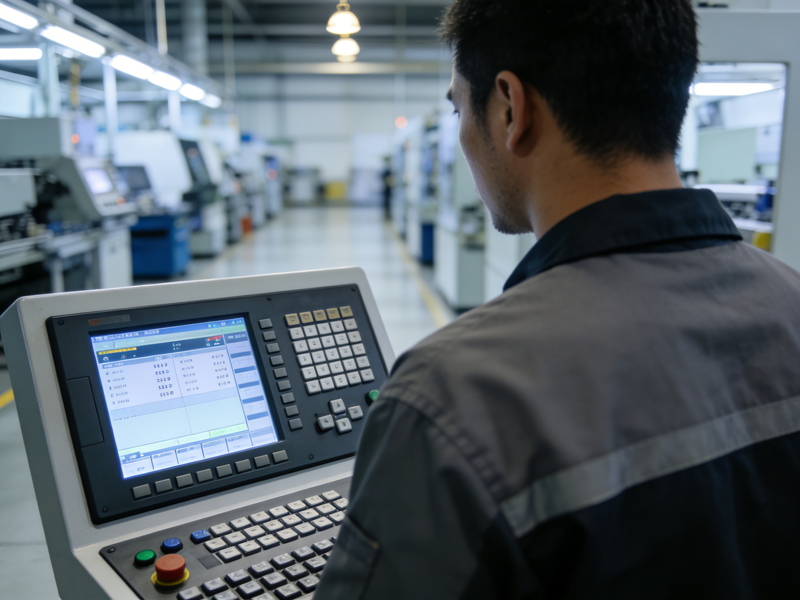
Không phải tất cả màn hình cảm ứng đều phù hợp với nhu cầu của hệ thống bọc pallet, mặc dù. Họ cần phải chịu được bụi kho, rung động, và tác động thường xuyên, đồng thời cung cấp khả năng kiểm soát liền mạch các thông số gói. Hướng dẫn này chia nhỏ các loại màn hình cảm ứng tốt nhất, những tính năng bắt buộc phải có, lợi ích thiết thực, và Câu hỏi thường gặp để giúp bạn chọn loại phù hợp hoàn hảo cho hệ thống bọc pallet của mình. Cho dù bạn vận hành máy đóng gói bàn xoay bán tự động, mô hình cánh tay quay, hoặc hệ thống di động, những hiểu biết này sẽ giúp bạn nâng cao hiệu quả, giảm chất thải, và đơn giản hóa các hoạt động.
Các loại màn hình cảm ứng hàng đầu cho hệ thống quấn pallet
Ba kiểu màn hình cảm ứng chính được thiết kế hoàn hảo cho nhu cầu riêng của hệ thống bọc pallet, mỗi loại được thiết kế để phù hợp với các loại trình bao bọc và thiết lập kho khác nhau.
1. Màn hình cảm ứng bọc pallet gắn bảng điều khiển
Màn hình cảm ứng gắn trên bảng điều khiển là lựa chọn phổ biến nhất cho hệ thống bọc pallet tích hợp, đặc biệt là các dòng máy bán tự động và tự động.
Họ cài đặt tuôn ra vào bảng điều khiển của trình bao bọc, tạo ra sự liền mạch, thiết lập không lộn xộn để bảo vệ màn hình khỏi bị hư hại.
gồ ghề của họ, thiết kế kín khối kho bụi, mảnh vụn, và độ ẩm nhỏ, đảm bảo hiệu suất đáng tin cậy trong môi trường công nghiệp khắc nghiệt.
Hầu hết đều có màn hình 7–10 inch—đủ lớn để hiển thị các thông số gói rõ ràng nhưng đủ nhỏ gọn để vừa với bảng điều khiển tiêu chuẩn.
Chúng đồng bộ hóa liền mạch với hệ thống nội bộ của trình bao bọc, cho phép người vận hành điều chỉnh độ căng, tốc độ, và quấn chu kỳ bằng một vài thao tác.
2. Màn hình cảm ứng chắc chắn di động
Màn hình cảm ứng di động lý tưởng cho máy đóng gói pallet di động hoặc di động, cũng như các nhà kho có trạm đóng gói linh hoạt.
Chúng có tính năng bền, thiết kế cầm tay hoặc để bàn có thể di chuyển giữa các bộ phận bọc hoặc khu vực làm việc khác nhau.
Cấu trúc chắc chắn chống rơi, rung động, và bụi, khiến chúng trở nên hoàn hảo cho những nhà kho bận rộn với lượng người qua lại liên tục.
Kết nối không dây cho phép chúng đồng bộ hóa với nhiều giấy gói pallet, loại bỏ sự cần thiết của các kết nối có dây.
Chúng nhẹ và dễ sử dụng, khiến chúng trở thành sự lựa chọn tuyệt vời cho các nhóm cần sự linh hoạt trong hoạt động gói hàng của mình.
3. Màn hình cảm ứng trang bị thêm khung mở
Màn hình cảm ứng khung mở được thiết kế để nâng cấp các hệ thống bọc pallet cũ sử dụng các điều khiển thủ công hoặc màn hình cơ bản đã lỗi thời.
Khung siêu hẹp của chúng phù hợp với các phần cắt ra của bảng điều khiển hiện có, giúp việc trang bị thêm trở nên nhanh chóng và dễ dàng—không cần sửa đổi lớn.
Chúng hỗ trợ nối dây và tích hợp đơn giản với các hệ thống bao bọc cũ hơn, thổi sức sống mới vào các thiết bị lỗi thời.
Các bộ phận cấp công nghiệp đảm bảo khả năng tương thích với động cơ và cảm biến bọc pallet, cung cấp khả năng kiểm soát đáng tin cậy.
Đây là giải pháp tiết kiệm chi phí cho những nhà kho muốn nâng cấp mà không cần thay thế toàn bộ hệ thống bọc pallet.
Các tính năng bắt buộc phải có của màn hình cảm ứng bọc pallet chất lượng
Để kiểm soát hiệu quả hệ thống bọc pallet, màn hình cảm ứng cần các tính năng cụ thể phù hợp với nhu cầu của hoạt động đóng gói—từ kiểm soát thông số chính xác đến độ bền.
1. Điều khiển tham số gói trực quan
Chức năng cốt lõi của Màn hình cảm ứng Bọc Pallet là đơn giản hóa việc kiểm soát các cài đặt gói chính.
Nó sẽ cho phép người vận hành điều chỉnh độ căng của màng, tốc độ bàn xoay, chiều cao bọc, và số chu kỳ quấn với các thanh trượt và nút dễ sử dụng.
Chế độ quấn được lập trình sẵn cho các loại tải thông thường (ví dụ., tải nặng, đồ dễ vỡ) cho phép người vận hành chuyển đổi cài đặt chỉ bằng một cú chạm, giảm sai sót.
Thông thoáng, giao diện dựa trên biểu tượng giúp người vận hành mới dễ dàng tìm hiểu, cắt giảm thời gian đào tạo.
2. Bụi, Rung, và khả năng chống va đập
Nhà kho là môi trường khắc nghiệt—màn hình cảm ứng bọc pallet phải chịu được sự hao mòn hàng ngày.
Hãy tìm cấp độ chống bụi và nước theo tiêu chuẩn IP65 hoặc cao hơn để chặn bụi trong kho, mảnh vụn, và sự cố tràn nhỏ.
Các bộ phận bên trong chắc chắn chống lại sự rung động từ động cơ của màng bọc pallet, ngăn chặn tình trạng lag hoặc tắt máy trong quá trình hoạt động.
Màn kính cường lực chống trầy xước và tác động vô tình từ xe nâng, pallet, hoặc kho dụng cụ.
3. Giám sát gói thời gian thực
Phản hồi theo thời gian thực giúp người vận hành đảm bảo tính nhất quán, gói chất lượng cao và xử lý vấn đề sớm.
Màn hình cảm ứng sẽ hiển thị dữ liệu trực tiếp: chu kỳ bọc hiện tại, cách sử dụng phim, mức độ căng thẳng, và bất kỳ cảnh báo lỗi nào.
Chỉ báo trực quan (màu xanh lá cây bình thường, màu vàng để cảnh báo, màu đỏ là lỗi) giúp bạn dễ dàng phát hiện vấn đề trong nháy mắt.
Điều này giúp giảm lãng phí màng và đảm bảo mọi pallet đều được bọc đúng cách, ngăn chặn thiệt hại tải trong quá trình vận chuyển.
4. Khả năng tương thích của bàn tay đeo găng
Người vận hành kho thường đeo găng tay khi xử lý pallet và vận hành thiết bị—màn hình cảm ứng của bạn phải hoạt động với chúng.
Màn hình phải được hiệu chỉnh để phát hiện các thao tác chạm từ ngón tay đeo găng, nên người vận hành không cần tháo găng tay để điều chỉnh cài đặt.
Điều này giúp người vận hành an toàn và hiệu quả, vì họ không lãng phí thời gian đeo và tháo găng tay giữa các nhiệm vụ.
5. Tích hợp hệ thống liền mạch
Màn hình cảm ứng màng bọc pallet chất lượng sẽ đồng bộ hóa liền mạch với hệ thống kho và màng bọc pallet hiện có của bạn.
Nó nên tích hợp với động cơ của máy bọc, cảm biến, và cơ chế cấp màng để đảm bảo kiểm soát chính xác.
Một số mô hình cung cấp khả năng kết nối với hệ thống quản lý kho (WMS), cho phép bạn theo dõi chu kỳ bọc và sử dụng phim cho mục đích kiểm kê.
Thiết kế plug-and-play giúp cài đặt dễ dàng, không có hệ thống dây điện hoặc sửa đổi hệ thống phức tạp.
6. Lưu trữ cài sẵn cho nhiều loại tải
Các kho hàng thường bao bọc các kích cỡ và loại tải khác nhau—việc lưu trữ đặt trước giúp đơn giản hóa quy trình này.
Màn hình cảm ứng sẽ cho phép bạn lưu nhiều cài đặt trước gói tùy chỉnh cho các trọng lượng tải khác nhau, kích thước, và mức độ mong manh.
Người vận hành có thể gọi lại các cài đặt trước chỉ bằng một cú chạm, loại bỏ nhu cầu điều chỉnh cài đặt theo cách thủ công cho mỗi pallet mới.
Điều này giúp tiết kiệm thời gian và đảm bảo tính nhất quán trên tất cả các pallet được bọc, giảm nguy cơ hư hỏng tải.
Màn hình cảm ứng màng bọc pallet cải thiện hoạt động kho hàng như thế nào
Việc chuyển sang Màn hình cảm ứng bọc pallet chuyên dụng mang lại lợi ích rõ ràng cho kho của bạn, từ hoạt động nhanh hơn đến giảm chất thải.
1. Chu kỳ gói nhanh hơn và tăng năng suất
Điều khiển thủ công yêu cầu người vận hành điều chỉnh nhiều mặt số và nút, làm chậm chu kỳ gói.
Màn hình cảm ứng đơn giản hóa việc điều khiển, cho phép các toán tử đặt tham số và bắt đầu gói trong vài giây.
Các cài đặt trước được lập trình sẵn và điều chỉnh một chạm giúp giảm thời gian thiết lập giữa các pallet.
Điều này làm tăng số lượng pallet được bọc mỗi giờ, tăng năng suất kho tổng thể.
2. Giảm chất thải màng và chi phí thấp hơn
Các pallet được bọc quá mức hoặc chưa được bọc kín sẽ gây lãng phí màng và tăng chi phí—màn hình cảm ứng ngăn chặn điều này.
Kiểm soát độ căng và chu kỳ chính xác đảm bảo sử dụng đúng lượng phim cho mỗi lần tải.
Theo dõi việc sử dụng phim theo thời gian thực cho phép bạn theo dõi mức tiêu thụ và xác định các khu vực cần tiết kiệm.
Nhiều màn hình cảm ứng tích hợp công nghệ tiết kiệm phim, giảm mức sử dụng phim từ 30–55% so với điều khiển thủ công.
3. Đào tạo đơn giản hóa cho người vận hành mới
Việc kiểm soát màng bọc pallet truyền thống rất phức tạp và cần được đào tạo chuyên sâu cho nhân viên mới.
Màn hình cảm ứng có tính năng trực quan, giao diện dựa trên biểu tượng dễ học—người vận hành mới có thể nắm vững các chức năng cơ bản trong vài phút.
Các hướng dẫn và chú giải công cụ tích hợp hướng dẫn người vận hành thông qua các cài đặt, giảm nhu cầu đào tạo từng người một.
Điều này giúp giảm chi phí đào tạo và đảm bảo hoạt động nhất quán trong nhóm của bạn.
4. Ít lỗi hơn và ổn định tải tốt hơn
Lỗi điều khiển thủ công (ví dụ., độ căng không đúng, sai số chu kỳ quấn) dẫn đến tải không ổn định và hư hỏng sản phẩm.
Màn hình cảm ứng loại bỏ phỏng đoán bằng điều khiển kỹ thuật số chính xác và phản hồi trực quan.
Cảnh báo lỗi thông báo cho người vận hành về các vấn đề (ví dụ., phim thấp, sức căng không đều) trước khi chúng ảnh hưởng đến tải.
Điều này làm giảm thiệt hại tải trong quá trình vận chuyển, tiết kiệm tiền mua sản phẩm thay thế và sửa chữa.
Câu hỏi thường gặp về màn hình cảm ứng màng bọc pallet
Q1: Màn hình cảm ứng Pallet Wrapper kích thước nào hoạt động tốt nhất cho hầu hết các hệ thống?
A1: 7–Màn hình 10 inch là loại linh hoạt nhất. Chúng đủ lớn để hiển thị các thông số gói một cách rõ ràng nhưng đủ nhỏ gọn để vừa với bảng điều khiển gói pallet tiêu chuẩn.
Q2: Tôi có thể trang bị thêm màng bọc pallet cũ bằng màn hình cảm ứng mới không?
A2: Đúng. Màn hình cảm ứng khung mở được thiết kế để trang bị thêm—chúng phù hợp với các phần cắt ra của bảng điều khiển hiện có và tích hợp với các hệ thống bao bọc cũ hơn với những sửa đổi tối thiểu.
Q3: Màn hình cảm ứng có hoạt động trong môi trường nhà kho bụi bặm không??
A3: Đúng. Màn hình cảm ứng bọc pallet chất lượng có xếp hạng chống bụi từ IP65 trở lên, ngăn chặn bụi và mảnh vụn trong kho làm hỏng các bộ phận bên trong.
Q4: Người vận hành có thể sử dụng màn hình cảm ứng với găng tay không?
A4: Đúng. Tất cả các màn hình cảm ứng bọc pallet đáng tin cậy đều được hiệu chỉnh để phát hiện các thao tác chạm từ ngón tay đeo găng, nên người vận hành không cần phải tháo găng tay để sử dụng.
Q5: Màn hình cảm ứng Pallet Wrapper kéo dài bao lâu?
A5: Với sự chăm sóc thích hợp, chúng kéo dài 3-5 năm. Thiết kế chắc chắn của chúng chống lại sự hao mòn khi sử dụng trong kho, đảm bảo độ tin cậy lâu dài.
Q6: Tôi có thể lưu cài đặt trước gói tùy chỉnh cho các loại tải khác nhau không?
A6: Đúng. Hầu hết các màn hình cảm ứng cho phép bạn lưu nhiều cài đặt trước cho các trọng lượng tải khác nhau, kích thước, và mức độ mong manh, mà bạn có thể gọi lại chỉ bằng một cú chạm.
Q7: Màn hình cảm ứng quấn pallet có cần cài đặt chuyên nghiệp không?
A7: KHÔNG. Hầu hết các model đều có thiết kế plug-and-play và lỗ lắp tiêu chuẩn. Đội bảo trì nội bộ của bạn có thể cài đặt chúng sau vài giờ.
Q8: Màn hình cảm ứng có tích hợp với hệ thống quản lý kho không (WMS)?
A8: Nhiều mô hình cung cấp tích hợp WMS, cho phép bạn theo dõi chu kỳ bọc, cách sử dụng phim, và dữ liệu năng suất trực tiếp từ phần mềm quản lý kho của bạn.
Phần kết luận
Màn hình cảm ứng quấn pallet là công cụ thay đổi cuộc chơi cho các nhà kho và trung tâm phân phối, đơn giản hóa hoạt động quấn pallet, giảm chất thải, và tăng năng suất. Cho dù bạn chọn giá treo bảng điều khiển, cầm tay, hoặc mô hình khung mở, màn hình cảm ứng bên phải sẽ tập trung điều khiển, hợp lý hóa việc đào tạo, và đảm bảo nhất quán, gói chất lượng cao cho mỗi lần tải.
Với các tính năng như điều khiển tham số trực quan, độ bền chắc chắn, và lưu trữ đặt trước, những màn hình cảm ứng này được thiết kế để đáp ứng nhu cầu của môi trường nhà kho bận rộn. Chúng không chỉ là một công cụ—chúng là sự đầu tư vào hiệu quả, tiết kiệm chi phí, và an toàn tải.
Nếu bạn đã sẵn sàng nâng cấp hệ thống bọc pallet của mình bằng Màn hình cảm ứng bọc pallet đáng tin cậy, nhóm của chúng tôi ở đây để giúp đỡ. Điền vào biểu mẫu trên trang web của chúng tôi để chia sẻ loại giấy gói pallet của bạn, nhu cầu kho bãi, và kích thước màn hình ưa thích. Chúng tôi sẽ cung cấp các đề xuất phù hợp, thông số kỹ thuật chi tiết, và sự hỗ trợ của chuyên gia để giúp bạn tìm thấy màn hình cảm ứng hoàn hảo cho hoạt động của mình. Hãy giúp việc gói pallet của bạn nhanh hơn, hiệu quả hơn, và tiết kiệm chi phí hơn—hãy bắt đầu ngay hôm nay!