Os sistemas de energia solar estão na vanguarda da energia sustentável, mas o controle ineficiente do equipamento pode prejudicar o desempenho. Mostradores tradicionais, dados desconectados, ou interfaces frágeis levam à perda de energia, manutenção atrasada, e oportunidades de otimização perdidas. Esses problemas reduzem a lucratividade da fazenda solar, prolongar o tempo de inatividade, e limitar todo o potencial de investimentos em energia renovável. As telas HMI industriais para controle de equipamentos solares resolvem esses desafios críticos.
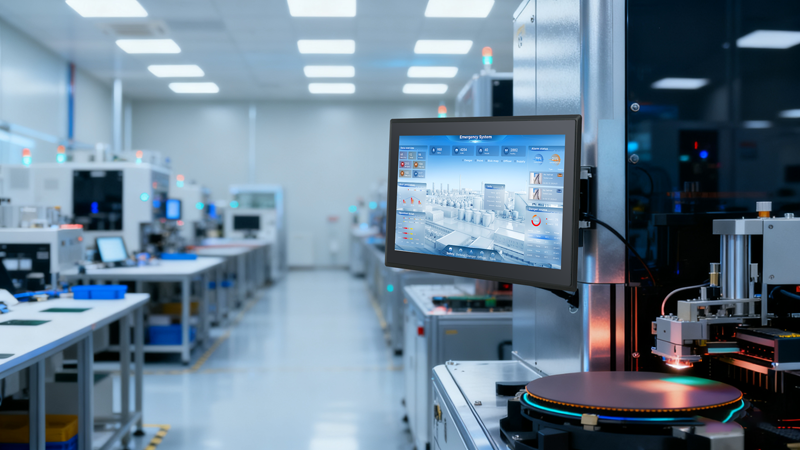
Projetadas especificamente para ambientes solares – desde painéis em telhados até fazendas em grande escala – essas telas centralizam o controle dos inversores, rastreadores, baterias, e sensores. Eles são construídos para resistir a condições climáticas extremas, Exposição UV, e operação constante, proporcionando desempenho confiável 24/7. Quer você gerencie um pequeno sistema comercial ou um grande parque solar, essas telas HMI industriais transformam equipamentos solares fragmentados em um sistema coordenado, rede eficiente. Este artigo detalha seus principais recursos, benefícios, aplicações, e perguntas frequentes para mostrar como eles revolucionam o gerenciamento de energia solar.
Principais recursos de telas HMI industriais para controle de equipamentos solares
1. Monitoramento de desempenho solar em tempo real & Controlar
A eficiência solar começa com a visibilidade – e essas telas fornecem insights acionáveis:
Rastreamento abrangente de dados: Monitore a irradiância solar, saída do inversor, níveis de armazenamento da bateria, e consumo de energia em tempo real.
Controle centralizado de equipamentos: Ajustar rastreadores solares (azimute/inclinação), configurações do inversor, e carregar/descarregar a bateria com um único toque.
Alertas de desempenho: Avisos visuais e sonoros para problemas como “Baixa Irradiância,” “Falha do inversor,”Ou “Sobrecarga da bateria” para evitar perda de energia.
Painéis personalizáveis: Adapte as visualizações de dados para priorizar KPIs (Por exemplo, “Produção diária de energia,”“Eficiência do sistema”) para operadores ou partes interessadas.
Este nível de controle garante que nenhuma energia seja desperdiçada e que os problemas sejam resolvidos antes que afetem o desempenho.
2. Resistente às intempéries & Design robusto de nível solar
Os ambientes solares são difíceis – e essas telas são construídas para resistir:
Resistência à poeira e água IP65/IP67: Recintos selados bloqueiam a chuva, pó, e detritos de parques solares ao ar livre ou instalações em telhados.
Tolerância UV e temperatura: Suportar luz solar direta (Classificação UV50+) e temperaturas extremas de -30°C a 70°C (-22°F a 158°F), adaptando-se a desertos ou climas frios.
Anti-reflexo, monitores de alto brilho: 1200+ brilho nit garante legibilidade sob luz solar direta, crítico para monitoramento externo.
Resistência a choques e vibrações: Estruturas reforçadas suportam vibrações do vento, impactos de granizo, e solavancos relacionados à manutenção.
3. Integração perfeita com sistemas solares & Programas
Eles se conectam à sua infraestrutura solar existente para evitar interrupções:
Compatibilidade com equipamentos solares: Funciona com inversores (SMA, Fronius, Huawei), rastreadores (Nextracker, Tecnologias de matriz), e BMS (Sistemas de gerenciamento de bateria).
Integração de software solar: Sincronize com plataformas de monitoramento (Monitoramento SolarEdge, Enfatizar Iluminar) e sistemas de gestão de energia (EMS) para visibilidade de ponta a ponta.
Vários protocolos de comunicação: Suporte Modbus TCP, Ethernet/IP, e MQTT para transferência estável de dados através de redes solares.
Conectividade em nuvem: Envie dados para servidores em nuvem para acesso remoto, análise histórica, e relatórios de desempenho.
4. Interface amigável & Gerenciamento Remoto
As operações solares precisam de soluções simples, ferramentas flexíveis – e essas telas oferecem:
Navegação intuitiva: Ícones grandes e rótulos claros reduzem o tempo de treinamento, mesmo para pessoal não técnico.
Compatibilidade com luvas: A sensibilidade aprimorada ao toque funciona com luvas de trabalho, para que as equipes de manutenção possam operar telas em campo.
Capacidades de acesso remoto: Monitore e controle equipamentos solares a partir de dispositivos externos (notebooks, comprimidos) por meio de conexões seguras na nuvem.
Funcionalidade off-line: Armazene dados localmente se a conectividade com a Internet cair, em seguida, sincronize automaticamente quando restaurado – fundamental para fazendas solares remotas.
Principais benefícios para sistemas de energia solar
1. Aumente a produção de energia & Eficiência do Sistema
Cada quilowatt-hora conta – e essas telas maximizam o potencial solar:
Aumentar o rendimento energético em 8–12%: Otimize o posicionamento do rastreador solar e as configurações do inversor com base em dados de irradiância em tempo real.
Reduza o desperdício de energia: Evitar sobrecarga/descarga de baterias e ajustar equipamentos para evitar modos de operação de baixa eficiência.
Minimize o tempo de inatividade: A detecção rápida de falhas reduz o tempo de resolução em 60%, garantindo que os sistemas funcionem com desempenho máximo por mais tempo.
Otimize o uso do armazenamento: Equilibre o carregamento da bateria com a demanda da rede para maximizar o autoconsumo e reduzir os custos dos serviços públicos.
2. Simplifique a manutenção & Reduzir custos
A manutenção solar é cara – essas telas simplificam a manutenção:
Alertas de manutenção preditiva: Identifique a degradação do equipamento (Por exemplo, “Queda na eficiência do inversor”) antes que ocorram falhas, reduzindo reparos de emergência.
Reduza o tempo de manutenção em 40%: Dados centralizados e diagnósticos remotos eliminam a necessidade de inspeções no local de cada componente.
Prolongue a vida útil do equipamento: Controles devidamente calibrados (Por exemplo, alinhamento do rastreador, gerenciamento de bateria) reduzir o desgaste de inversores e baterias.
Custos trabalhistas mais baixos: O gerenciamento remoto permite que as equipes monitorem vários locais solares a partir de um único local, reduzindo despesas de viagem.
3. Aumente a segurança & Conformidade
Os sistemas solares exigem padrões de segurança rigorosos – e essas telas apoiam a conformidade:
Recursos de segurança elétrica: As funções de bloqueio/sinalização evitam a ativação acidental do equipamento durante a manutenção.
Relatórios de conformidade: Gerar registros automaticamente para padrões regulatórios (Por exemplo, CEI 61215 para painéis solares, NEC 690 para fiação) para simplificar auditorias.
Proteção contra incêndio e superaquecimento: Alertas de “Superaquecimento do inversor” ou “Desgaste térmico da bateria” reduzem os riscos de segurança.
Controle de acesso: Restringir ajustes do sistema a usuários autorizados, garantindo segurança, operação compatível.
4. Melhore o ROI & Rentabilidade da Fazenda Solar
Essas telas proporcionam retornos financeiros mensuráveis:
Períodos de retorno mais rápidos: O aumento da produção de energia e a redução dos custos de manutenção reduzem os prazos de ROI em 1 a 2 anos.
Tomada de decisão baseada em dados: Os dados históricos de desempenho ajudam a identificar painéis ou matrizes com baixo desempenho para atualizações direcionadas.
Contas de serviços públicos reduzidas: Otimizar o autoconsumo de energia solar, reduzindo a dependência da energia da rede.
Relatórios transparentes das partes interessadas: Gere relatórios de desempenho automatizados para investidores, utilitários, ou incentivos governamentais.
Aplicações práticas para diferentes instalações solares
1. Fazendas solares em escala de serviços públicos
Para projetos solares de grande escala (10PM+):
Monitoramento multimatriz: Gerencie centenas de inversores, rastreadores, e baterias a partir de um único painel de sala de controle.
Ferramentas de integração de rede: Sincronize a produção de energia com a demanda da rede para evitar restrições e maximizar as tarifas feed-in.
Mapeamento de dados geográficos: Visualize o desempenho em diferentes zonas agrícolas para identificar variações de irradiância.
2. Comercial & Industrial (C&EU) Telhados solares
Para empresas, fábricas, ou armazéns:
Gerenciamento de carga: Equilibre a geração solar com o consumo de energia no local para reduzir as tarifas de pico de demanda.
Controle de armazenamento de bateria: Otimize a energia de backup para operações críticas durante interrupções na rede.
Integração de contas de serviços públicos: Acompanhe a economia solar em relação aos custos da rede para demonstrar o ROI para proprietários de empresas.
3. Sistemas Solares Residenciais (Desenvolvimentos em larga escala)
Para complexos habitacionais ou comunidades residenciais:
Monitoramento de sistema compartilhado: Gerencie um painel solar centralizado e distribua energia para várias residências.
Ferramentas de cobrança e alocação: Rastreie o uso de energia por domicílio para uma divisão justa de custos.
Manutenção simplificada: Identifique problemas com painéis ou inversores individuais sem interromper todo o sistema.
4. Instalações solares fora da rede
Para locais remotos (cabines, torres de telecomunicações, comunidades rurais):
Otimização do gerenciamento de bateria: Prolongue a vida útil da bateria evitando sobrecarga/descarga excessiva em sistemas isolados.
Operação de baixa potência: As telas consomem energia mínima, ideal para configurações fora da rede com armazenamento limitado.
Solução de problemas remota: Diagnosticar problemas à distância para reduzir visitas dispendiosas ao local.
Perguntas frequentes sobre telas IHM industriais para controle de equipamentos solares
Q1: Essas telas funcionarão com meus inversores e rastreadores solares existentes??
A1: Sim. Eles são compatíveis com todas as principais marcas de equipamentos solares (SMA, Fronius, Nextracker) e suporte a protocolos padrão para integração perfeita. Nossa equipe verifica a compatibilidade durante a configuração.
Q2: Quão duráveis são as telas para ambientes solares extremos (desertos, climas frios)?
A2: Eles são construídos para as condições mais adversas da energia solar – resistência às intempéries IP67, Proteção UV50+, e faixa de temperatura de -30°C a 70°C. A maioria dos modelos dura 10+ anos em instalações solares externas.
Q3: Posso monitorar e controlar o sistema remotamente?
A3: Absolutamente. A conectividade em nuvem permite acessar o painel HMI de qualquer dispositivo (computador portátil, telefone, comprimido) com internet, permitindo monitoramento e ajustes remotos de qualquer lugar.
4º trimestre: As telas requerem manutenção regular?
A4: É necessária uma manutenção mínima. O design vedado e os componentes robustos reduzem a manutenção – basta uma limpeza ocasional do vidro antirreflexo para remover poeira ou detritos. Ferramentas de autodiagnóstico alertam você sobre possíveis problemas.
Q5: Qual garantia vem com telas HMI industriais para uso solar?
A5: Todos os modelos incluem garantia de 5 anos cobrindo defeitos de hardware, danos climáticos, e capacidade de resposta ao toque. Garantias estendidas de 10 anos estão disponíveis para fazendas solares em grande escala, com 24/7 suporte técnico.
Conclusão
As telas IHM industriais são a espinha dorsal da eficiência, sistemas rentáveis de energia solar. Eles centralizam o controle, maximizar a produção de energia, e simplificar a manutenção – tudo isso ao mesmo tempo em que resiste às condições adversas de ambientes solares. Quer você gerencie uma fazenda em grande escala, telhado comercial, ou instalação fora da rede, essas telas transformam o equipamento solar em um dispositivo inteligente, rede coordenada que fornece mais energia e custos mais baixos.
Pronto para otimizar seu sistema solar com telas IHM industriais? Preencha o formulário em nosso site para se conectar com nossos especialistas em tecnologia de energia renovável. Avaliaremos sua configuração solar, verificar a compatibilidade do equipamento, e recomendar uma solução personalizada para aumentar sua produção de energia e ROI. Vamos desbloquear todo o potencial do seu investimento em energia solar – comece hoje!