
As usinas nucleares operam nos ambientes mais exigentes e de alto risco do planeta, onde a segurança, confiabilidade, e conformidade não são negociáveis. Auxiliares nucleares – sistemas como circuitos de resfriamento, estações de bombeamento, unidades de lubrificação, e sistemas de backup de emergência – são os heróis anônimos das operações da planta, mantendo o suporte crítico para as funções principais do reator. No entanto, as telas IHM padrão não conseguem atender aos desafios únicos dos ambientes nucleares: a exposição à radiação degrada componentes, temperaturas extremas causam mau funcionamento, e projetos não conformes correm o risco de violações regulatórias. Essas falhas podem levar a paralisações não planejadas, protocolos de segurança comprometidos, e atrasos dispendiosos nas operações do sistema auxiliar. As telas HMI industriais duráveis para auxiliares nucleares são projetadas para superar esses desafios críticos.
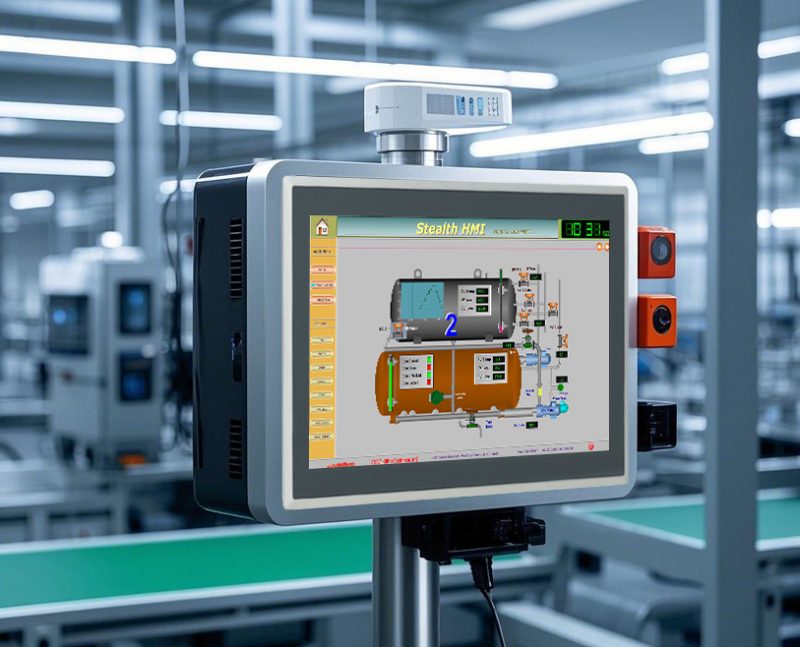
Construído com materiais resistentes à radiação, estrita conformidade com os padrões da indústria nuclear, e construção robusta, essas telas IHM oferecem monitoramento e controle ininterruptos de sistemas auxiliares, mesmo nas zonas mais adversas de usinas nucleares. Eles centralizam os dados das bombas, válvulas, sensores, e sistemas de backup, permitindo que os operadores agilizem, decisões informadas para manter a integridade do sistema auxiliar. Seja implantado em salas auxiliares de contenção, salas de turbinas, ou instalações de refrigeração de emergência, essas telas HMI industriais duráveis são a espinha dorsal da segurança, operações auxiliares nucleares eficientes. Este artigo detalha seus principais recursos, benefícios, aplicações, e perguntas frequentes para mostrar como eles revolucionam o controle auxiliar nuclear.
Principais recursos de telas IHM industriais duráveis para auxiliares nucleares
1. Projeto resistente à radiação para ambientes nucleares
A exposição à radiação é a maior ameaça ao desempenho da IHM em usinas nucleares – e essas telas são construídas para resistir a isso:
Tolerância à radiação gama: Classificado para suportar até 100 kGy (quilogray) da radiação gama, adequado para zonas auxiliares nucleares Classe 1E.
Componentes endurecidos por radiação: Exibições, sensores de toque, e placas de circuito usam materiais tolerantes à radiação para evitar degradação ou falha.
Revestimentos antienvelhecimento: Tratamentos de superfície especiais resistem ao amarelecimento e à fragilidade devido à exposição prolongada à radiação.
Gabinetes selados: Invólucros hermeticamente selados evitam que poeira ou partículas radioativas entrem e danifiquem os componentes internos.
Esta resistência à radiação garante que as telas da IHM mantenham funcionalidade total para 10+ anos em ambientes auxiliares nucleares.
2. Estrita conformidade com os padrões da indústria nuclear
As instalações nucleares enfrentam requisitos regulamentares rigorosos – e estes critérios cumprem-nos ou excedem-nos:
Certificação Classe 1E: Em conformidade com IEEE 387, IEEE 1219, e CEI 61508 normas para equipamentos elétricos relacionados à segurança em usinas nucleares.
NRC, EPRI, e conformidade com a AIEA: Atende às diretrizes dos órgãos reguladores nucleares globais para design, desempenho, e documentação.
Qualificação ambiental (equalização) testando: Passa temperaturas extremas, umidade, vibração, e testes de choque para comprovar a confiabilidade em condições pós-acidente.
Documentação pronta para auditoria: Fornece relatórios completos de rastreabilidade, certificados de materiais, e registros de conformidade para inspeções regulatórias.
Esta conformidade elimina riscos regulatórios e garante uma integração perfeita em sistemas auxiliares nucleares.
3. Áspero, Durabilidade em ambientes extremos
As zonas auxiliares nucleares são duras – e essas telas são projetadas para resistir:
Ampla faixa de temperatura: Opera de forma confiável de -40°C a 85°C (-40°F a 185°F), instalação de salas de resfriamento auxiliares de congelamento e salas de turbinas de alto calor.
Poeira IP68 & resistência à água: Totalmente submersível em água (até 1.5 metros para 30 minutos) e à prova de poeira, ideal para áreas auxiliares propensas a inundações.
Choque & resistência à vibração: Suporta choque 10G e vibração contínua 5G (por MIL-STD-810) desde as operações da bomba e inicialização do equipamento.
Resistência à corrosão: Estruturas de aço inoxidável e revestimentos resistentes a produtos químicos protegem contra derramamentos de líquido refrigerante, lubrificantes, e agentes de limpeza agressivos.
Essa durabilidade garante 24/7 operação, mesmo nos ambientes auxiliares nucleares mais extremos.
4. Monitoramento do Sistema Auxiliar em Tempo Real & Controlar
Essas telas fornecem informações precisas, dados acionáveis para gerenciamento auxiliar do sistema:
Acompanhamento de métricas principais: Monitore a pressão da bomba, posição da válvula, taxa de fluxo de refrigerante, temperatura, e consumo de energia em tempo real.
Sistema de alarme codificado por cores: Avisos visuais/áudio para problemas críticos (Por exemplo, “Queda de fluxo de refrigerante,”“ Superaquecimento da bomba,” “Mau funcionamento da válvula”) com classificação de prioridade.
Funções de controle com um toque: Operar válvulas, iniciar/parar bombas, e ativar sistemas de backup com um único toque, reduzindo o tempo de resposta em emergências.
Registro de dados históricos: Loja 5+ anos de dados auxiliares do sistema para análise de tendências, planejamento de manutenção, e relatórios de conformidade.
Este nível de controle garante que os operadores possam resolver os problemas antes que eles afetem o desempenho do sistema auxiliar ou a segurança do reator.
5. Integração perfeita com sistemas auxiliares nucleares
Eles se conectam à sua infraestrutura existente para evitar interrupções operacionais:
Compatibilidade com equipamentos auxiliares: Funciona com bombas, válvulas, sensores, e sistemas de controle dos principais fornecedores nucleares (Westing House, Areva, GE Hitachi).
Integração SCADA/ICS: Sincronize com controle de supervisão e aquisição de dados em toda a planta (SCADA) sistemas e sistemas de controle industrial (ICS) para visibilidade de ponta a ponta.
Protocolos de comunicação relacionados à segurança: Suporte IEC 61850, Modbus TCP (com classificação de segurança), e Ethernet/IP para segurança, transferência de dados estável em zonas críticas.
Energia redundante & comunicação: Fontes de alimentação duplas e conexões de rede redundantes garantem operação contínua em caso de falha de um sistema.
Principais benefícios para operadores de usinas nucleares
1. Aumente a segurança & Reduza os riscos de acidentes
A segurança é a principal prioridade nas usinas nucleares – e essas telas HMI a fortalecem:
Evite falhas do sistema auxiliar: O monitoramento em tempo real e o design resistente à radiação reduzem o risco de interrupções relacionadas à IHM em sistemas de suporte críticos.
Acelere a resposta a emergências: Controles de um toque e alarmes claros permitem que os operadores ativem sistemas de backup (Por exemplo, refrigeração de emergência) em segundos.
Garantir o cumprimento dos protocolos de segurança: Intertravamentos de segurança integrados evitam a operação não autorizada de equipamentos auxiliares críticos.
Reduza a exposição do técnico: O monitoramento e o controle remotos permitem que a equipe gerencie sistemas auxiliares em áreas seguras, minimizando o tempo em zonas de alta radiação.
2. Melhore a confiabilidade operacional & Reduza o tempo de inatividade
O tempo de inatividade não planejado em auxiliares nucleares é caro – e essas telas eliminam isso:
99.99% garantia de tempo de atividade: Componentes robustos e resistentes à radiação garantem desempenho contínuo da IHM, mesmo em condições adversas.
Reduzir interrupções não planejadas 50%: A detecção precoce de falhas em sistemas auxiliares permite que os operadores programem a manutenção antes que as falhas ocorram.
Prolongue a vida útil do equipamento: Controle otimizado de bombas, válvulas, e sistemas de refrigeração reduzem o desgaste, estendendo sua vida operacional.
Minimize os custos de manutenção: O design durável e as ferramentas de autodiagnóstico reduzem a necessidade de reparos ou substituições frequentes.
3. Simplifique a conformidade & Relatórios Regulatórios
A conformidade regulatória nuclear é complexa – e essas telas simplificam isso:
Registros de conformidade automatizados: Gere relatórios prontos para auditoria para desempenho do sistema auxiliar, ações do operador, e status do equipamento.
Rastreabilidade total: Rastreie todas as alterações e atividades de manutenção relacionadas à IHM para inspeções regulatórias.
Simplifique os testes de equalização: Projetos pré-qualificados reduzem o tempo e o custo dos testes de qualificação ambiental para novas instalações.
Mantenha-se atualizado com os padrões: Atualizações regulares de firmware garantem conformidade contínua com as regulamentações nucleares em evolução.
4. Otimize a eficiência do sistema auxiliar
Operações auxiliares eficientes reduzem custos e melhoram o desempenho da planta:
Otimize o uso de energia: Monitore e ajuste as velocidades da bomba e do ventilador para reduzir o consumo de energia em sistemas auxiliares.
Minimize o desperdício de refrigerante: O controle preciso da vazão em circuitos de resfriamento reduz a perda de água e os custos de tratamento.
Melhore o planejamento de manutenção: Alertas preditivos sobre desgaste de equipamentos permitem que os operadores programem a manutenção durante interrupções planejadas, evitando paralisações não planejadas.
Centralize o controle: Gerencie vários sistemas auxiliares a partir de uma tela IHM, reduzindo a carga de trabalho do operador e melhorando a eficiência.
Aplicações práticas para diferentes zonas auxiliares nucleares
1. Salas Auxiliares de Contenção
Para sistemas auxiliares dentro da contenção do reator (Por exemplo, refrigeração de emergência, alívio de pressão):
Monitore e controle sistemas de pulverização de contenção e bombas de refrigeração de emergência.
Monitore a pressão e a temperatura na contenção para evitar sobrepressurização.
Ative sistemas de backup remotamente para evitar a entrada de técnicos em zonas de contenção de alta radiação.
2. Auxiliares do Salão das Turbinas
Para sistemas auxiliares que suportam operações de turbinas (Por exemplo, lubrificação, resfriamento, bombas de condensado):
Monitore a pressão e a temperatura do óleo lubrificante para evitar danos à turbina.
Controle as bombas de condensado e o fluxo de água de resfriamento para otimizar a eficiência da turbina.
Sincronize com sistemas de controle de turbina para coordenação perfeita de turbinas auxiliares.
3. Salas de Geradores Diesel de Emergência
Para sistemas auxiliares de energia de reserva (Por exemplo, geradores a diesel, sistemas de combustível, resfriamento):
Monitore o status do gerador, níveis de combustível, e desempenho do sistema de refrigeração.
Ative geradores de emergência com um toque durante interrupções na rede.
Acompanhe os cronogramas de manutenção dos geradores para garantir que estejam prontos quando necessário.
4. Auxiliares de pool de combustível irradiado
Para sistemas auxiliares que mantêm a segurança do reservatório de combustível irradiado (Por exemplo, bombas de resfriamento, circulação de água):
Monitore a temperatura da piscina, nível de água, e taxa de fluxo de circulação em tempo real.
Controlar as bombas de resfriamento para evitar o superaquecimento das barras de combustível irradiado.
Acionar alarmes para níveis baixos de água ou fluxo reduzido para evitar danos às barras de combustível.
Perguntas frequentes sobre telas IHM industriais duráveis para auxiliares nucleares
Q1: Essas telas HMI são compatíveis com nossos equipamentos auxiliares nucleares existentes??
A1: Sim! Eles são compatíveis com todas as principais marcas de sistemas auxiliares (Westing House, Areva, GE Hitachi) e apoiar protocolos de comunicação nuclear padrão (CEI 61850, Classificação de segurança Modbus TCP). Nossa equipe verifica a compatibilidade durante a configuração para garantir uma integração perfeita.
Q2: Que nível de radiação essas telas podem suportar?
A2: Eles são classificados para suportar até 100 kGy de radiação gama, que atende aos requisitos para zonas auxiliares nucleares Classe 1E. Todos os componentes são endurecidos contra radiação para evitar degradação ao longo do tempo.
Q3: As telas atendem aos padrões regulatórios nucleares globais??
A3: Absolutamente. Eles estão em conformidade com IEEE 387, IEEE 1219, CEI 61508, NRC, EPRI, e padrões da AIEA. Eles também vêm com qualificação ambiental completa (equalização) documentação de teste para inspeções regulatórias.
4º trimestre: Os operadores podem controlar sistemas auxiliares remotamente a partir dessas telas IHM??
A4: Sim. As telas suportam monitoramento e controle remoto via segurança, redes redundantes. Os operadores podem gerenciar sistemas auxiliares de áreas seguras, reduzindo a exposição a zonas de alta radiação.
Q5: Qual garantia vem com telas HMI industriais duráveis para auxiliares nucleares?
A5: Todos os modelos incluem garantia de 5 anos cobrindo defeitos de hardware, resistência à radiação, e problemas de conformidade. Garantias estendidas de 10 anos estão disponíveis para aplicações auxiliares críticas, com 24/7 suporte técnico e serviços de reparo no local.
Conclusão
As telas HMI industriais duráveis para auxiliares nucleares são um investimento crítico para usinas nucleares que priorizam a segurança, confiabilidade, e conformidade. Seu design resistente à radiação, estrita conformidade regulatória, e a construção robusta os tornam ideais para as zonas auxiliares nucleares mais severas – desde salas de contenção até instalações de geradores de emergência. Centralizando o monitoramento e controle do sistema auxiliar, essas telas reduzem o tempo de inatividade, aumentar a segurança, e simplificar a conformidade, garantir que os auxiliares nucleares operem com desempenho máximo para apoiar as funções principais do reator.
Pronto para atualizar seus sistemas auxiliares nucleares com recursos confiáveis, telas HMI industriais duráveis compatíveis? Preencha o formulário em nosso site para entrar em contato com nossos especialistas em tecnologia da indústria nuclear. Avaliaremos as necessidades do seu sistema auxiliar, verifique a compatibilidade com seu equipamento existente, e recomendar uma solução personalizada que atenda aos seus requisitos operacionais e de segurança. Vamos fortalecer a segurança e a eficiência da sua usina nuclear – comece hoje!