
Batterijopslagsystemen vormen de ruggengraat van moderne energienetwerken, duurzame energie opslaan, het stabiliseren van het aanbod, en het ondersteunen van back-upoperaties. Toch beperken verouderde besturingsinterfaces vaak hun potentieel: onhandige knoppen, losgekoppelde gegevens, of kwetsbare beeldschermen leiden tot inefficiënte oplaadcycli, gemiste gridkansen, en kostbare stilstand. Deze gaten verhinderen dat operators de volledige waarde van hun batterij-investeringen kunnen benutten. Industriële aanraakpanelen voor batterijopslagsystemen lossen deze kritieke uitdagingen op.
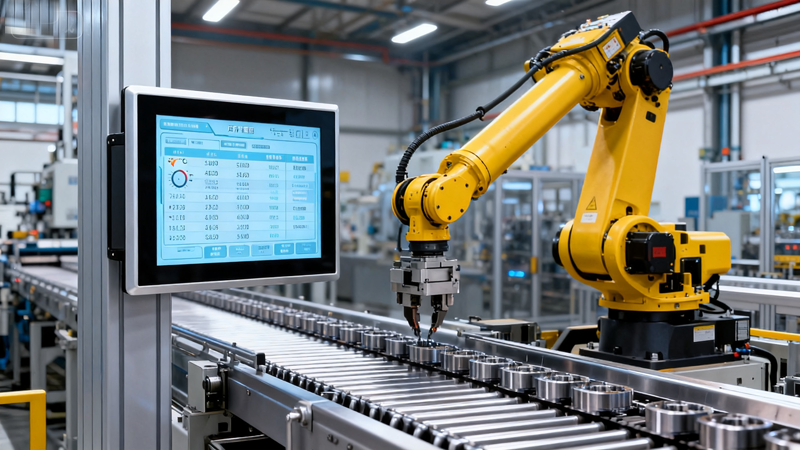
Ontworpen voor industriële omgevingen, deze panelen centraliseren de monitoring en controle van batterijbanken, omvormers, en netverbindingen via een intuïtieve aanraakinterface. Ze volgen de laadstatus, temperatuur, en energiestroom in realtime, waardoor nauwkeurige aanpassingen mogelijk zijn om de levensduur en efficiëntie van de batterij te maximaliseren. Of het nu wordt ingezet in opslagfaciliteiten op nutsschaal, commerciële back-upsystemen, of micronetwerken voor hernieuwbare energie, deze industriële aanraakpanelen maken van batterijopslag een slimme oplossing, responsieve aanwinst. In dit artikel worden hun kernfuncties opgesomd, voordelen, toepassingen, en veelgestelde vragen om te laten zien hoe ze een revolutie teweegbrengen in het beheer van batterijopslag.
Kernkenmerken van industriële aanraakpanelen voor batterijopslagsystemen
1. Realtime monitoring van batterijprestaties
Nauwkeurige gegevens zijn van cruciaal belang voor een optimale werking van de batterij, en deze panelen leveren deze gegevens:
Belangrijke metrische tracking: Controleer de laadstatus (SoC), gezondheidstoestand (DusH), spanning, huidig, en celtemperatuur in realtime.
Kleurgecodeerde waarschuwingen: Visuele waarschuwingen voor overladen, oververhitting, lage SoC, of celonbalans om schade aan de batterij te voorkomen.
Aanpasbare dashboards: Pas weergaven aan om prioriteit te geven aan statistieken voor operators, ingenieurs, of energiemanagers (bijv., “Netexportstatus,” “Levensduur van de batterij”).
Vernieuwingsfrequenties van gegevens: Update de statistieken elke 1 à 2 seconden om snelle veranderingen in de energiestroom of batterijconditie vast te leggen.
Dit niveau van zichtbaarheid zorgt ervoor dat operators problemen opmerken zodra ze zich voordoen, dure batterijstoringen te voorkomen.
2. Robuust ontwerp van industriële kwaliteit
Batterijopslagfaciliteiten zijn zwaar en deze panelen zijn gebouwd om lang mee te gaan:
IP65/IP67 stof- en waterbestendig: Afgedichte behuizingen houden stof tegen, koelvloeistof morst, en vochtigheid uit batterijruimten of buiteninstallaties.
Brede temperatuurtolerantie: Werk betrouwbaar van -20°C tot 60°C (-4°F tot 140 °F), het plaatsen van koudeopslagfaciliteiten of microgrids in de hete woestijn.
Schok- en trillingsbestendigheid: Versterkte frames zijn bestand tegen trillingen van omvormers en kleine schokken tijdens onderhoud.
EMI/RFI-afscherming: Blokkeer elektromagnetische interferentie van batterijladers en netwerkapparatuur om stabiele prestaties te garanderen.
Deze duurzaamheid garandeert 24/7 operatie, zelfs in de meest veeleisende industriële omgevingen.
3. Nauwkeurige batterijcontrole & Rasterintegratie
Deze panelen zetten gegevens om in actie om het energieverbruik te optimaliseren:
Opladen/ontladen controle: Pas de laadtarieven aan zodat ze aansluiten op het aanbod van hernieuwbare energie (bijv., piekproductie van zonne-energie) of netvraag.
Rastersynchronisatie: Synchroniseer de accu-uitvoer met de netfrequentie en -spanning om de netstabiliteit te ondersteunen en inperking te voorkomen.
Automatisering van piekscheren: Ontlaad batterijen automatisch tijdens piekuren om de energiekosten voor commerciële gebruikers te verlagen.
Activering van back-upstroom: Activeer onmiddellijk een batterijback-up wanneer de netstroom uitvalt, het garanderen van een ononderbroken werking van kritieke faciliteiten.
Deze precisiecontrole maximaliseert de economische waarde van batterijopslagsystemen.
4. Naadloze integratie met batterij & Energiesystemen
Ze maken verbinding met uw bestaande infrastructuur om verstoringen van de workflow te voorkomen:
Compatibiliteit van de batterij: Werkt met lithium-ion, loodzuur, en flowbatterijsystemen van toonaangevende merken (Tesla Megapack, Katl, DOORD).
Omvormer & EMS-integratie: Synchroniseren met omvormers voor zonne-energie, energiebeheersystemen (EMS), en SCADA-platforms voor end-to-end zichtbaarheid.
Meerdere communicatieprotocollen: Ondersteuning Modbus TCP, Ethernet/IP, MQTT, en CAN-bus voor stabiele gegevensoverdracht tussen systemen.
Cloud-connectiviteit: Push gegevens naar cloudplatforms voor monitoring op afstand, historische analyse, en vlootbreed beheer.
5. Gebruiksvriendelijke interface & Toegang op afstand
Industriële teams hebben behoefte aan eenvoud, flexibele tools – en deze panelen leveren dat:
Compatibiliteit met handschoenen: Verbeterde aanraakgevoeligheid werkt met werkhandschoenen, zodat operators geen persoonlijke beschermingsmiddelen verwijderen in batterijruimten.
Intuïtieve navigatie: Grote pictogrammen en stapsgewijze menu's verkorten de trainingstijd, zelfs voor niet-technisch personeel.
Mogelijkheden voor afstandsbediening: Bewaak en pas de batterij-instellingen aan vanaf externe controlecentra of mobiele apparaten via beveiligde verbindingen.
Meertalige ondersteuning: Engels aanbieden, Spaans, Duits, en Chinees om tegemoet te komen aan mondiale industriële teams.
Belangrijkste voordelen voor exploitanten van batterijopslag
1. Maximaliseer de levensduur van de batterij & Verlaag de vervangingskosten
Degradatie van de batterij is kostbaar, en deze panelen vertragen dit:
Verleng de levensduur van de batterij met 15-25%: Nauwkeurige bedieningselementen voor opladen/ontladen voorkomen overladen en diep ontladen, de belangrijkste oorzaken van degradatie.
Identificeer vroegtijdig celonevenwicht: Dankzij waarschuwingen voor celspanningsverschillen kunnen operators problemen aanpakken voordat deze de hele accubank beschadigen.
Optimaliseer het temperatuurbeheer: Bewaak de celtemperaturen om oververhitting te voorkomen en uniforme prestaties over de hele oever te garanderen.
Verminder de vervangingsfrequentie: Een langere levensduur van de batterij vermindert de noodzaak van dure batterijwissels, het verlagen van de operationele kosten op de lange termijn.
2. Verhoog de energie-efficiëntie & Rasterwaarde
Deze panelen maken van batterijopslag een winstgenererend bezit:
Vergroot het gebruik van hernieuwbare energie: Bewaar overtollige zonne-/windenergie voor later gebruik, het verminderen van de afhankelijkheid van fossiele brandstoffen.
Verlaag de piekvraagtarieven: Automatiseer peak shaving om dure energietoeslagen te voorkomen, waarmee commerciële gebruikers 20 tot 30% op de energierekening kunnen besparen.
Ondersteuning van netwerkdiensten: Neem deel aan frequentieregulering of vraagresponsprogramma's om extra inkomsten te verdienen bij netbeheerders.
Minimaliseer energieverspilling: Optimaliseer laadcycli zodat deze aansluiten bij de goedkope energieperiodes van het elektriciteitsnet, het verlagen van de totale elektriciteitskosten.
3. Vereenvoudig het onderhoud & Verbeter de veiligheid
Over de veiligheid van batterijopslag valt niet te onderhandelen – en deze panelen ondersteunen dit:
Voorspellende onderhoudswaarschuwingen: Identificeer trends in batterijdegradatie om onderhoud te plannen voordat er storingen optreden.
Diagnose op afstand: Problemen oplossen vanaf externe locaties, waardoor de noodzaak voor bezoeken ter plaatse aan gevaarlijke batterijruimten wordt verminderd.
Integratie van veiligheidsprotocollen: Schakel ventilatie- of koelsystemen automatisch in als de batterijtemperatuur boven veilige niveaus stijgt.
Toegangscontrole: Beperk gevoelige bewerkingen (bijv., handmatige ontlading) aan geautoriseerde gebruikers, zorgen voor een conforme en veilige werking.
4. Verbeter de operationele zichtbaarheid & Besluitvorming
Datagedreven inzichten leiden tot slimmer energiebeheer:
Historische prestatieanalyse: Volg de SoH- en energiestroom van de batterij in de loop van de tijd om efficiëntiepatronen te identificeren.
Aangepaste rapportagetools: Genereer rapporten voor energiekosten, inkomsten uit netwerkexport, en batterijstatus om te delen met belanghebbenden.
Scenarioplanning: Gebruik historische gegevens om de batterijprestaties te modelleren onder verschillende omstandigheden op het elektriciteitsnet of op het gebied van hernieuwbare energie.
Vlootbreed beheer: Bewaak meerdere batterijopslaglocaties vanaf één dashboard, ideaal voor exploitanten op nutsschaal.
Praktische toepassingen voor verschillende instellingen voor batterijopslag
1. Utility-schaal batterijopslagfaciliteiten
Voor grootschalige netgekoppelde opslagsystemen:
Vlootbewaking: Volg honderden batterijmodules vanaf een centraal dashboard met aanraakpaneel.
Ondersteuning van netstabiliteit: Pas het batterijvermogen aan om de netfrequentie en -spanning te behouden tijdens piekvraag of uitval.
Optimalisatie van de omzet: Neem deel aan de groothandelsmarkten voor energie en netwerkdiensten om de winstgevendheid te maximaliseren.
2. Commercieel & Industrieel (C&I) Back-upsystemen
Voor fabrieken, datacentra, en winkelvoorzieningen:
Controle van back-upstroom: Activeer batterijback-up onmiddellijk tijdens stroomuitval om kritieke activiteiten te beschermen.
Automatisering van piekscheren: Verminder de piekbelastingen door de batterijen te ontladen tijdens perioden met hoge energiekosten.
Eigen verbruik van zonne-energie: Bewaar overtollige zonne-energie op het dak voor gebruik tijdens de avonduren, vermindering van de afhankelijkheid van elektriciteit uit het elektriciteitsnet.
3. Microgrids voor hernieuwbare energie
Voor off-grid zonne-/windsystemen (afgelegen gemeenschappen, mijnsites):
Load-balancering: Pas het opladen/ontladen van de batterij aan zodat deze aansluit bij het aanbod van hernieuwbare energie en de lokale vraag.
Off-grid betrouwbaarheid: Zorg voor consistente stroomvoorziening voor afgelegen faciliteiten die geen toegang tot het elektriciteitsnet hebben.
Hybride systeembesturing: Beheer geïntegreerde zonne-energie, wind, en batterijsystemen vanuit één enkele interface.
4. Residentieel & Batterijopslag met meerdere eenheden
Voor grote appartementencomplexen of woongemeenschappen:
Gecentraliseerd batterijbeheer: Monitor gedeelde batterijbanken om gemeenschapsprogramma's voor zonne-energie te ondersteunen.
Distributie van back-upstroom: Wijs batterijvermogen toe aan kritieke gebieden (bijv., trappenhuis verlichting, beveiligingssystemen) tijdens storingen.
Toewijzing van kosten: Houd het energieverbruik per eenheid bij om bewoners eerlijk te factureren voor toegang tot batterijopslag.
Veelgestelde vragen over industriële aanraakpanelen voor batterijopslagsystemen
Q1: Werkt het industriële aanraakpaneel met mijn bestaande batterijtype? (lithium-ion, loodzuur, enz.)?
A1: Ja. Het is compatibel met alle belangrijke batterijchemie, inclusief lithium-ion, loodzuur, stroom, en nikkelgebaseerde batterijen. Ons team verifieert de compatibiliteit tijdens de installatie om een naadloze integratie te garanderen.
Vraag 2: Hoe duurzaam is het paneel voor batterijruimteomgevingen??
A2: Hij is gebouwd voor industriële batterij-instellingen: IP67 water-/stofbestendigheid, brede temperatuurtolerantie, en EMI-afscherming. De meeste modellen gaan bij dagelijks gebruik 8 tot 10 jaar mee met minimaal onderhoud.
Q3: Kan ik op afstand toegang krijgen tot de gegevens van het paneel vanuit een extern controlecentrum??
A3: Absoluut. Met veilige cloudconnectiviteit kunt u de batterijprestaties controleren, instellingen aanpassen, en ontvang waarschuwingen vanaf elk apparaat met internettoegang, ideaal voor operators met meerdere locaties.
Q4: Ondersteunt het paneel geautomatiseerde peak shaving en netsynchronisatie??
A4: Ja. Het bevat ingebouwde automatiseringstools voor peak-shaving, reactie vragen, en netsynchronisatie. U kunt de regels aanpassen aan uw energiedoelen en netvereisten.
Vraag 5: Welke garantie krijg je bij Industrial Touch Panels voor batterijopslagsystemen??
A5: Alle modellen hebben een garantie van 3 jaar op hardwaredefecten, aanrakingsgevoeligheid, en integratievraagstukken. Er zijn verlengde garanties van 5 jaar beschikbaar voor installaties op utiliteitsschaal, met 24/7 technische ondersteuning.
Conclusie
Industriële Touch Panels voor batterijopslagsystemen zijn een onmisbaar hulpmiddel voor het maximaliseren van de efficiëntie, levensduur, en winstgevendheid van batterijactiva. Hun robuuste ontwerp, realtime monitoring, en nauwkeurige besturingsmogelijkheden maken ze ideaal voor faciliteiten op nutsschaal, commerciële back-upsystemen, en hernieuwbare micronetwerken. Door het batterijbeheer te centraliseren en naadloos te integreren met net- en hernieuwbare systemen, deze panelen maken van batterijopslag een slimme oplossing, responsieve oplossing voor moderne energie-uitdagingen.
Klaar om uw batterijopslagsysteem te optimaliseren met betrouwbaar, gebruiksvriendelijke industriële touchpanelen? Vul het formulier op onze website in om in contact te komen met onze energieopslagexperts. We beoordelen uw batterijconfiguratie, verifieer de compatibiliteit, en een oplossing op maat aanbevelen om uw energie-efficiëntie en ROI te verbeteren. Laten we van uw batterijopslag een krachtige asset maken: begin vandaag nog!