
Perniagaan moden mengutamakan cepat, selamat, dan penyelesaian transaksi tanpa pemandu. Pembayaran manual memperlahankan talian dan meningkatkan tekanan kakitangan semasa waktu puncak. Atas sebab ini, peranti layan diri pintar semakin popular di seluruh industri komersial. Kios pembayaran berdiri sebagai salah satu terminal perniagaan tanpa pemandu yang paling praktikal.
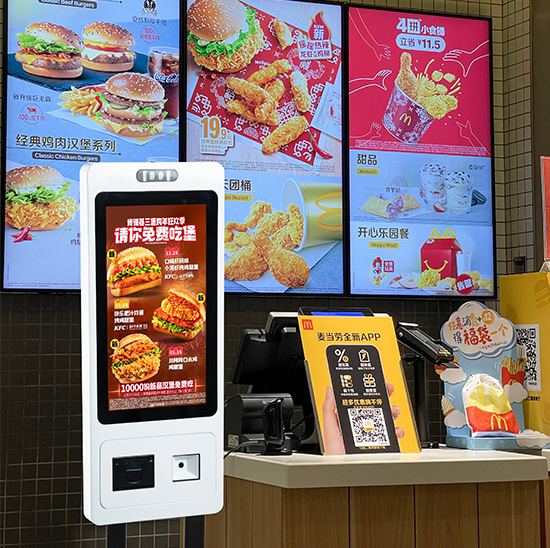
Ia mengendalikan pembayaran pelanggan bebas tanpa sokongan kakitangan di tapak. Ia memperkemas aliran kerja kedai dan meningkatkan ketepatan transaksi. Panduan ini menerangkan definisi terasnya, proses kerja, ciri utama, senario aplikasi dan soalan lazim.
Definisi Asas Kiosk Pembayaran
Satu bayaran Kiosk ialah terminal layan diri khusus. Ia memberi tumpuan kepada pembayaran autonomi, penyelesaian pesanan dan kutipan dana untuk pelbagai industri.
1. Terminal transaksi bebas
Peranti ini berfungsi secara berasingan daripada kaunter manual. Ia melengkapkan proses pembayaran penuh dengan operasi pelanggan yang mudah. Ia tidak memerlukan penyeliaan kakitangan yang berterusan.
2. Reka bentuk berfungsi semua-dalam-satu
Kebanyakan kiosk pembayaran menggabungkan semakan pesanan, pengiraan diskaun dan pemprosesan pembayaran. Mereka menyepadukan beberapa langkah perniagaan ke dalam satu mesin kompak. Mereka sangat memudahkan operasi kedai harian.
3. Perkakasan pintar berorientasikan perniagaan
Tidak seperti skrin sentuh biasa, kios pembayaran mempunyai modul pembayaran profesional. Ia menyokong transaksi yang disulitkan dan penyegerakan data masa nyata. Ia menyesuaikan sepenuhnya dengan peraturan penyelesaian dana komersial rasmi.
Cara Kiosk Pembayaran Standard Berfungsi
Setiap kios pembayaran mengikut yang mudah, aliran kerja yang stabil untuk menyelesaikan transaksi pelanggan.
1. Muatkan maklumat pesanan yang sah
Pertama, kiosk menyegerakkan data pesanan daripada sistem kedai. Ia memaparkan senarai item, harga seunit dan promosi tersedia pada skrin sentuh.
2. Benarkan pengguna mengesahkan butiran pesanan
Seterusnya, pelanggan menyemak semua kandungan pesanan secara manual. Mereka mengesahkan jenis produk, kuantiti dan harga akhir sebelum checkout. Langkah ini mengelakkan ralat penyelesaian.
3. Gunakan diskaun yang layak secara automatik
Kemudian, sistem sepadan dengan kupon yang sah, kombo dan tawaran kedai. Ia mengemas kini jumlah akhir yang perlu dibayar dalam masa nyata untuk pengebilan telus.
4. Menyokong pelbagai kaedah pembayaran
Pengguna memilih saluran pembayaran pilihan mereka. Mereka menyelesaikan transaksi tanpa sentuh dalam beberapa saat pada antara muka kiosk.
5. Hasilkan rekod dan resit
Akhirnya, kiosk menyimpan data transaksi ke bahagian belakang. Ia mencetak resit pelanggan dan mengemas kini status pesanan secara automatik.
Kelebihan Teras Memasang Kios Pembayaran
Pemilik perniagaan mendapat faedah operasi jangka panjang selepas menggunakan kios pembayaran.
1. Sangat memendekkan masa menunggu pelanggan
Pelbagai kiosk memproses transaksi serentak. Mereka menyuraikan aliran pelanggan pada waktu puncak dengan berkesan. Justeru, kedai meningkatkan perolehan perkhidmatan harian.
2. Hapuskan ralat pengebilan manual
Sistem pintar mengira semua jumlah secara automatik. Ia menghapuskan kesilapan pengiraan manusia sepenuhnya. Ia memastikan pengebilan yang tepat dan konsisten setiap masa.
3. Kurangkan beban kerja buruh kedai
Kiosk mengambil alih kerja pembayaran berulang. Kakitangan memberi tumpuan kepada pengeluaran produk dan perkhidmatan pelanggan. Pemilik perniagaan mengatur sumber manusia dengan lebih munasabah.
H4. Tingkatkan tahap keselamatan transaksi
Modul penyulitan profesional melindungi semua data pembayaran. Sistem merekodkan setiap jejak transaksi dengan jelas. Ia menjamin penyelesaian dana yang selamat dan boleh dikesan.
5. Menyokong perkhidmatan tanpa pengawasan 24 jam
Kiosk komersial yang layak menyokong operasi berterusan yang lama. Mereka menyediakan perkhidmatan pembayaran walaupun tanpa kakitangan di lokasi. Mereka meluaskan masa perkhidmatan perniagaan.
Senario Aplikasi Biasa untuk Kiosk Pembayaran
Kios pembayaran standard sesuai dengan kebanyakan senario komersial dan awam layan diri.
1. Kedai makanan segera dan katering
Perniagaan katering menggunakan kiosk untuk pembayaran pesanan dan penyelesaian bil. Mereka mempercepatkan perkhidmatan makan dan mengurangkan kesesakan barisan.
2. Kedai runcit dan serbaneka
Kedai runcit menggunakan kiosk pembayaran untuk pembayaran cepat. Mereka memudahkan proses membeli-belah dan mengoptimumkan pengalaman pelanggan.
3. Kemudahan perkhidmatan awam
Dewan perkhidmatan menggunakan kiosk untuk pembayaran yuran dan penyelesaian pertanyaan. Mereka mengurangkan tekanan tingkap manual dengan berkesan.
4. Tempat tanpa pemandu dan pintar
Kedai tanpa pemandu dan tempat yang indah menggunakan kiosk pembayaran. Mereka mengekalkan operasi layan diri yang stabil sepanjang hari.
Soalan Lazim Mengenai Kiosk Pembayaran
Q1: Apakah tujuan utama kiosk pembayaran?
A1: Kios pembayaran menyediakan perkhidmatan daftar keluar sendiri tanpa pemandu. Ia memproses penyelesaian pesanan, potongan diskaun dan pembayaran pelanggan selamat secara automatik.
S2: Adakah pembayaran pada kiosk pembayaran selamat?
A2: Ya. Kiosk pembayaran profesional menggunakan penghantaran data yang disulitkan. Mereka melindungi maklumat pembayaran pengguna dan memastikan setiap transaksi kekal selamat.
Q3: Bolehkah kiosk pembayaran berfungsi tanpa sokongan rangkaian?
A3: Mod pembayaran luar talian asas berfungsi buat sementara waktu. Namun sokongan rangkaian yang stabil memastikan penyegerakan data masa nyata dan rekod transaksi yang lengkap.
Q4: Adakah mudah untuk pengguna baharu mengendalikan kiosk pembayaran?
A4: Ya. Kiosk menampilkan antara muka sentuhan intuitif dan gesaan yang jelas. Semua kumpulan umur boleh menyelesaikan operasi pembayaran tanpa bimbingan kakitangan.
S5: Bolehkah kiosk pembayaran menyesuaikan diri dengan promosi kedai yang disesuaikan?
A5: Sudah tentu. Operator mengemas kini peraturan diskaun dan aktiviti kombo dari jauh. Kiosk menggunakan peraturan promosi baharu dalam masa nyata.
Kesimpulan
Untuk membuat kesimpulan, kios pembayaran ialah terminal layan diri profesional untuk pembayaran tanpa pemandu dan penyelesaian transaksi. Ia menyampaikan dengan cepat, perkhidmatan pembayaran yang tepat dan selamat untuk pelbagai senario komersial. Ia memotong masa beratur, mengurangkan tekanan buruh dan menyeragamkan proses pengebilan kedai. Ia berfungsi sebagai peningkatan pintar utama untuk operasi perniagaan luar talian moden.
Jika anda ingin melengkapkan perniagaan anda dengan stabil, kiosk pembayaran keselamatan tinggi untuk mengoptimumkan kecekapan perkhidmatan, sila isi borang pertanyaan di laman web rasmi kami. Kongsi senario penggunaan dan keperluan fungsian anda, dan pasukan kami akan menyampaikan penyelesaian kiosk tersuai eksklusif untuk projek anda.