
Metallurgical operations—from steel mills and aluminum smelters to foundries and copper refineries—run on precision, consistency, and 24/7 reliability. Yet many facilities still rely on outdated control interfaces: clunky mechanical dials, unresponsive legacy displays, or fragile touchscreens that can’t withstand the industry’s extreme conditions. High temperatures, fine dust, and constant machinery vibrations damage standard displays, leading to unplanned downtime, inaccurate process control, and increased maintenance costs. For metallurgical managers, these inefficiencies eat into profits, compromise product quality, and put worker safety at risk. Replacing entire control systems is costly and impractical, especially for facilities with aging but functional equipment.Industrial Touch Displays are engineered specifically to solve these critical challenges, tailored for the unique demands of metallurgical environments.
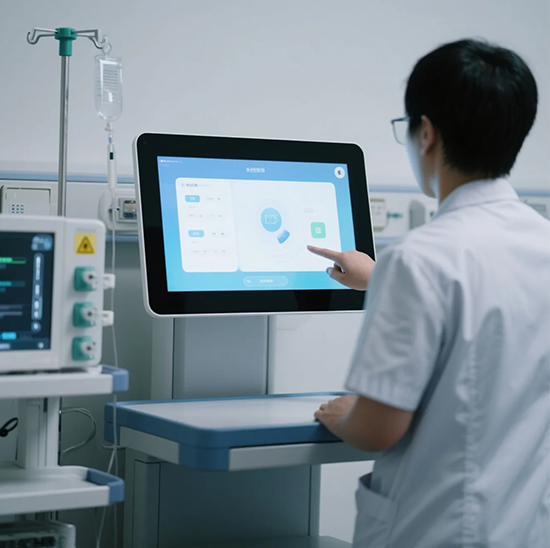
They combine industrial-grade heat resistance, dust sealing, and intuitive functionality to deliver reliable, high-performance control over furnaces, mills, conveyors, and smelters. These displays let operators monitor real-time temperature, adjust electrolysis parameters, track production metrics, and respond to alerts—all while withstanding the harshest conditions of steel, aluminum, and metal processing facilities. Best of all, they integrate seamlessly with existing metallurgical equipment, minimizing setup time and maximizing return on investment. This article breaks down their core features, key benefits, metallurgy-specific applications, and FAQs to show how they transform metallurgical operations for maximum efficiency.
Core Features of Industrial Touch Displays for Metallurgical Efficiency
1. Extreme Heat & Temperature Resistance for Metallurgy Zones
Metallurgical facilities operate in blistering heat—and these displays are built to perform:
Wide operating temperature range: Functions reliably from -25°C to 75°C (-13°F to 167°F), ideal for furnace side stations, casting areas, and hot rolling mills.
Heat-dissipating aluminum housing: Finned casings draw heat away from internal components, preventing overheating and component damage.
High-temperature touch sensors: Industrial-grade capacitive sensors maintain full responsiveness, even near 1000°C reduction pots or induction furnaces.
Thermal shield mounting options: Reduce direct heat transfer to the display, ensuring stable performance in high-temperature zones.
This heat resistance eliminates the top cause of display failures in metallurgical plants: thermal degradation.
2. Dust & Debris Sealing for Metallurgical Environments
Fine dust, metal particles, and slag are omnipresent in metallurgy—and these displays keep them out:
IP67/IP69K front-panel protection: Fully sealed against dust, rock particles, and high-pressure washdowns (critical for post-processing cleaning).
Hermetic edge gaskets: Reinforced seals block dust and vapors from seeping into ports and wiring, eliminating short circuits and sensor clogs.
Smooth, non-porous surface: Wipes away dust, slag, and grime with a single swipe, no disassembly or harsh cleaning needed.
Dust-resistant cooling vents: Filtered openings prevent dust buildup in internal systems, ensuring long-term reliability.
This dust-sealing technology ensures the displays stay operational, even in the dustiest smelter and foundry zones.
3. Vibration & Shock Resistance for Heavy Machinery
Metallurgical equipment generates constant vibrations—and these displays maintain precision:
Shock & vibration isolation: Absorbs vibrations from crushers, mills, and conveyors (up to 10g shock resistance) to preserve touch accuracy.
Reinforced mounting brackets: Secure the display to machinery frames, reducing vibration transfer and preventing component loosening.
Rugged circuit boards: Shock-absorbent materials protect internal electronics from damage caused by heavy machinery operation.
This durability ensures the displays remain responsive, even in the most vibrating metallurgical settings.
4. High-Visibility Displays for Glare-Prone Metallurgy Zones
Operators need clear visibility, even in bright furnace light or dim underground tunnels:
1200+ nit high-brightness panels: Cuts through furnace glow, sunlight (open-pit mines), and artificial lighting for easy readability.
Anti-glare & anti-reflective coatings: Minimizes reflections from molten metal, shiny equipment, and wet surfaces.
High-contrast, bold icons: Large text and symbols ensure quick recognition, even with protective eyewear or during long shifts.
Wide viewing angles: 178° horizontal and vertical ranges, so operators can read critical data from any position near the control station.
This visibility helps operators make fast, informed decisions without straining to view controls.
5. Seamless Integration with Metallurgical Control Systems
These displays fit right into your existing infrastructure without major overhauls:
Compatibility with metallurgy PLCs: Works with Siemens, Allen-Bradley, and ABB systems—standard in steel mills, smelters, and foundries.
Support for industrial protocols: Integrates with Modbus, CANopen, and PROFINET for real-time data sync with furnaces, mills, and sensors.
Plug-and-play setup: Connects to existing wiring with minimal modifications, cutting installation downtime to hours.
Remote monitoring capability: Syncs with mine or plant management software for off-site oversight and troubleshooting.
This integration ensures the displays enhance operations without disrupting production schedules or requiring extensive staff training.
6. Intuitive Gloved-Touch Operation for Metallurgical Workers
Operators wear heavy gloves for safety—and these displays work seamlessly with them:
Gloved-touch optimization: Supports thick industrial, rubber, and cut-resistant gloves, eliminating the need to remove handwear.
Simplified interface design: Focuses on critical metallurgical controls (temperature, current, feed rates) to reduce complexity and fatigue.
Customizable alerts: Visual and audio notifications for overheating, equipment malfunctions, or unsafe dust levels.
One-tap emergency controls: Quick access to shutdown functions to prevent accidents from escalating.
This user-centric design reduces training time and boosts operator efficiency in high-pressure metallurgical environments.
Key Benefits of Industrial Touch Displays for Metallurgical Efficiency
1. Eliminate Downtime Caused by Display Failures
Outdated, fragile displays cost metallurgical facilities millions in lost production—these panels fix that:
Cut unplanned downtime by 75%: Heat, dust, and vibration resistance prevent screen blackouts and touch unresponsiveness.
Extend display lifespan: Last 5–7 years, compared to 1–2 years for standard industrial displays in metallurgy.
Reduce replacement costs: Durable components lower the frequency of costly swaps and repairs.
Minimize production losses: Reliable controls keep furnaces, mills, and smelters operational 24/7.
2. Boost Process Precision & Product Quality
In metallurgy, precision equals quality—and these displays deliver consistent, accurate control:
Accurate parameter adjustment: Fine-tune furnace temperature, electrolysis current, and mill speeds with 0.1°C/0.1A precision.
Real-time data tracking: Monitor production metrics (output, defect rates, material usage) to identify bottlenecks and optimize workflows.
Faster changeovers: Preset settings for different metal types (steel, aluminum, copper) cut setup time by 40%.
Reduce scrap rates: Consistent controls minimize defects like uneven coating, blistering, or inconsistent alloy composition.
3. Enhance Workplace Safety for Metallurgical Operators
Safety is non-negotiable in metallurgy—and these displays boost safety at every step:
Enable gloved operation: Operators keep protective gear on, reducing hand injuries and exposure to heat, chemicals, and dust.
Clear safety alerts: High-contrast notifications warn of overheating, equipment failure, or unsafe gas/dust levels.
One-tap emergency shutdowns: Quick access to critical controls prevents accidents from escalating.
Remote monitoring options: Lets supervisors track operations from safe zones, reducing on-site exposure to hazards.
4. Lower Long-Term Operational Costs for Metallurgical Plants
These displays are a smart investment that pays off over time:
Cut maintenance costs: Sealed, durable design reduces the need for frequent repairs and cleanings.
Save energy: Efficient components use less power than traditional control systems, lowering electricity or fuel bills.
Avoid costly system overhauls: Integrate with legacy equipment, eliminating the need for full control system replacements.
Optimize resource use: Real-time data helps reduce material waste and energy consumption, cutting operational expenses.
Practical Applications for Metallurgical Operations
1. Steel Mill Furnace & Smelter Control
For blast furnaces, electric arc furnaces (EAFs), and steel smelters:
Furnace temperature monitoring: Real-time displays track molten steel temperature to prevent overheating and ensure uniform steel quality.
Electrolysis parameter adjustment: Fine-tune current and voltage for optimal steel production in electric furnaces.
Feed rate control: Adjust iron ore, coke, and limestone inputs to match furnace capacity.
Safety system integration: Trigger alerts for furnace overpressure or gas leaks to protect workers.
2. Aluminum Smelter Pot Line & Casting Operations
For reduction pots, casting machines, and ingot production lines:
Pot temperature & voltage control: Maintain precise electrolysis parameters to maximize aluminum yield and purity.
Casting speed adjustment: Sync with conveyors to match molten aluminum flow for consistent ingot quality.
Anode consumption tracking: Alert operators when anodes need replacement to prevent pot downtime.
Molten metal level monitoring: Prevent overfilling in casting molds to reduce waste.
3. Metallurgical Rolling Mills & Material Handling
For hot/cold rolling mills, conveyors, and sorting systems:
Roll speed & pressure control: Adjust settings to achieve precise steel/aluminum thickness and surface finish.
Conveyor load monitoring: Prevent jams and overloads to reduce equipment damage and downtime.
Part sorting & tracking: Classify finished metal products by grade, size, or quality for efficient inventory management.
Vibration-resistant control: Maintain touch accuracy even in high-vibration rolling mill zones.
4. Foundry & Metal Processing Equipment
For foundries, forges, and metal finishing lines:
Furnace temperature & time control: Optimize casting and forging cycles for consistent part quality.
Grinding & polishing control: Adjust speed and pressure for smooth metal surfaces in finishing operations.
Waste heat recovery monitoring: Track energy usage to improve sustainability and reduce costs.
Dust & fume extraction control: Sync with ventilation systems to maintain safe air quality in foundry zones.
FAQs About Industrial Touch Displays for Metallurgical Efficiency
Q1: Will these Industrial Touch Displays work with my existing metallurgical PLCs?
A1: Yes! They integrate seamlessly with all major PLC brands (Siemens, Allen-Bradley, ABB) used in steel mills, smelters, and foundries. They support standard industrial protocols like Modbus, CANopen, and PROFINET, ensuring full compatibility with your current control infrastructure.
Q2: How do these displays perform near high-temperature furnaces (up to 1000°C)?
A2: They feature a wide operating temperature range (-25°C to 75°C) and heat-dissipating housing that draws heat away from internal components. The vibration-isolated mounting and thermal shield further reduce heat transfer, ensuring stable performance even in zones adjacent to 1000°C furnaces.
Q3: Can operators use these displays with heavy industrial gloves?
A3: Absolutely! The displays are optimized for gloved operation, supporting thick rubber, cut-resistant, and thermal gloves commonly used in metallurgical facilities. Operators never need to remove protective gear to adjust controls, boosting safety and efficiency.
Q4: Are these displays resistant to the fine dust and slag in foundries and smelters?
A4: Yes! They have IP67/IP69K front-panel protection and hermetic seals that fully block fine mining dust, rock particles, and slag. The smooth, non-porous surface also makes cleaning quick and easy, ensuring consistent performance in the dustiest metallurgical zones.
Q5: What warranty and support come with these Industrial Touch Displays?
A5: All models include a 3-year warranty covering heat resistance, dust sealing, vibration durability, and touch responsiveness. We also offer 24/7 technical support, on-site installation guidance, and operator training to help your team maximize display performance and integrate the panels into your operations seamlessly.
Conclusion
Industrial Touch Displays are a transformative solution for metallurgical operations, delivering rugged reliability, precise control, and real-time data visibility in the industry’s harshest conditions. They eliminate downtime caused by heat, dust, and vibration, boost process efficiency and product quality, enhance worker safety, and lower long-term operational costs. Whether you run a steel mill, aluminum smelter, foundry, or mineral processing plant, these displays integrate seamlessly with your existing equipment to optimize every aspect of metallurgical production.
Ready to elevate your metallurgical efficiency with durable, high-performance Industrial Touch Displays? Fill out the form on our website to connect with our industrial technology experts. We’ll assess your facility’s unique temperature, vibration, and dust challenges, verify compatibility with your existing equipment, and recommend a customized solution tailored to your production goals. Let’s optimize your metallurgical operations for maximum efficiency, safety, and profitability—start today!