
Moderne smartenheder og industrielle maskiner er afhængige af intuitive interaktive værktøjer. Berøringsskærmsfunktioner er kernen i kommunikationen mellem mennesker og maskiner. De fleste brugere interagerer med berøringsskærme dagligt, men mangler klar teknisk bevidsthed.Berøringsskærm Teknologi refererer til specialiseret registrerings- og displayteknologi, der forvandler skærmtryk til eksekverbare kommandoer.
Det eliminerer ekstra input-enheder og strømliner alle interaktive arbejdsgange. Desuden, det udvikler sig konstant til at passe kommercielt, industrielle og offentlige scenarier. Denne artikel forklarer dens kernedefinition, arbejdskategorier, unikke styrker og fælles brugsregler for begyndere og industrikøbere.
Kernedefinition af berøringsskærmteknologi
Touch Screen Technology er et kombineret hardware og software interaktivt system. Den kombinerer visuel visning og signalinduktion i én samlet struktur.
1. Integreret interaktivt design
Denne teknologi integrerer følelag, kontrolchips og displaypaneler. Den fanger brugerens berøringssignaler og leverer øjeblikkelig visuel feedback. Det skaber en direkte, intuitiv betjeningsoplevelse.
2. Mulighed for aktiv signalidentifikation
Den kan identificere forskellige betjeningshandlinger såsom at trykke, glidende og lang presning. Det skelner også gyldige berøringer fra utilsigtet kontakt. Denne funktion sikrer stabil og nøjagtig daglig drift.
3. Scenarieorienteret teknisk iteration
Grundlæggende teknologi i forbrugerkvalitet fokuserer på følsomhed og glathed. Berøringsskærmteknologi i industriel kvalitet prioriterer holdbarhed og miljøbestandighed. Forskellige tekniske design matcher forskellige arbejdsforhold.
Primære typer af moderne berøringsskærmteknologi
Hver teknologitype anvender uafhængig induktionslogik og er rettet mod specifikke anvendelsesområder.
1. Kapacitiv berøringsskærmteknologi
Denne teknologi registrerer små elektriske ladninger fra menneskelige fingre. Den leverer ultrahurtig respons og multi-touch-understøttelse. Således, det dominerer forbrugerelektronik og kommercielle smarte terminaler. Den understøtter jævn gestus-betjening til daglig letvægtsbrug.
2. Resistiv berøringsskærmteknologi
Den bruger to ledende filmlag og trykinduktion til at arbejde. Det reagerer på enhver fysisk presserende kraft. Desuden, den understøtter fuldt ud behandskede hænder og stylus-betjening. Den passer perfekt til barske industrielle værkstedsmiljøer.
3. Infrarød berøringsskærmteknologi
Den bygger et usynligt infrarødt lysnet rundt om skærmens kant. Berøringshandlinger blokerer lysstier for at bekræfte koordinaterne. Det kan prale af stærk anti-interferens ydeevne. I mellemtiden, den passer til store offentlige udstillingsudstyr.
4. Surface Acoustic Wave-teknologi
Det transmitterer ultralydsbølger hen over skærmens overflade. Berøringspunkter absorberer delbølger for at fuldføre positioneringen. Det giver ultrahøj lystransmission. Af denne grund, det gælder for professionelle enheder med høj præcision.
Grundlæggende arbejdsprincipper for berøringsskærmteknologi
Alle touchscreen-teknologier følger en enkel og effektiv arbejdscyklus.
1. Udløs fysiske induktionsændringer
Først, brugerberøringer skaber fysiske ændringer på skærmens overflade. Ændringer inkluderer gebyrskift, trykkontakt eller let okklusion. Disse handlinger genererer originale interaktive signaler.
2. Indsaml nøjagtige koordinatdata
Næste, Indbyggede professionelle sensorer fanger subtile signalændringer. De beregner præcise berøringspositioner og operationsspor i realtid. Hele processen afsluttes inden for millisekunder.
3. Overfør data til kontrolchips
Så, interne kontrolchips modtager og sorterer effektive data. De filtrerer ugyldige interferenssignaler for at undgå forkerte kommandoer. Dette trin garanterer driftsnøjagtighed.
4. Udfør feedback og interaktion
Endelig, systemet udfører tilsvarende funktioner. Skærmen opdaterer indhold for at fuldende menneske-maskine-interaktion. Denne stabile sløjfe understøtter langvarig gentagen brug.
Vigtigste fordele ved moderne berøringsskærmteknologi
Avanceret berøringsskærmteknologi giver indlysende opgraderinger i forhold til traditionelle kontrolmetoder.
1. Forenkle den overordnede operationslogik
Det fjerner afhængighed af eksterne tastaturer og mus. Brugere afslutter alle operationer gennem direkte skærmkontakt. Det sænker i høj grad driftstærsklerne for nye brugere.
2. Øg enhedens køreeffektivitet
Hurtig signalrespons forkorter driftsventetiden. Nøjagtig induktion reducerer forkerte operationer og gentagne justeringer. Det forbedrer den samlede arbejdseffektivitet støt.
3. Forbedre udstyrets holdbarhed
Opdateret industriel teknologi tilføjer støvtæthed, vandtætte og ridsefaste funktioner. Den tilpasser sig højfrekvent brug og barske miljøer. Det forlænger udstyrets levetid effektivt.
4. Understøtter personlig tilpasning
Producenter justerer tekniske parametre til forskellige scenarier. De optimerer følsomheden, størrelse og anti-interferens ydeevne. Det opfylder forskellige industriproduktionskrav.
Almindelige applikationer til berøringsskærmteknologi
Touch Screen Technology betjener næsten alle smarte interaktive udstyrsområder.
1. Industrielt automationsudstyr
Værkstedskontrolpaneler anvender resistiv og infrarød teknologi. De tilpasser sig til handskedrift, støv og vibrationer. De sikrer stabil produktionsovervågning hele dagen lang.
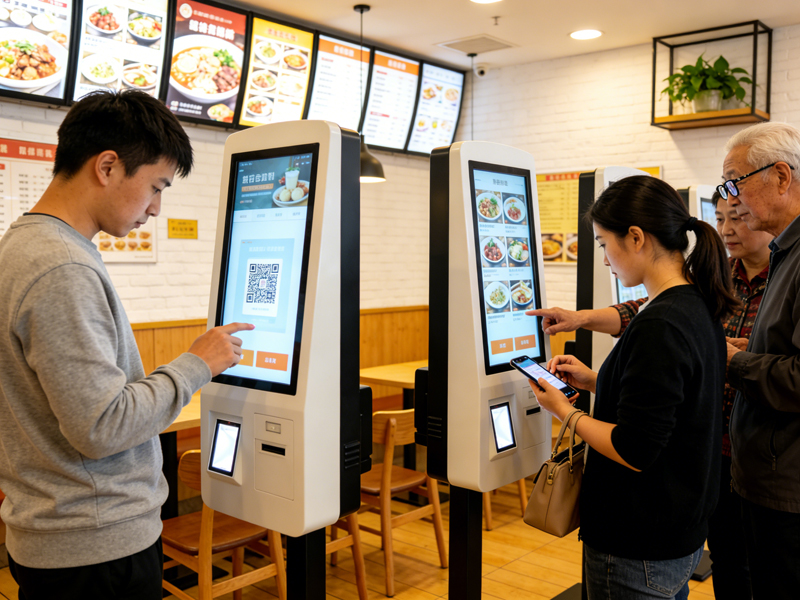
2. Kommercielle selvbetjeningsterminaler
Catering- og detailkiosker bruger kapacitiv teknologi. Det giver en smidig og hurtig bestillingsoplevelse. Det reducerer effektivt kundetiden i kø.
3. Smart kontor- og hjemmeenheder
Kontorskærme og smart home-paneler anvender moden kapacitiv teknologi. Det skaber enkel og bekvem daglig intelligent interaktion.
4. Offentlige interaktive skærme
Udstillings- og forespørgselsmaskiner bruger infrarød berøringsteknologi. Det understøtter stor skærm og stærk anti-skade evne. Det sænker vedligeholdelsestrykket for offentligt udstyr.
Ofte stillede spørgsmål om berøringsskærmteknologi
Q1: Hvad er den mest udbredte Touch Screen-teknologi?
A1: Kapacitiv berøringsteknologi rangerer først i popularitet. Den har hurtig respons og jævn interaktion for de fleste kommercielle og daglige enheder.
Q2: Hvilken Touch Screen-teknologi fungerer bedst til industrielle miljøer?
A2: Resistiv og infrarød berøringsteknologi fungerer bedst. De understøtter betjening med handsker og modstår hårde værkstedspåvirkninger.
Q3: Hvad forårsager manglende respons på berøringsskærmsfejl?
A3: Signalinterferens, Ophobning af overfladesnavs eller ældningsfølende lag forårsager hovedsageligt dette problem. Regelmæssig vedligeholdelse holder den tekniske ydeevne stabil.
Q4: Kan Touch Screen-teknologi arbejde i ekstreme temperaturer?
A4: Standardteknologi kæmper med ekstreme klimaer. Professionel industriel berøringsteknologi tilpasser sig høje og lave temperaturer.
Q5: Er forskellig touch screen teknologi udskiftelig?
A5: Ingen. Hver teknologi har unik induktionslogik og struktur. Direkte udskiftning fører til dårlig kompatibilitet og ustabil drift.
Konklusion
For at opsummere, Touch Screen Technology er en kerneteknologi til interaktion mellem menneske og maskine, der kombinerer sansning, databehandling og displayoutput. Det omfatter fire mainstream-typer med uafhængige arbejdsprincipper og scenariefordele. Det forenkler driftens arbejdsgange, forbedrer udstyrets effektivitet og understøtter tilpasset industriel og kommerciel brug. Valg af matchet berøringsskærmteknologi forbedrer direkte enhedens stabilitet og brugeroplevelse.
Hvis du ønsker at vælge passende udstyr udstyret med professionel Touch Screen Technology til din virksomhed eller industrielle projekter, udfyld venligst forespørgselsformularen på vores hjemmeside. Forlad dit brugsmiljø, udstyrstype og funktionsbehov. Vores professionelle team vil tilbyde skræddersyet, omkostningseffektive berøringsskærmløsninger til dig.