Solenergisystemer er på forkant med bæredygtig energi, men ineffektiv udstyrskontrol kan dræne ydeevnen. Traditionelle skiver, afbrudte data, eller skrøbelige grænseflader fører til tabt energi, forsinket vedligeholdelse, og forpassede optimeringsmuligheder. Disse problemer reducerer solfarmernes rentabilitet, forlænge nedetiden, og begrænse det fulde potentiale for investeringer i vedvarende energi. Industrielle HMI-skærme til kontrol af solarudstyr løser disse kritiske udfordringer.
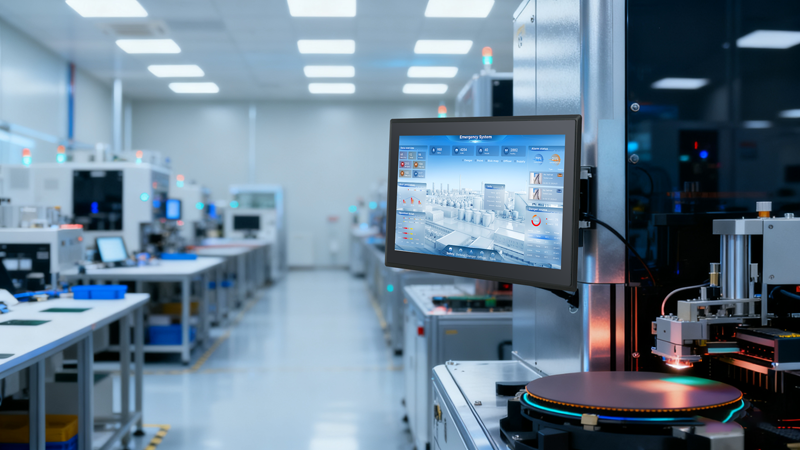
Disse skærme er designet specielt til solcellemiljøer – fra tagterrasser til landbrug i brugsskala – centraliserer styringen af invertere, trackere, batterier, og sensorer. De er bygget til at modstå ekstremt vejr, UV eksponering, og konstant drift, leverer pålidelig ydeevne 24/7. Uanset om du administrerer et lille kommercielt system eller et stort solcelleanlæg, disse industrielle HMI-skærme gør fragmenteret solenergiudstyr til et koordineret, effektivt netværk. Denne artikel nedbryder deres nøglefunktioner, fordele, applikationer, og ofte stillede spørgsmål for at vise, hvordan de revolutionerer styring af solenergi.
Kerneegenskaber ved industrielle HMI-skærme til kontrol af solarudstyr
1. Real-Time Solar Performance Monitoring & Kontrollere
Solenergieffektivitet starter med synlighed – og disse skærme leverer handlingsvenlig indsigt:
Omfattende datasporing: Overvåg solindstrålingen, inverter udgang, batterilagringsniveauer, og energiforbrug i realtid.
Centraliseret udstyrskontrol: Juster soltrackere (azimut/hældning), inverter indstillinger, og batteri opladning/afladning med et enkelt tryk.
Ydeevneadvarsler: Visuelle og lydadvarsler for problemer som "Lav bestråling," "Inverter fejl,” eller “Batteri overopladning” for at forhindre energitab.
Brugerdefinerbare dashboards: Tailor data views to prioritize KPIs (f.eks., "Daglig energiproduktion," "Systemeffektivitet") for operatører eller interessenter.
Dette kontrolniveau sikrer, at der ikke spildes energi, og problemer løses, før de påvirker ydeevnen.
2. Vejrbestandig & Robust Solar-Grade Design
Solmiljøer er barske - og disse skærme er bygget til at holde ud:
IP65/IP67 støv- og vandtæt: Forseglede indhegninger blokerer for regn, støv, og affald fra udendørs solcelleanlæg eller taginstallationer.
UV- og temperaturtolerance: Tåler direkte sollys (UV50+ vurdering) og ekstreme temperaturer fra -30°C til 70°C (-22°F til 158 °F), passende ørkener eller kolde klimaer.
Anti-genskin, skærme med høj lysstyrke: 1200+ nit lysstyrke sikrer læsbarhed i direkte sollys, kritisk for udendørs overvågning.
Stød- og vibrationsmodstand: Forstærkede rammer håndterer vindvibrationer, haglpåvirkninger, og vedligeholdelsesrelaterede bump.
3. Sømløs integration med solsystemer & Software
They connect with your existing solar infrastructure to avoid disruptions:
Kompatibilitet med solcelleudstyr: Fungerer med invertere (SMA, Fronius, Huawei), trackere (Nextracker, Array-teknologier), og BMS (Batteristyringssystemer).
Solar software integration: Synkroniser med overvågningsplatforme (SolarEdge overvågning, Enphase Enlighten) og energistyringssystemer (EMS) for ende-til-ende synlighed.
Flere kommunikationsprotokoller: Understøtter Modbus TCP, Ethernet/IP, og MQTT for stabil dataoverførsel på tværs af solcelle-netværk.
Cloud-forbindelse: Push data til cloud-servere for fjernadgang, historisk analyse, og resultatrapportering.
4. Brugervenlig grænseflade & Fjernstyring
Solenergidrift skal være enkel, fleksible værktøjer – og disse skærme leverer:
Intuitiv navigation: Store ikoner og tydelige etiketter reducerer træningstiden, selv for ikke-teknisk personale.
Kompatibilitet med handsker: Forbedret berøringsfølsomhed fungerer med arbejdshandsker, så vedligeholdelsesteams kan betjene skærme i marken.
Muligheder for fjernadgang: Overvåg og styr solcelleudstyr fra eksterne enheder (bærbare computere, tabletter) via sikre cloud-forbindelser.
Offline funktionalitet: Gem data lokalt, hvis internetforbindelsen falder, synkroniseres derefter automatisk, når den gendannes - afgørende for fjerntliggende solarfarme.
Vigtigste fordele for solenergisystemer
1. Forøg energioutput & Systemeffektivitet
Hver kilowatt-time tæller - og disse skærme maksimerer solpotentialet:
Øg energiudbyttet med 8-12 %: Optimer solar tracker positionering og inverter indstillinger baseret på real-time irradians data.
Reducer energispild: Forebyg overopladning/afladning af batterier og juster udstyr for at undgå laveffektive driftstilstande.
Minimer nedetid: Hurtig fejldetektion reducerer løsningstiden med 60%, sikrer, at systemerne kører med maksimal ydeevne længere.
Optimer lagerforbruget: Balancer batteriopladning med netbehov for at maksimere eget forbrug og reducere forsyningsomkostninger.
2. Forenkle vedligeholdelsen & Reducer omkostninger
Solvedligeholdelse er dyrt - disse skærme strømliner vedligeholdelsen:
Forudsigende vedligeholdelsesadvarsler: Identificer udstyrsnedbrydning (f.eks., "Inverter effektivitet fald") før der opstår fejl, reducere nødreparationer.
Skær vedligeholdelsestiden med 40%: Centraliserede data og fjerndiagnostik eliminerer behovet for inspektioner på stedet af hver komponent.
Forlæng udstyrets levetid: Korrekt kalibrerede kontroller (f.eks., tracker justering, batteristyring) reducere slid på invertere og batterier.
Lavere lønomkostninger: Fjernstyring giver teams mulighed for at overvåge flere solcelleanlæg fra ét sted, reduktion af rejseudgifter.
3. Forbedre sikkerheden & Overholdelse
Solcelleanlæg kræver strenge sikkerhedsstandarder - og disse skærme understøtter overholdelse:
Elektriske sikkerhedsfunktioner: Lockout/tagout-funktioner forhindrer utilsigtet aktivering af udstyr under vedligeholdelse.
Overholdelsesrapportering: Autogenerer logfiler til regulatoriske standarder (f.eks., IEC 61215 til solpaneler, NEC 690 til ledninger) for at forenkle revisioner.
Brand- og overophedningsbeskyttelse: Advarsler for "Inverter Overheat" eller "Battery Thermal Runaway" reducerer sikkerhedsrisici.
Adgangskontrol: Begræns systemjusteringer til autoriserede brugere, sikre sikker, kompatibel drift.
4. Forbedre ROI & Solar Farm Rentabilitet
Disse skærme leverer målbare økonomiske afkast:
Hurtigere tilbagebetalingsperioder: Øget energiproduktion og reducerede vedligeholdelsesomkostninger forkorter ROI-tidslinjer med 1-2 år.
Datadrevet beslutningstagning: Historiske ydeevnedata hjælper med at identificere underpræsterende paneler eller arrays til målrettede opgraderinger.
Reducerede forbrugsregninger: Optimere eget forbrug af solenergi, skære afhængighed af netstrøm.
Gennemsigtig interessentrapportering: Generer automatiske resultatrapporter til investorer, forsyningsselskaber, eller offentlige incitamenter.
Praktiske applikationer til forskellige solcelleanlæg
1. Solfarme i brugsskala
Til storskala solcelleprojekter (10MW+):
Multi-array overvågning: Administrer hundredvis af invertere, trackere, og batterier fra et enkelt kontrolrums dashboard.
Grid integration værktøjer: Synkroniser energioutput med netbehov for at undgå indskrænkning og maksimere feed-in-tariffer.
Geografisk datakortlægning: Visualiser ydeevne på tværs af forskellige landbrugszoner for at identificere strålingsvariationer.
2. Kommerciel & Industriel (C&jeg) Solcelletage
For virksomheder, fabrikker, eller varehuse:
Belastningsstyring: Balancer solproduktion med energiforbrug på stedet for at reducere spidsbelastningsafgifter.
Kontrol af batteriopbevaring: Optimer backup-strøm til kritiske operationer under netudfald.
Integration af elregning: Spor solbesparelser i forhold til netomkostninger for at demonstrere ROI for virksomhedsejere.
3. Solcelleanlæg til beboelse (Udviklinger i stor skala)
Til boligkomplekser eller bofællesskaber:
Fælles systemovervågning: Administrer en centraliseret solcelle og distribuer energi til flere hjem.
Fakturerings- og allokeringsværktøjer: Spor energiforbrug pr. husstand for fair omkostningsdeling.
Forenklet vedligeholdelse: Identificer problemer med individuelle paneler eller invertere uden at forstyrre hele systemet.
4. Off-grid solcelleanlæg
Til fjerntliggende steder (hytter, tele tårne, landdistrikter):
Optimering af batteristyring: Forlæng batteriets levetid ved at forhindre overopladning/overafladning i isolerede systemer.
Lavt strømforbrug: Skærme bruger minimalt med energi, ideel til off-grid opsætninger med begrænset lagerplads.
Fjernfejlfinding: Diagnosticer problemer på afstand for at reducere dyre webstedsbesøg.
Ofte stillede spørgsmål om industrielle HMI-skærme til kontrol af solarudstyr
Q1: Vil disse skærme fungere med mine eksisterende solcelle-invertere og trackere?
A1: Ja. De er kompatible med alle førende mærker af solenergiudstyr (SMA, Fronius, Nextracker) og understøtter standardprotokoller til problemfri integration. Vores team verificerer kompatibilitet under opsætningen.
Q2: Hvor holdbare er skærmene til ekstreme solmiljøer (ørkener, kolde klimaer)?
A2: De er bygget til solenergiens hårdeste forhold - IP67 vejrbestandighed, UV50+ beskyttelse, og -30°C til 70°C temperaturområde. De fleste modeller holder 10+ år i udendørs solcelleanlæg.
Q3: Kan jeg overvåge og fjernstyre systemet?
A3: Absolut. Cloud-forbindelse giver dig adgang til HMI-dashboardet fra enhver enhed (bærbar, telefon, tablet) med internet, muliggør fjernovervågning og justeringer fra hvor som helst.
Q4: Kræver skærmene regelmæssig vedligeholdelse?
A4: Minimal vedligeholdelse er nødvendig. Det forseglede design og robuste komponenter reducerer vedligeholdelsen - kun lejlighedsvis rengøring af antirefleksglasset for at fjerne støv eller snavs. Selvdiagnostiske værktøjer advarer dig om potentielle problemer.
Q5: Hvilken garanti følger med Industrial HMI Screens til solcellebrug?
A5: Alle modeller inkluderer en 5-års garanti, der dækker hardwarefejl, vejrskader, og berøringsfølsomhed. Udvidede 10-årige garantier er tilgængelige for solcelleanlæg i brugsskala, med 24/7 teknisk support.
Konklusion
Industrielle HMI-skærme er rygraden i effektiv, rentable solenergisystemer. De centraliserer kontrollen, maksimere energiudbyttet, og forenkle vedligeholdelsen – alt imens de modstår de barske forhold i solenergimiljøer. Uanset om du bestyrer et nyttebrug, kommerciel tagterrasse, eller installation uden for nettet, disse skærme gør solcelleudstyr til en smart, koordineret netværk, der leverer mere energi og lavere omkostninger.
Klar til at optimere dit solsystem med industrielle HMI-skærme? Udfyld formularen på vores hjemmeside for at komme i kontakt med vores teknologieksperter inden for vedvarende energi. Vi vurderer dit solcelleanlæg, verificere udstyrets kompatibilitet, og anbefale en skræddersyet løsning til at øge dit energiudbytte og dit investeringsafkast. Lad os låse op for det fulde potentiale af din solenergiinvestering – start i dag!