
Nu om dage, berøringsskærme vises i næsten alle elektroniske enheder. Du kan se dem på industrimaskiner, detailterminaler, smarte enheder og offentlige kontrolpaneler. Mange mennesker bruger touchskærme hver dag, men få kender deres indre arbejdsregler.
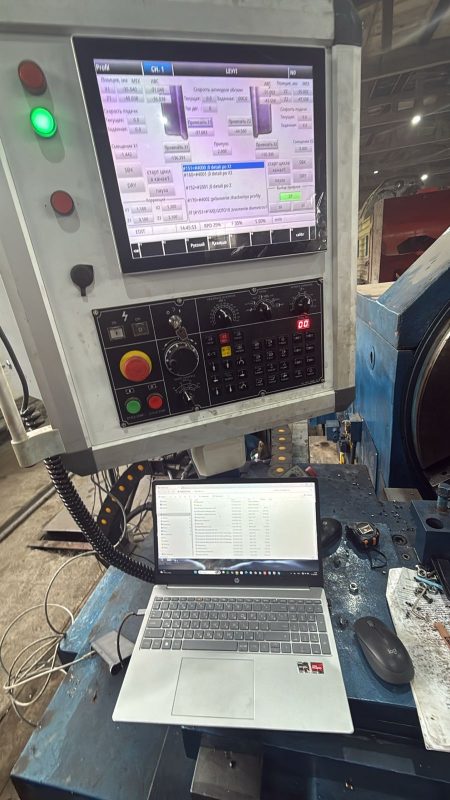
Anderledes berøringsskærm typer anvender forskellige sansemåder, som også bestemmer deres brugsscener, følsomhed og levetid. At vide, hvordan en berøringsskærm fungerer, hjælper dig med at vælge den rigtige model til din virksomheds brug. Denne artikel forklarer grundlæggende arbejdsteorier, almindelige klassifikationer, kernefordele og relaterede almindelige spørgsmål enkelt og tydeligt.
Grundlæggende arbejdsprincip for almindelige berøringsskærme
Alle touchskærme følger den samme enkle kernelogik. De fornemmer ydre berøringshandlinger først, send derefter signaler til hovedkontroltavlen, og til sidst udføre tilsvarende kommandoer.
1. Ekstern berøringssignaludløser
Når fingre eller handsker rører skærmens overflade, fysiske ændringer sker på det følende lag. Sådanne ændringer omfatter trykskift, strømændring eller lysblokering. Disse små ændringer er de originale berøringssignaler.
2. Intern sensorsignalfangst
Indbyggede sensorer inde i berøringsskærmen fanger hurtigt disse subtile ændringer. De bekræfter den nøjagtige berøringsposition og berøringsstyrke i realtid. Hele reaktionsprocessen slutter på et meget kort øjeblik.
3. Signaltransmission og dataanalyse
Næste, berøringsskærmen sender bekræftede positionsdata til det matchende værtssystem. Systemet sorterer modtagne data fra og vurderer, hvilken funktion brugerne ønsker at starte.
4. Kommandoudførelse og skærmfeedback
Til sidst, enheden kører den tilsvarende operation og giver visuel feedback på skærmen. På denne måde, brugere afslutter nemt en komplet berøringskontrol.
De vigtigste almindelige typer og deres arbejdsmåder
I faktisk brug, fire slags berøringsskærme er meget udbredt i kommercielle og industrielle områder. Hver har uafhængige arbejdsfunktioner.
1. Resistiv berøringsskærm
Den er afhængig af to lag ledende film indeni for at fungere. Berøringstryk får de to film til at kontakte hinanden for at danne strømsignaler. Det understøtter berøring med handsker og lave omkostninger, velegnet til simple industrielle kontrolscener.
2. Kapacitiv berøringsskærm
Dette er den mest populære type i øjeblikket. Det inducerer menneskelig kropsstrøm for at bekræfte berøringspunkter. Det ejer hurtig responshastighed og tydelig skærmeffekt, mest brugt på smartterminaler og daglige elektroniske produkter.
3. Infrarød berøringsskærm
Den sætter infrarøde sende- og modtagebjælker rundt om skærmrammen. Berøringshandlinger blokerer infrarøde stråler for at lokalisere positioner. Det har høj holdbarhed og stor størrelse fordel, passer til stor størrelse display udstyr.
4. Surface Acoustic Wave Touch Screen
Det spreder lydbølger på skærmens overflade. Berøringshandlinger absorberer delvise lydbølger for at fuldende induktion. Den har høj lystransmission og stabil ydeevne, anvendes i højpræcisionskontroludstyr.
Nøglefaktorer, der påvirker Touch Screen Working Effect
Mange daglige faktorer vil direkte påvirke berøringsfølsomhed og stabil drift effekt.
1. Overflade bruger miljø
Støv, vandpletter, oliepletter og ætsende gas vil alle hindre normal signalinduktion. Derfor har industrielle scener brug for professionelle støvtætte og kemikaliesikre berøringsskærme.
2. Tryk på Operation Ways
Finger berøring, behandsket touch og stylus touch giver forskellige induktionsresultater. Du skal vælge matchende berøringstyper i henhold til faktiske betjeningsvaner.
3. Langsigtet arbejdstab
Hyppig bankning i lang tid vil forårsage ældning af de indre følelag. Regelmæssig vedligeholdelse kan effektivt forlænge dens normale arbejdscyklus.
4. Matchende kredsløb og system
Ustabil strømforsyning og uoverensstemmende systemprogrammer vil føre til langsom respons og berøringsfejl. God matching sikrer smidigt langtidsarbejde.
Praktiske anvendelsesscenarier baseret på arbejdsfunktioner
Efter forskellige arbejdsprincipper, berøringsskærme er arrangeret i forskellige brugsområder rimeligt.
1. Industriel produktionskontrolfelt
Værksted høj støv, miljøer med høj luftfugtighed og handsker foretrækker resistive og infrarøde berøringsskærme. De tilpasser sig hårde arbejdsforhold godt.
2. Kommerciel detailserviceområde
Catering bestilling, supermarkedsbebyggelse og selvbetjeningsudstyr bruger for det meste kapacitive berøringsskærme. De forfølger hurtig respons og behagelig berøringsfølelse.
3. Offentligt interaktivt displayfelt
Forespørgselsmaskiner i stor størrelse, udstillingshallens displayskærme vælger infrarøde berøringsskærme. De har stærk slagfasthed og lette vedligeholdelsesfordele.
4. Medicinsk og præcisionsudstyrsfelt
Høj renlighed og højpræcisionsudstyr anvender overfladeberøringsskærme med akustiske bølger for at garantere stabil og nøjagtig induktion.
Ofte stillede spørgsmål om Touch Screen Working Knowledge
Q1: Hvorfor bliver touchskærmen ufølsom efter lang tids brug?
A1: Ophobning af overfladesnavs eller ældning af det indre følerlag forårsager denne situation. Regelmæssig rengøring og daglig beskyttelse kan afhjælpe dette problem effektivt.
Q2: Kan alle berøringsskærme understøtte betjening med handsker?
A2: Ingen. Kapacitive skærme er svære at fornemme tykke handsker, mens resistive og infrarøde berøringsskærme fuldt ud understøtter behandsket aflytning.
Q3: Hvilken type touchskærm har den længste levetid?
A3: Infrarøde touchskærme har længere levetid, for de har ingen skrøbelige følelag på skærmens overflade.
Q4: Vil lav temperatur påvirke det normale arbejde på berøringsskærme?
A4: Almindelige skærme vil sænke responsen ved ultralav temperatur. Du skal vælge brede temperaturbestandige modeller til brug i kolde omgivelser.
Q5: Er der nogen forskel mellem industriel berøringsskærm og civil berøringsskærm i arbejdsprincippet?
A5: Kerneprincippet er det samme, men industrielle anvender tykkere beskyttelsesstruktur og mere stabile interne føledele.
Konklusion
For at opsummere, en berøringsskærm fuldender alle kontrolhandlinger gennem signalinduktion, smitte, analyse og feedback. Forskellige berøringsskærmtyper adskiller sig meget i arbejdstilstande, anvendelige miljøer og brug af effekter.
At mestre dens grundlæggende arbejdsmekanisme kan hjælpe dig med at undgå forkert valg og matche den bedst egnede berøringsskærm til dine faktiske produktions- og forretningsscener. Uanset om du har brug for støvtæt, vandtæt, højtemperaturbestandige eller handskeunderstøttede berøringsskærme, vi kan tilbyde målrettede matchende planer.
Hvis du ønsker at købe tilpassede standard Touch Screen-produkter til dit udstyrsrenovering eller nyt projektlayout, udfyld venligst beskedformularen på vores officielle hjemmeside. Lad dit udstyrs størrelse, brug af miljø og funktionelle krav, og vores professionelle team vil sende dig det mest korrekte udvælgelsesskema og detaljerede produktparametre i tide.