
Aluminum smelting is a high-stakes, high-temperature process that demands precision and reliability at every step. Smelters face extreme conditions: blistering heat near reduction pots, fine alumina dust in the air, and constant vibrations from heavy machinery. Traditional control displays often falter here—heat warps components, dust clogs sensors, and unresponsive screens disrupt critical operations. For smelter operators, these failures lead to costly downtime, compromised product quality, and even safety risks for workers. Replacing entire control systems is impractical and expensive, especially for facilities running 24/7 to meet global aluminum demand.Màn hình cảm ứng công nghiệp are engineered specifically to conquer the harshness of aluminum smelting environments.
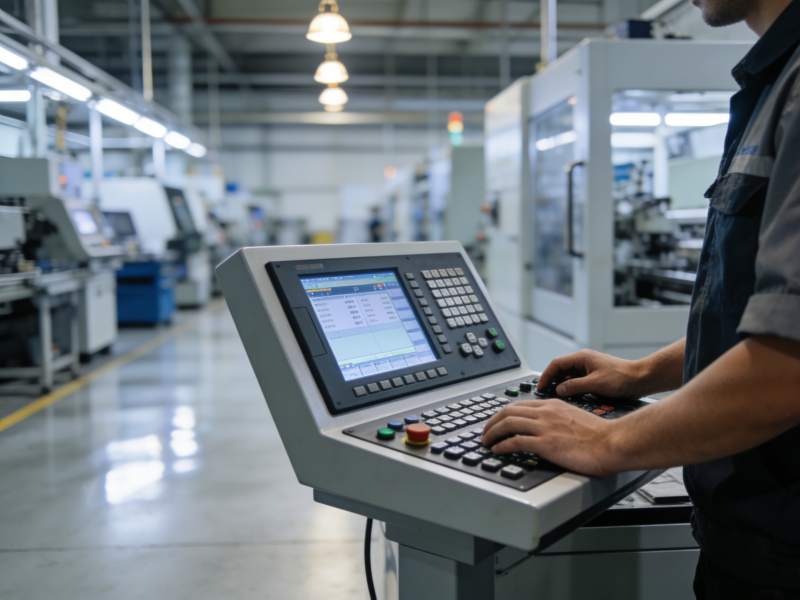
They combine rugged durability, heat resistance, and seamless functionality to deliver reliable control over pot lines, anode handling, and melt management. These displays let operators monitor temperature, adjust electrolysis parameters, and respond to alerts in real time—all while withstanding the smelter’s toughest conditions. Best of all, they integrate with existing smelting equipment, minimizing setup time and maximizing return on investment. Bài viết này chia nhỏ các tính năng cốt lõi của họ, lợi ích chính, smelter-specific applications, and FAQs to show how they transform aluminum smelting operations.
Core Features of Industrial Touch Displays for Aluminum Smelting
1. Extreme Heat & Corrosion Resistance for Smelting Environments
Heat and chemical corrosion are smelter enemies—these displays turn them into non-issues:
Phạm vi nhiệt độ hoạt động rộng: Functions reliably from -25°C to 75°C (-13°F to 167°F), ideal for pot rooms and casting areas.
Heat-dissipating aluminum housing: Finned casings draw heat away from internal components, preventing overheating.
Corrosion-resistant coatings: Protects against fluoride emissions and acidic fumes common in aluminum smelting.
High-temperature touch sensors: Industrial-grade capacitive sensors maintain responsiveness even near 1000°C reduction pots.
This heat and corrosion resistance ensures the displays stay operational in the smelter’s most punishing zones.
2. Bụi & Debris Sealing for Alumina Dust Protection
Fine alumina dust is everywhere in smelters—these displays keep it out:
IP67 front-panel protection: Fully sealed against fine alumina dust, metal particles, and airborne debris.
Hermetic edge gaskets: Reinforced seals block dust from seeping into ports and wiring, eliminating short circuits.
Trơn tru, non-stick surface: Lets operators wipe away dust and grime with a single swipe, no disassembly needed.
Dust-resistant cooling vents: Filtered openings prevent dust buildup in internal cooling systems.
This dust-sealing technology eliminates the #1 cause of display failures in aluminum smelters.
3. High-Visibility Displays for Glare-Prone Smelter Zones
Operators need clear visibility—even in bright, high-glare smelter environments:
1200+ nit high-brightness panels: Cuts through sunlight, furnace glow, and overhead lighting for easy readability.
Chống chói & lớp phủ chống phản chiếu: Minimizes reflections from molten aluminum and metal surfaces.
Độ tương phản cao, bold icons: Large text and symbols ensure quick recognition, even with protective eyewear.
Góc nhìn rộng: 178° horizontal and vertical viewing ranges for flexible installation near pots or casting lines.
This visibility lets operators read critical data at a glance, reducing response times and errors.
4. Seamless Integration with Smelting Control Systems
These displays fit right into your existing smelter infrastructure:
Compatibility with smelter PLCs: Works with Siemens, Allen-Bradley, and ABB systems—standard in aluminum smelting.
Hỗ trợ các giao thức công nghiệp: Integrates with Modbus, PROFINET, and Ethernet/IP for real-time data sync.
Thiết lập plug-and-play: Connects to existing wiring with minimal modifications, cutting installation downtime to hours.
Khả năng giám sát từ xa: Syncs with smelter management software for off-site oversight and troubleshooting.
This integration ensures the displays enhance your operations without disrupting production schedules.
5. Intuitive Gloved-Touch Operation for Smelter Workers
Smelter operators wear heavy gloves for safety—these displays work with them, not against them:
Tối ưu hóa cảm ứng khi đeo găng tay: Supports latex, nitrile, and thick industrial gloves, no need to remove handwear.
Simplified interface design: Focuses on critical functions (pot temperature, anode change alerts, melt levels) to reduce complexity.
Customizable alert settings: Triggers visual and audio alerts for temperature spikes, anode failures, and safety hazards.
One-tap emergency controls: Quick access to shutdown functions for immediate response to critical issues.
This user-centric design reduces training time and helps operators make fast, informed decisions.
Key Benefits of Industrial Touch Displays for Aluminum Smelting
1. Eliminate Downtime Caused by Display Failures
Display failures are a major smelter headache—these industrial models fix that:
Cắt giảm thời gian ngừng hoạt động ngoài kế hoạch bằng cách 80%: Heat and dust resistance prevent screen blackouts and touch unresponsiveness.
Kéo dài tuổi thọ màn hình: Lasts 5–7 years, vs. 1–2 years for standard commercial displays.
Giảm chi phí thay thế: Durable design lowers the frequency of costly display swaps.
Minimize production losses: Reliable controls keep pot lines and casting operations running 24/7.
This reliability translates directly to higher aluminum output and better bottom-line results.
2. Boost Workplace Safety for Smelter Operators
Safety is a top priority in smelters—these displays enhance it in every way:
Enable gloved operation: Operators keep protective gear on, reducing exposure to heat and chemicals.
Clear safety alerts: High-contrast notifications warn of fluoride leaks, pot malfunctions, and other hazards.
Remote monitoring options: Lets supervisors track operations from safe distances, reducing on-site risk.
One-tap emergency shutdowns: Quick access to critical controls prevents accidents from escalating.
This focus on safety protects your team and helps your smelter meet strict industry regulations.
3. Improve Smelting Precision & Product Quality
Precision controls equal high-quality aluminum—these displays deliver exactly that:
Accurate parameter adjustment: Fine-tune electrolysis voltage and current to optimize aluminum purity.
Real-time data tracking: Monitors pot temperature, anode consumption, and melt levels with 0.1°C precision.
Faster anode changeovers: Preset settings cut the time needed to swap anodes, reducing pot downtime.
Reduce scrap rates: Consistent controls minimize impurities and ensure uniform aluminum ingot quality.
This precision helps your smelter produce premium aluminum that commands top market prices.
4. Chi phí hoạt động dài hạn thấp hơn
These industrial displays are a smart investment for any smelter:
Cắt giảm chi phí bảo trì: Durable design reduces the need for frequent repairs and cleanings.
Save energy: Efficient components use less power than traditional displays, lowering utility bills.
Avoid costly system overhauls: Integrates with legacy equipment, eliminating the need for full control system replacements.
Scale easily: Works for small pot lines and large-scale smelters alike, supporting future expansion.
This cost-efficiency makes industrial touch displays a must-have for budget-conscious smelter operators.
Practical Applications for Aluminum Smelting Operations
1. Reduction Pot Line Control
For the heart of aluminum smelting—reduction pots where electrolysis happens:
Monitor pot temperature and voltage: Real-time displays track critical electrolysis parameters to prevent pot failures.
Anode change alerts: Notifies operators when anodes reach end-of-life, reducing unplanned downtime.
Fluoride level monitoring: Tracks emissions to ensure compliance with environmental regulations.
Pot current adjustment: One-tap controls let operators fine-tune current for optimal aluminum production.
2. Aluminum Casting & Ingots Production
For casting areas where molten aluminum becomes ingots or billets:
Melt temperature control: Maintains precise temperatures to ensure uniform casting quality.
Casting speed adjustment: Syncs with conveyor systems to match production demand.
Ingot weight tracking: Displays real-time weight data to minimize overpouring and waste.
Cooling system monitoring: Alerts operators to cooling failures that could damage cast products.
3. Anode Handling & BẢO TRÌ
For the heavy machinery that moves and maintains smelter anodes:
Crane and conveyor control: Intuitive touch controls for anode transport systems.
Anode coating monitoring: Tracks coating thickness to extend anode lifespan.
Maintenance scheduling alerts: Reminds teams of routine anode inspections and replacements.
Load capacity tracking: Prevents overloading of anode handling equipment.
4. Smelter Material & Inventory Management
For tracking the raw materials that power aluminum production:
Alumina feed rate control: Adjusts the flow of alumina into reduction pots for optimal electrolysis.
Carbon anode inventory tracking: Monitors stock levels to prevent production delays.
Molten aluminum storage monitoring: Tracks levels in holding furnaces to ensure continuous casting.
Waste material tracking: Logs sludge and scrap to optimize recycling and reduce waste.
FAQs About Industrial Touch Displays for Aluminum Smelting
Q1: Will these Industrial Touch Displays work with my existing smelter PLCs?
A1: Đúng! They integrate seamlessly with all major PLC systems used in aluminum smelting, bao gồm cả Siemens, Allen-Bradley, and ABB. They support standard industrial protocols for easy connectivity with zero disruptions to production.
Q2: How do these displays withstand the high temperatures in smelter pot rooms?
A2: They feature a wide operating temperature range (-25°C to 75°C) and heat-dissipating aluminum housings that draw heat away from internal components. The high-temperature touch sensors also maintain full responsiveness near hot reduction pots.
Q3: Can operators use these displays with heavy industrial gloves?
A3: Tuyệt đối! These displays are optimized for gloved operation, supporting thick industrial gloves commonly used in smelters. Operators never need to remove protective gear to adjust controls, boosting safety and efficiency.
Q4: Are these displays resistant to fluoride fumes and alumina dust?
A4: Đúng. They have IP67 front-panel protection to seal out fine alumina dust, plus corrosion-resistant coatings that guard against fluoride emissions and acidic smelter fumes. This design eliminates dust and chemical-related display failures.
Q5: Những bảo hành và hỗ trợ nào đi kèm với các Màn hình cảm ứng công nghiệp này?
A5: All models include a 3-year warranty covering heat resistance, dust sealing, và khả năng phản hồi của cảm ứng. Chúng tôi cũng cung cấp 24/7 hỗ trợ kỹ thuật, on-site installation guidance, and operator training to help your team maximize display performance.
Phần kết luận
Industrial Touch Displays are a game-changer for aluminum smelters, cung cấp đáng tin cậy, precise control in the industry’s harshest environments. They eliminate downtime caused by heat and dust, boost workplace safety, improve product quality, and lower long-term operational costs. Whether you run a small pot line or a large-scale smelting facility, these displays integrate seamlessly with your existing equipment to enhance every aspect of aluminum production.
Ready to upgrade your aluminum smelting operations with durable, high-performance Industrial Touch Displays? Điền vào biểu mẫu trên trang web của chúng tôi để kết nối với các chuyên gia công nghệ công nghiệp của chúng tôi. We’ll assess your smelter’s specific challenges, verify compatibility with your equipment, và đề xuất giải pháp tùy chỉnh phù hợp với nhu cầu sản xuất của bạn. Let’s optimize your smelter for maximum efficiency and profitability—start today!