
โรงไฟฟ้านิวเคลียร์ดำเนินงานในสภาพแวดล้อมที่มีความต้องการสูงและมีเดิมพันสูงที่สุดในโลก, ความปลอดภัยอยู่ที่ไหน, ความน่าเชื่อถือ, และการปฏิบัติตามข้อกำหนดไม่สามารถต่อรองได้. สารช่วยนิวเคลียร์—ระบบ เช่น ลูปการทำความเย็น, สถานีสูบน้ำ, หน่วยหล่อลื่น, และระบบสำรองฉุกเฉิน—คือฮีโร่ที่ไม่มีใครพูดถึงในการปฏิบัติงานของโรงงาน, รักษาการสนับสนุนที่สำคัญสำหรับฟังก์ชันหลักของเครื่องปฏิกรณ์. แต่หน้าจอ HMI มาตรฐานไม่สามารถตอบสนองความท้าทายเฉพาะของสภาพแวดล้อมทางนิวเคลียร์ได้: การได้รับรังสีทำให้ส่วนประกอบต่างๆ เสื่อมโทรม, อุณหภูมิที่สูงเกินไปทำให้เกิดการทำงานผิดปกติ, และการออกแบบที่ไม่เป็นไปตามข้อกำหนดอาจเสี่ยงต่อการละเมิดกฎระเบียบ. ความล้มเหลวเหล่านี้อาจนำไปสู่การหยุดทำงานโดยไม่ได้วางแผนไว้, โปรโตคอลความปลอดภัยที่ถูกบุกรุก, และความล่าช้าในการดำเนินงานของระบบเสริม หน้าจอ HMI อุตสาหกรรมที่ทนทานสำหรับตัวช่วยนิวเคลียร์ได้รับการออกแบบทางวิศวกรรมเพื่อเอาชนะความท้าทายที่สำคัญเหล่านี้.
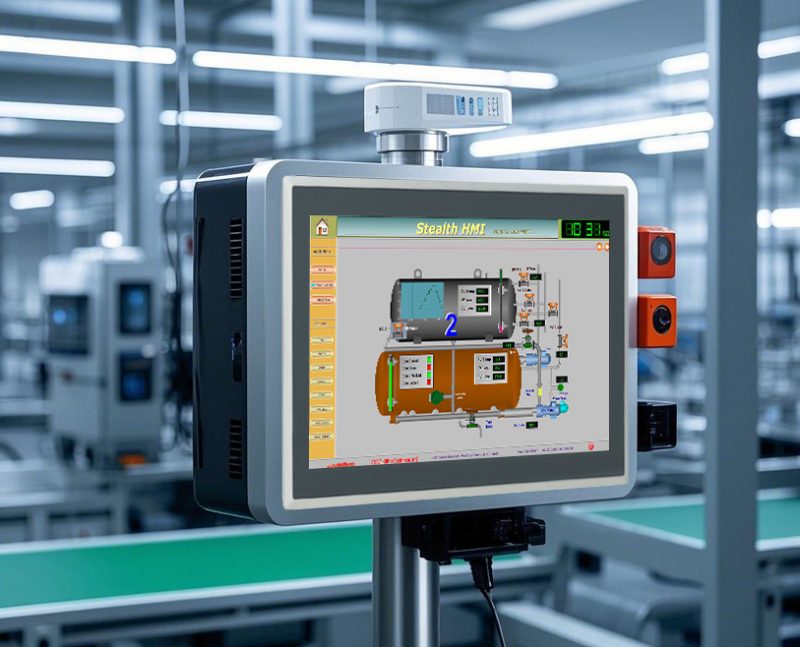
สร้างด้วยวัสดุกันรังสี, การปฏิบัติตามมาตรฐานอุตสาหกรรมนิวเคลียร์อย่างเข้มงวด, และโครงสร้างที่แข็งแรงทนทาน, หน้าจอ HMI เหล่านี้ให้การตรวจสอบและควบคุมระบบเสริมอย่างต่อเนื่อง แม้ในโซนโรงไฟฟ้านิวเคลียร์ที่เลวร้ายที่สุด. พวกเขารวบรวมข้อมูลจากปั๊มไว้ที่ศูนย์กลาง, วาล์ว, เซ็นเซอร์, และระบบสำรองข้อมูล, ให้ผู้ประกอบการทำได้อย่างรวดเร็ว, การตัดสินใจอย่างมีข้อมูลเพื่อรักษาความสมบูรณ์ของระบบเสริม. ไม่ว่าจะใช้งานในห้องกักกันเสริม, ห้องโถงกังหัน, หรือห้องทำความเย็นฉุกเฉิน, หน้าจอ HMI อุตสาหกรรมที่ทนทานเหล่านี้เป็นหัวใจสำคัญของความปลอดภัย, ปฏิบัติการเสริมนิวเคลียร์ที่มีประสิทธิภาพ. บทความนี้จะแจกแจงคุณสมบัติหลักของพวกเขา, ประโยชน์, การใช้งาน, และคำถามที่พบบ่อยเพื่อแสดงให้เห็นว่าพวกเขาปฏิวัติการควบคุมเสริมนิวเคลียร์อย่างไร.
คุณสมบัติหลักของหน้าจอ HMI อุตสาหกรรมที่ทนทานสำหรับตัวช่วยนิวเคลียร์
1. การออกแบบที่ต้านทานรังสีสำหรับสภาพแวดล้อมนิวเคลียร์
การได้รับรังสีเป็นภัยคุกคามที่ใหญ่ที่สุดต่อประสิทธิภาพของ HMI ในโรงไฟฟ้านิวเคลียร์ และตัวกรองเหล่านี้ถูกสร้างขึ้นมาให้ทนทานต่อรังสีดังกล่าว:
ความทนทานต่อรังสีแกมมา: ได้รับการจัดอันดับให้ทนทานได้ถึง 100 กิโลกิ (กิโลกรัม) ของรังสีแกมมา, เหมาะสำหรับโซนเสริมนิวเคลียร์คลาส 1E.
ส่วนประกอบที่ชุบแข็งด้วยรังสี: จอแสดงผล, เซ็นเซอร์สัมผัส, และแผงวงจรใช้วัสดุที่ทนต่อรังสีเพื่อป้องกันการเสื่อมสภาพหรือความล้มเหลว.
สารเคลือบต่อต้านวัย: การรักษาพื้นผิวแบบพิเศษต้านทานการเกิดสีเหลืองและความเปราะบางจากการสัมผัสรังสีในระยะยาว.
เปลือกปิดผนึก: เคสที่ปิดสนิทป้องกันฝุ่นหรืออนุภาคกัมมันตภาพรังสีไม่ให้เข้าไปและสร้างความเสียหายให้กับส่วนประกอบภายใน.
ความต้านทานต่อรังสีนี้ช่วยให้มั่นใจได้ว่าหน้าจอ HMI จะคงฟังก์ชันการทำงานเต็มรูปแบบไว้ได้ 10+ ปีในสภาพแวดล้อมเสริมนิวเคลียร์.
2. การปฏิบัติตามมาตรฐานอุตสาหกรรมนิวเคลียร์อย่างเข้มงวด
โรงงานนิวเคลียร์ต้องเผชิญกับข้อกำหนดด้านกฎระเบียบที่เข้มงวด และตัวกรองเหล่านี้มีคุณสมบัติตรงหรือเกินกว่าข้อกำหนดดังกล่าว:
การรับรองคลาส 1E: สอดคล้องกับมาตรฐาน IEEE 387, อีอีอี 1219, และไออีซี 61508 มาตรฐานอุปกรณ์ไฟฟ้าด้านความปลอดภัยในโรงไฟฟ้านิวเคลียร์.
กสท, อีปรี, และการปฏิบัติตามข้อกำหนดของ IAEA: ตรงตามหลักเกณฑ์จากหน่วยงานกำกับดูแลด้านนิวเคลียร์ระดับโลกสำหรับการออกแบบ, ผลงาน, และเอกสารประกอบ.
คุณสมบัติด้านสิ่งแวดล้อม (อีคิว) การทดสอบ: ผ่านอุณหภูมิที่รุนแรง, ความชื้น, การสั่นสะเทือน, และการทดสอบแรงกระแทกเพื่อพิสูจน์ความน่าเชื่อถือในสภาวะหลังเกิดอุบัติเหตุ.
เอกสารพร้อมการตรวจสอบ: จัดทำรายงานการตรวจสอบย้อนกลับฉบับสมบูรณ์, ใบรับรองวัสดุ, และบันทึกการปฏิบัติตามข้อกำหนดสำหรับการตรวจสอบตามกฎระเบียบ.
การปฏิบัติตามข้อกำหนดนี้ช่วยลดความเสี่ยงด้านกฎระเบียบและรับประกันการบูรณาการเข้ากับระบบเสริมนิวเคลียร์ได้อย่างราบรื่น.
3. ทนทาน, ความทนทานต่อสภาพแวดล้อมขั้นสุด
โซนเสริมนิวเคลียร์มีความรุนแรง—และตะแกรงเหล่านี้ได้รับการออกแบบทางวิศวกรรมให้ทนทาน:
ช่วงอุณหภูมิกว้าง: ทำงานได้อย่างน่าเชื่อถือตั้งแต่ -40°C ถึง 85°C (-40°F ถึง 185°F), ติดตั้งห้องทำความเย็นเสริมแช่แข็งและห้องกังหันความร้อนสูง.
ฝุ่น IP68 & ต้านทานน้ำ: จุ่มลงในน้ำได้เต็มที่ (ขึ้นไป 1.5 เมตรเพื่อ 30 นาที) และกันฝุ่น, เหมาะสำหรับพื้นที่เสริมที่เกิดน้ำท่วม.
ช็อก & ความต้านทานการสั่นสะเทือน: ทนต่อแรงกระแทก 10G และการสั่นสะเทือนต่อเนื่อง 5G (ต่อ MIL-STD-810) จากการทำงานของปั๊มและการสตาร์ทอุปกรณ์.
ความต้านทานการกัดกร่อน: โครงสเตนเลสสตีลและการเคลือบป้องกันสารเคมีช่วยป้องกันน้ำหล่อเย็นหกใส่, น้ำมันหล่อลื่น, และสารทำความสะอาดที่มีฤทธิ์รุนแรง.
รับประกันความทนทานนี้ 24/7 การดำเนินการ, แม้ในสภาพแวดล้อมเสริมนิวเคลียร์ที่รุนแรงที่สุด.
4. การตรวจสอบระบบเสริมแบบเรียลไทม์ & ควบคุม
หน้าจอเหล่านี้ให้ความแม่นยำ, ข้อมูลที่สามารถดำเนินการได้สำหรับการจัดการระบบเสริม:
การติดตามตัวชี้วัดที่สำคัญ: ตรวจสอบแรงดันปั๊ม, ตำแหน่งวาล์ว, อัตราการไหลของน้ำหล่อเย็น, อุณหภูมิ, และการใช้พลังงานแบบเรียลไทม์.
ระบบเตือนภัยด้วยรหัสสี: คำเตือนด้วยภาพ/เสียงสำหรับปัญหาร้ายแรง (เช่น, “การไหลของน้ำหล่อเย็นลดลง,“ปั๊มร้อนเกินไป,” “วาล์วทำงานผิดปกติ”) โดยมีลำดับความสำคัญ.
ฟังก์ชั่นการควบคุมด้วยการแตะเพียงครั้งเดียว: ใช้งานวาล์ว, เริ่ม/หยุดปั๊ม, และเปิดใช้งานระบบสำรองข้อมูลด้วยสัมผัสเดียว, ลดเวลาตอบสนองในกรณีฉุกเฉิน.
การบันทึกข้อมูลในอดีต: เก็บ 5+ ข้อมูลระบบเสริมหลายปีสำหรับการวิเคราะห์แนวโน้ม, การวางแผนการบำรุงรักษา, และการรายงานการปฏิบัติตามข้อกำหนด.
การควบคุมระดับนี้ทำให้มั่นใจได้ว่าผู้ปฏิบัติงานสามารถแก้ไขปัญหาได้ก่อนที่จะส่งผลกระทบต่อประสิทธิภาพของระบบเสริมหรือความปลอดภัยของเครื่องปฏิกรณ์.
5. การบูรณาการอย่างราบรื่นกับระบบเสริมนิวเคลียร์
พวกเขาเชื่อมต่อกับโครงสร้างพื้นฐานที่มีอยู่ของคุณเพื่อหลีกเลี่ยงการหยุดชะงักในการดำเนินงาน:
ความเข้ากันได้กับอุปกรณ์เสริม: ทำงานร่วมกับปั๊ม, วาล์ว, เซ็นเซอร์, และระบบควบคุมจากซัพพลายเออร์นิวเคลียร์ชั้นนำ (เวสติ้งเฮาส์, อารีวา, จีอี ฮิตาชิ).
การบูรณาการ SCADA/ICS: ซิงค์กับการควบคุมดูแลทั่วทั้งโรงงานและการเก็บข้อมูล (สกาด้า) ระบบและระบบควบคุมอุตสาหกรรม (ไอซีซี) เพื่อให้มองเห็นได้ทั่วถึง.
โปรโตคอลการสื่อสารที่เกี่ยวข้องกับความปลอดภัย: สนับสนุนไออีซี 61850, Modbus TCP (ได้รับการจัดอันดับความปลอดภัย), และ Ethernet/IP เพื่อความปลอดภัย, การถ่ายโอนข้อมูลที่เสถียรในโซนวิกฤติ.
พลังที่ซ้ำซ้อน & การสื่อสาร: แหล่งจ่ายไฟคู่และการเชื่อมต่อเครือข่ายสำรองช่วยให้มั่นใจได้ว่าการทำงานจะต่อเนื่องหากระบบใดระบบหนึ่งล้มเหลว.
ประโยชน์หลักสำหรับผู้ประกอบกิจการโรงไฟฟ้านิวเคลียร์
1. เพิ่มความปลอดภัย & ลดความเสี่ยงจากอุบัติเหตุ
ความปลอดภัยถือเป็นสิ่งสำคัญสูงสุดในโรงไฟฟ้านิวเคลียร์ และตัวกรอง HMI เหล่านี้ก็เสริมความแข็งแกร่งให้กับโรงงาน:
ป้องกันความล้มเหลวของระบบเสริม: การตรวจสอบแบบเรียลไทม์และการออกแบบที่ทนต่อรังสีช่วยลดความเสี่ยงของการหยุดทำงานที่เกี่ยวข้องกับ HMI ในระบบสนับสนุนที่สำคัญ.
เร่งการตอบสนองฉุกเฉิน: การควบคุมด้วยการแตะเพียงครั้งเดียวและการเตือนที่ชัดเจนช่วยให้ผู้ปฏิบัติงานเปิดใช้งานระบบสำรองข้อมูลได้ (เช่น, การระบายความร้อนฉุกเฉิน) ในไม่กี่วินาที.
ตรวจสอบให้แน่ใจว่าปฏิบัติตามระเบียบการด้านความปลอดภัย: อินเตอร์ล็อคนิรภัยในตัวป้องกันการทำงานของอุปกรณ์เสริมที่สำคัญโดยไม่ได้รับอนุญาต.
ลดการสัมผัสของช่างเทคนิค: การตรวจสอบและควบคุมระยะไกลช่วยให้พนักงานจัดการระบบเสริมจากพื้นที่ปลอดภัย, ลดเวลาในโซนที่มีรังสีสูง.
2. ปรับปรุงความน่าเชื่อถือในการปฏิบัติงาน & ลดการหยุดทำงาน
การหยุดทำงานโดยไม่ได้วางแผนในระบบเสริมนิวเคลียร์มีค่าใช้จ่ายสูง และการคัดกรองเหล่านี้ก็ช่วยขจัดปัญหาดังกล่าว:
99.99% รับประกันความพร้อมใช้งาน: ส่วนประกอบที่ทนทานต่อรังสีและทนทานช่วยให้มั่นใจได้ถึงประสิทธิภาพ HMI อย่างต่อเนื่อง, แม้ในสภาวะที่ไม่เอื้ออำนวย.
ลดการหยุดทำงานที่ไม่ได้วางแผนไว้โดย 50%: การตรวจจับข้อผิดพลาดตั้งแต่เนิ่นๆ ในระบบเสริมช่วยให้ผู้ปฏิบัติงานกำหนดเวลาการบำรุงรักษาได้ก่อนที่จะเกิดความล้มเหลว.
ยืดอายุการใช้งานของอุปกรณ์: การควบคุมปั๊มอย่างเหมาะสมที่สุด, วาล์ว, และระบบระบายความร้อนช่วยลดการสึกหรอ, ยืดอายุการดำเนินงาน.
ลดค่าใช้จ่ายในการบำรุงรักษา: การออกแบบที่ทนทานและเครื่องมือวินิจฉัยตัวเองช่วยลดความจำเป็นในการซ่อมแซมหรือเปลี่ยนชิ้นส่วนบ่อยครั้ง.
3. ลดความซับซ้อนในการปฏิบัติตามข้อกำหนด & การรายงานตามกฎระเบียบ
การปฏิบัติตามกฎระเบียบด้านนิวเคลียร์มีความซับซ้อน และหลักเกณฑ์เหล่านี้จะช่วยปรับปรุงประสิทธิภาพ:
บันทึกการปฏิบัติตามข้อกำหนดอัตโนมัติ: สร้างรายงานที่พร้อมสำหรับการตรวจสอบสำหรับประสิทธิภาพของระบบเสริม, การกระทำของผู้ปฏิบัติงาน, และสถานะอุปกรณ์.
ติดตามได้เต็มรูปแบบ: ติดตามการเปลี่ยนแปลงและกิจกรรมการบำรุงรักษาที่เกี่ยวข้องกับ HMI ทั้งหมดสำหรับการตรวจสอบตามกฎระเบียบ.
ลดความซับซ้อนของการทดสอบ EQ: การออกแบบที่ผ่านการรับรองล่วงหน้าช่วยลดเวลาและค่าใช้จ่ายในการทดสอบคุณสมบัติด้านสิ่งแวดล้อมสำหรับการติดตั้งใหม่.
ทันสมัยด้วยมาตรฐาน: การอัพเดตเฟิร์มแวร์เป็นประจำช่วยให้มั่นใจได้ว่าจะปฏิบัติตามกฎระเบียบด้านนิวเคลียร์ที่กำลังพัฒนาอย่างต่อเนื่อง.
4. เพิ่มประสิทธิภาพของระบบเสริมให้เหมาะสม
การดำเนินงานเสริมที่มีประสิทธิภาพช่วยลดต้นทุนและปรับปรุงประสิทธิภาพของโรงงาน:
เพิ่มประสิทธิภาพการใช้พลังงาน: ตรวจสอบและปรับความเร็วของปั๊มและพัดลมเพื่อลดการใช้พลังงานในระบบเสริม.
ลดของเสียจากน้ำหล่อเย็นให้เหลือน้อยที่สุด: การควบคุมอัตราการไหลที่แม่นยำในลูปการทำความเย็นช่วยลดการสูญเสียน้ำและต้นทุนการบำบัด.
ปรับปรุงการวางแผนการบำรุงรักษา: การแจ้งเตือนเชิงคาดการณ์เกี่ยวกับการสึกหรอของอุปกรณ์ช่วยให้ผู้ปฏิบัติงานกำหนดเวลาการบำรุงรักษาในระหว่างที่ไฟฟ้าดับตามแผนที่วางไว้, หลีกเลี่ยงการหยุดทำงานโดยไม่ได้วางแผน.
รวมศูนย์การควบคุม: จัดการระบบเสริมหลายระบบจากหน้าจอ HMI หน้าจอเดียว, ลดภาระงานของผู้ปฏิบัติงานและปรับปรุงประสิทธิภาพ.
การใช้งานจริงสำหรับโซนเสริมนิวเคลียร์ต่างๆ
1. ห้องเสริมกักกัน
สำหรับระบบเสริมภายในภาชนะบรรจุเครื่องปฏิกรณ์ (เช่น, การระบายความร้อนฉุกเฉิน, บรรเทาความดัน):
ตรวจสอบและควบคุมระบบสเปรย์บรรจุและปั๊มน้ำหล่อเย็นฉุกเฉิน.
ติดตามความดันและอุณหภูมิในภาชนะบรรจุเพื่อป้องกันแรงดันเกิน.
เปิดใช้งานระบบสำรองข้อมูลจากระยะไกลเพื่อหลีกเลี่ยงไม่ให้ช่างเทคนิคเข้าไปในโซนกักกันรังสีสูง.
2. ตัวช่วยกังหันฮอลล์
สำหรับระบบเสริมที่รองรับการทำงานของกังหัน (เช่น, การหล่อลื่น, ระบายความร้อน, ปั๊มคอนเดนเสท):
ตรวจสอบแรงดันและอุณหภูมิน้ำมันหล่อลื่นเพื่อป้องกันความเสียหายของกังหัน.
ควบคุมปั๊มคอนเดนเสทและการไหลของน้ำหล่อเย็นเพื่อเพิ่มประสิทธิภาพกังหัน.
ซิงค์กับระบบควบคุมกังหันเพื่อการประสานงานระหว่างกังหันเสริมและกังหันได้อย่างราบรื่น.
3. ห้องเครื่องกำเนิดไฟฟ้าดีเซลฉุกเฉิน
สำหรับระบบเสริมกำลังสำรอง (เช่น, เครื่องกำเนิดไฟฟ้าดีเซล, ระบบเชื้อเพลิง, ระบายความร้อน):
ตรวจสอบสถานะเครื่องกำเนิดไฟฟ้า, ระดับน้ำมันเชื้อเพลิง, และประสิทธิภาพของระบบทำความเย็น.
เปิดใช้งานเครื่องกำเนิดไฟฟ้าฉุกเฉินด้วยการแตะเพียงครั้งเดียวในระหว่างที่ไฟฟ้าขัดข้อง.
ติดตามกำหนดการบำรุงรักษาเครื่องกำเนิดไฟฟ้าเพื่อให้แน่ใจว่าพร้อมเมื่อจำเป็น.
4. ตัวช่วยสระว่ายน้ำเชื้อเพลิงที่ใช้แล้ว
สำหรับระบบเสริมที่รักษาความปลอดภัยของบ่อเชื้อเพลิงใช้แล้ว (เช่น, ปั๊มทำความเย็น, การไหลเวียนของน้ำ):
ตรวจสอบอุณหภูมิสระน้ำ, ระดับน้ำ, และอัตราการไหลของการไหลเวียนแบบเรียลไทม์.
ควบคุมปั๊มทำความเย็นเพื่อป้องกันความร้อนสูงเกินไปของแท่งเชื้อเพลิงที่ใช้แล้ว.
ส่งสัญญาณเตือนระดับน้ำต่ำหรือการไหลลดลงเพื่อหลีกเลี่ยงความเสียหายของก้านเชื้อเพลิง.
คำถามที่พบบ่อยเกี่ยวกับหน้าจอ HMI อุตสาหกรรมที่ทนทานสำหรับตัวช่วยนิวเคลียร์
ไตรมาสที่ 1: หน้าจอ HMI เหล่านี้เข้ากันได้กับอุปกรณ์เสริมนิวเคลียร์ที่มีอยู่ของเราหรือไม่?
A1: ใช่! เข้ากันได้กับแบรนด์ระบบเสริมชั้นนำทั้งหมด (เวสติ้งเฮาส์, อารีวา, จีอี ฮิตาชิ) และสนับสนุนโปรโตคอลการสื่อสารนิวเคลียร์มาตรฐาน (ไออีซี 61850, Modbus TCP ได้รับการจัดอันดับความปลอดภัย). ทีมของเราตรวจสอบความเข้ากันได้ระหว่างการตั้งค่าเพื่อให้แน่ใจว่าสามารถบูรณาการได้อย่างราบรื่น.
ไตรมาสที่ 2: หน้าจอเหล่านี้สามารถทนต่อรังสีได้ระดับใด?
A2: พวกเขาได้รับการจัดอันดับให้ทนทานได้ถึง 100 kGy ของรังสีแกมมา, ซึ่งตรงตามข้อกำหนดสำหรับโซนเสริมนิวเคลียร์คลาส 1E. ส่วนประกอบทั้งหมดผ่านการชุบแข็งด้วยรังสีเพื่อป้องกันการเสื่อมสภาพเมื่อเวลาผ่านไป.
ไตรมาสที่ 3: ตะแกรงเป็นไปตามมาตรฐานการควบคุมนิวเคลียร์ทั่วโลกหรือไม่?
A3: อย่างแน่นอน. สอดคล้องกับมาตรฐาน IEEE 387, อีอีอี 1219, ไออีซี 61508, กสท, อีปรี, และมาตรฐานไอเออีเอ. อีกทั้งยังมีคุณสมบัติด้านสิ่งแวดล้อมครบถ้วนอีกด้วย (อีคิว) เอกสารการทดสอบสำหรับการตรวจสอบตามกฎระเบียบ.
ไตรมาสที่ 4: ผู้ปฏิบัติงานสามารถควบคุมระบบเสริมจากระยะไกลจากหน้าจอ HMI เหล่านี้ได้?
A4: ใช่. หน้าจอรองรับการตรวจสอบและควบคุมระยะไกลผ่านระบบรักษาความปลอดภัย, เครือข่ายซ้ำซ้อน. ผู้ปฏิบัติงานสามารถจัดการระบบเสริมได้จากพื้นที่ปลอดภัย, ลดการสัมผัสกับโซนที่มีรังสีสูง.
คำถามที่ 5: การรับประกันที่มาพร้อมกับหน้าจอ HMI อุตสาหกรรมที่ทนทานสำหรับตัวช่วยนิวเคลียร์?
A5: ทุกรุ่นมีการรับประกัน 5 ปีซึ่งครอบคลุมถึงข้อบกพร่องของฮาร์ดแวร์, ความต้านทานรังสี, และประเด็นการปฏิบัติตามกฎระเบียบ. การรับประกันขยายเวลาอีก 10 ปีมีให้สำหรับการใช้งานเสริมที่สำคัญ, กับ 24/7 การสนับสนุนทางเทคนิคและบริการซ่อมแซมนอกสถานที่.
บทสรุป
หน้าจอ HMI อุตสาหกรรมที่ทนทานสำหรับตัวช่วยนิวเคลียร์เป็นการลงทุนที่สำคัญสำหรับโรงไฟฟ้านิวเคลียร์ที่ให้ความสำคัญกับความปลอดภัย, ความน่าเชื่อถือ, และการปฏิบัติตาม. การออกแบบที่ทนต่อรังสี, การปฏิบัติตามกฎระเบียบที่เข้มงวด, และโครงสร้างที่ทนทานทำให้เหมาะสำหรับโซนเสริมนิวเคลียร์ที่รุนแรงที่สุด ตั้งแต่ห้องกักกันไปจนถึงเครื่องกำเนิดไฟฟ้าฉุกเฉิน. โดยรวมศูนย์การตรวจสอบและควบคุมระบบเสริม, หน้าจอเหล่านี้ช่วยลดเวลาหยุดทำงาน, เพิ่มความปลอดภัย, และลดความซับซ้อนในการปฏิบัติตาม, ทำให้มั่นใจว่าตัวช่วยนิวเคลียร์จะทำงานด้วยประสิทธิภาพสูงสุดเพื่อรองรับการทำงานของแกนเครื่องปฏิกรณ์.
พร้อมอัพเกรดระบบเสริมนิวเคลียร์ของคุณให้มีความน่าเชื่อถือ, หน้าจอ HMI อุตสาหกรรมที่ทนทานตามมาตรฐาน? กรอกแบบฟอร์มบนเว็บไซต์ของเราเพื่อติดต่อกับผู้เชี่ยวชาญด้านเทคโนโลยีอุตสาหกรรมนิวเคลียร์ของเรา. เราจะประเมินความต้องการของระบบเสริมของคุณ, ตรวจสอบความเข้ากันได้กับอุปกรณ์ที่มีอยู่ของคุณ, และแนะนำโซลูชันที่ปรับแต่งให้ตรงตามความต้องการด้านความปลอดภัยและการปฏิบัติงานของคุณ. มาเสริมสร้างความปลอดภัยและประสิทธิภาพของโรงไฟฟ้านิวเคลียร์ของคุณกันเถอะ เริ่มตั้งแต่วันนี้!