Systemy energii słonecznej przodują w dziedzinie zrównoważonej energii, ale nieefektywne sterowanie sprzętem może obniżyć wydajność. Tradycyjne tarcze, rozłączone dane, lub delikatne interfejsy prowadzą do utraty energii, opóźniona konserwacja, i utracone możliwości optymalizacji. Problemy te zmniejszają rentowność farm fotowoltaicznych, wydłużyć przestoje, i ograniczyć pełny potencjał inwestycji w energię odnawialną. Przemysłowe ekrany HMI do sterowania urządzeniami solarnymi rozwiązują te krytyczne wyzwania.
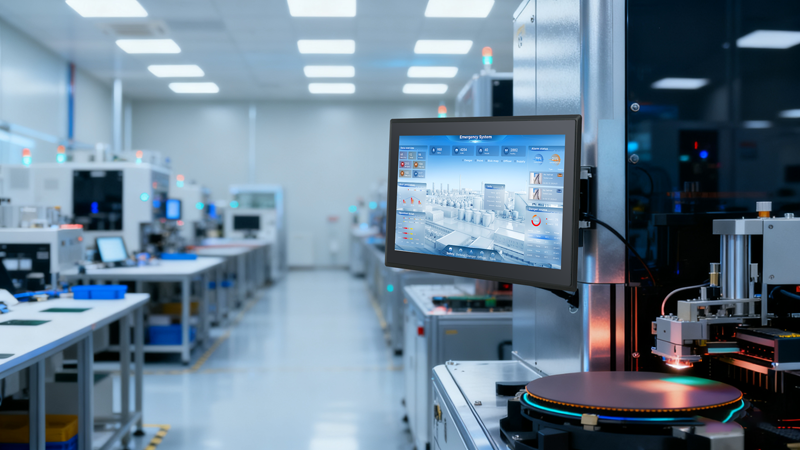
Zaprojektowane specjalnie dla środowisk fotowoltaicznych — od paneli dachowych po farmy na skalę przemysłową — ekrany te centralizują sterowanie falownikami, trackery, baterie, i czujniki. Są zbudowane tak, aby wytrzymać ekstremalne warunki pogodowe, Ekspozycja na promieniowanie UV, i ciągłą eksploatację, zapewniając niezawodną wydajność 24/7. Niezależnie od tego, czy zarządzasz małym systemem komercyjnym, czy dużą farmą fotowoltaiczną, te przemysłowe ekrany HMI przekształcają fragmentaryczne urządzenia słoneczne w skoordynowane, wydajna sieć. W tym artykule omówiono ich najważniejsze funkcje, korzyści, aplikacje, oraz często zadawane pytania, aby pokazać, jak rewolucjonizują one zarządzanie energią słoneczną.
Podstawowe cechy przemysłowych ekranów HMI do sterowania urządzeniami solarnymi
1. Monitorowanie wydajności energii słonecznej w czasie rzeczywistym & Kontrola
Efektywność wykorzystania energii słonecznej zaczyna się od widoczności, a te ekrany dostarczają przydatnych informacji:
Kompleksowe śledzenie danych: Monitoruj natężenie promieniowania słonecznego, wyjście falownika, poziomy przechowywania baterii, i zużycia energii w czasie rzeczywistym.
Scentralizowana kontrola sprzętu: Dostosuj trackery słoneczne (azymut/pochylenie), ustawienia falownika, oraz ładowanie/rozładowywanie baterii jednym dotknięciem.
Alerty dotyczące wydajności: Ostrzeżenia wizualne i dźwiękowe w przypadku problemów takich jak „Niskie natężenie promieniowania,” „Usterka falownika,” lub „Przeładowanie akumulatora”, aby zapobiec utracie energii.
Konfigurowalne pulpity nawigacyjne: Dostosuj widoki danych, aby nadać priorytet KPI (np., „Dzienna produkcja energii,„Wydajność systemu”) dla operatorów lub zainteresowanych stron.
Ten poziom kontroli gwarantuje, że energia nie będzie marnowana, a problemy zostaną rozwiązane, zanim wpłyną one na wydajność.
2. Odporny na warunki atmosferyczne & Wytrzymała konstrukcja klasy solarnej
Środowisko słoneczne jest trudne — a te ekrany są zbudowane tak, aby wytrzymać:
Odporność na kurz i wodę IP65/IP67: Uszczelnione obudowy blokują deszcz, pył, oraz gruz z zewnętrznych farm fotowoltaicznych lub instalacji na dachach.
Tolerancja na promieniowanie UV i temperaturę: Wytrzymują bezpośrednie działanie promieni słonecznych (Ocena UV50+) i ekstremalne temperatury od -30°C do 70°C (-22°F do 158°F), pasujące do pustyń lub zimnego klimatu.
Przeciwodblaskowy, wyświetlacze o wysokiej jasności: 1200+ Jasność nitów zapewnia czytelność w bezpośrednim świetle słonecznym, krytyczne dla monitorowania na zewnątrz.
Odporność na wstrząsy i wibracje: Wzmocnione ramy radzą sobie z wibracjami wiatru, skutki gradu, i nierówności związane z konserwacją.
3. Bezproblemowa integracja z systemami fotowoltaicznymi & Oprogramowanie
Łączą się z istniejącą infrastrukturą fotowoltaiczną, aby uniknąć zakłóceń:
Kompatybilność z urządzeniami solarnymi: Współpracuje z falownikami (SMA, Froniusz, Huaweia), trackery (Następny tracker, Technologie macierzowe), i BMS-a (Systemy zarządzania akumulatorami).
Integracja oprogramowania solarnego: Synchronizuj z platformami monitorującymi (Monitorowanie SolarEdge, Enphase Oświecenie) i systemy zarządzania energią (EMS) dla widoczności od końca do końca.
Wiele protokołów komunikacyjnych: Obsługa protokołu Modbus TCP, Ethernet/IP, i MQTT dla stabilnego przesyłania danych w sieciach fotowoltaicznych.
Łączność w chmurze: Przesyłaj dane do serwerów w chmurze w celu uzyskania zdalnego dostępu, analiza historyczna, i raportowanie wyników.
4. Przyjazny dla użytkownika interfejs & Zdalne zarządzanie
Operacje słoneczne wymagają prostoty, elastyczne narzędzia — a te ekrany to zapewniają:
Intuicyjna nawigacja: Duże ikony i przejrzyste etykiety skracają czas szkolenia, nawet dla personelu nietechnicznego.
Kompatybilność w rękawiczkach: Zwiększona czułość dotyku współpracuje z rękawicami roboczymi, aby zespoły konserwacyjne mogły obsługiwać przesiewacze w terenie.
Możliwości zdalnego dostępu: Monitoruj i kontroluj urządzenia fotowoltaiczne z urządzeń zewnętrznych (laptopy, tabletki) poprzez bezpieczne połączenia w chmurze.
Funkcjonalność offline: Przechowuj dane lokalnie w przypadku utraty połączenia z Internetem, następnie synchronizuj automatycznie po przywróceniu – ma to kluczowe znaczenie w przypadku zdalnych farm fotowoltaicznych.
Kluczowe korzyści dla systemów energii słonecznej
1. Zwiększ produkcję energii & Wydajność systemu
Liczy się każda kilowatogodzina, a te ekrany maksymalizują potencjał energii słonecznej:
Zwiększ uzysk energii o 8–12%: Optymalizuj położenie trackerów słonecznych i ustawienia falownika w oparciu o dane dotyczące natężenia promieniowania w czasie rzeczywistym.
Zmniejsz straty energii: Zapobiegaj przeładowaniu/rozładowaniu akumulatorów i dostosuj sprzęt, aby uniknąć trybów pracy o niskiej wydajności.
Minimalizuj przestoje: Szybkie wykrywanie usterek skraca czas rozwiązywania problemów 60%, zapewniając dłuższą pracę systemów z maksymalną wydajnością.
Zoptymalizuj wykorzystanie pamięci: Zrównoważ ładowanie akumulatora z zapotrzebowaniem sieci, aby zmaksymalizować zużycie własne i zmniejszyć koszty mediów.
2. Uprość konserwację & Zmniejsz koszty
Konserwacja instalacji fotowoltaicznej jest kosztowna — te ekrany usprawniają konserwację:
Alerty dotyczące konserwacji predykcyjnej: Identyfikacja degradacji sprzętu (np., „Spadek wydajności falownika”) zanim wystąpią awarie, ograniczenie napraw awaryjnych.
Skróć czas konserwacji o 40%: Scentralizowane dane i zdalna diagnostyka eliminują potrzebę kontroli każdego elementu na miejscu.
Przedłuż żywotność sprzętu: Prawidłowo skalibrowane elementy sterujące (np., wyrównanie trackera, zarządzanie baterią) zmniejszyć zużycie falowników i akumulatorów.
Niższe koszty pracy: Zdalne zarządzanie umożliwia zespołom monitorowanie wielu instalacji fotowoltaicznych z jednej lokalizacji, zmniejszenie kosztów podróży.
3. Zwiększ bezpieczeństwo & Zgodność
Systemy fotowoltaiczne wymagają rygorystycznych norm bezpieczeństwa, a te ekrany potwierdzają zgodność:
Zabezpieczenia elektryczne: Funkcje blokowania/oznaczania zapobiegają przypadkowemu uruchomieniu sprzętu podczas konserwacji.
Raportowanie zgodności: Automatycznie generuj dzienniki zgodnie ze standardami regulacyjnymi (np., IEC 61215 do paneli słonecznych, NEC 690 do okablowania) uprościć audyty.
Ochrona przed ogniem i przegrzaniem: Alerty dotyczące „przegrzania falownika” lub „niestabilności termicznej akumulatora” zmniejszają zagrożenia bezpieczeństwa.
Kontrola dostępu: Ogranicz dostosowywanie systemu do autoryzowanych użytkowników, zapewnienie bezpieczeństwa, zgodne działanie.
4. Popraw zwrot z inwestycji & Rentowność farm słonecznych
Ekrany te zapewniają wymierne zyski finansowe:
Szybsze okresy zwrotu: Zwiększona produkcja energii i obniżone koszty konserwacji skracają czas zwrotu z inwestycji o 1–2 lata.
Podejmowanie decyzji w oparciu o dane: Historyczne dane dotyczące wydajności pomagają identyfikować panele lub macierze o słabszych wynikach w celu przeprowadzenia ukierunkowanych modernizacji.
Obniżone rachunki za media: Optymalizuj własne zużycie energii słonecznej, zmniejszenie zależności od mocy sieciowej.
Przejrzyste raportowanie interesariuszy: Generuj automatyczne raporty wyników dla inwestorów, narzędzia, lub zachęty rządowe.
Praktyczne zastosowania dla różnych instalacji fotowoltaicznych
1. Farmy słoneczne na skalę użytkową
Do dużych projektów fotowoltaicznych (10MW+):
Monitorowanie wielu macierzy: Zarządzaj setkami falowników, trackery, i akumulatory z jednego pulpitu sterowniczego.
Narzędzia integracji sieci: Synchronizuj moc wyjściową z zapotrzebowaniem sieci, aby uniknąć ograniczeń i zmaksymalizować stawki gwarantowane.
Mapowanie danych geograficznych: Wizualizuj wydajność w różnych strefach farmy, aby zidentyfikować różnice w natężeniu promieniowania.
2. Handlowy & Przemysłowy (C&I) Słoneczne dachy
Dla firm, fabryki, lub magazyny:
Zarządzanie obciążeniem: Zrównoważyć wytwarzanie energii słonecznej ze zużyciem energii na miejscu, aby zmniejszyć opłaty za szczytowe zapotrzebowanie.
Kontrola przechowywania baterii: Zoptymalizuj zasilanie rezerwowe dla krytycznych operacji podczas awarii sieci.
Integracja rachunków za media: Śledź oszczędności energii słonecznej w porównaniu z kosztami sieci, aby wykazać zwrot z inwestycji dla właścicieli firm.
3. Mieszkaniowe systemy słoneczne (Rozwój na dużą skalę)
Dla zespołów mieszkaniowych lub wspólnot mieszkaniowych:
Wspólne monitorowanie systemu: Zarządzaj scentralizowaną instalacją fotowoltaiczną i dystrybuuj energię do wielu domów.
Narzędzia do fakturowania i alokacji: Śledź zużycie energii na gospodarstwo domowe, aby zapewnić sprawiedliwy podział kosztów.
Uproszczona konserwacja: Identyfikuj problemy z pojedynczymi panelami lub falownikami bez zakłócania pracy całego systemu.
4. Instalacje fotowoltaiczne poza siecią
Dla odległych lokalizacji (kabiny, wieże telekomunikacyjne, społeczności wiejskie):
Optymalizacja zarządzania baterią: Wydłuż żywotność baterii, zapobiegając przeładowaniu/nadmiernemu rozładowaniu w izolowanych systemach.
Praca przy niskim poborze mocy: Ekrany zużywają minimalną ilość energii, idealny do konfiguracji poza siecią z ograniczoną pamięcią masową.
Zdalne rozwiązywanie problemów: Diagnozuj problemy na odległość, aby ograniczyć kosztowne wizyty w serwisie.
Często zadawane pytania dotyczące przemysłowych ekranów HMI do sterowania urządzeniami solarnymi
Pytanie 1: Czy te ekrany będą współpracować z moimi istniejącymi falownikami i trackerami fotowoltaicznymi??
A1: Tak. Są kompatybilne ze wszystkimi wiodącymi markami sprzętu fotowoltaicznego (SMA, Froniusz, Następny tracker) i obsługują standardowe protokoły w celu zapewnienia bezproblemowej integracji. Nasz zespół sprawdza kompatybilność podczas konfiguracji.
Pytanie 2: Jak trwałe są ekrany w ekstremalnych warunkach słonecznych (pustynie, zimne klimaty)?
A2: Są zbudowane z myślą o najcięższych warunkach panujących w środowisku słonecznym — mają odporność na warunki atmosferyczne IP67, Ochrona UV50+, oraz zakres temperatur od -30°C do 70°C. Większość modeli wytrzymuje 10+ lat w zewnętrznych instalacjach fotowoltaicznych.
Pytanie 3: Czy mogę zdalnie monitorować i sterować systemem??
A3: Absolutnie. Łączność z chmurą umożliwia dostęp do panelu HMI z dowolnego urządzenia (laptopa, telefon, tabletka) z internetem, umożliwiając zdalne monitorowanie i regulację z dowolnego miejsca.
Pytanie 4: Czy ekrany wymagają regularnej konserwacji?
A4: Wymagana jest minimalna konserwacja. Uszczelniona konstrukcja i wytrzymałe komponenty ograniczają konserwację — wystarczy okazjonalne czyszczenie szkła przeciwodblaskowego w celu usunięcia kurzu i zanieczyszczeń. Narzędzia do autodiagnostyki ostrzegają o potencjalnych problemach.
Pytanie 5: Jaka gwarancja obejmuje przemysłowe ekrany HMI do zastosowań solarnych?
A5: Wszystkie modele objęte są 5-letnią gwarancją obejmującą wady sprzętowe, szkody pogodowe, i responsywność dotyku. Dla farm fotowoltaicznych na skalę przemysłową dostępna jest rozszerzona 10-letnia gwarancja, z 24/7 wsparcie techniczne.
Wniosek
Przemysłowe ekrany HMI są podstawą wydajności, opłacalne systemy energii słonecznej. Centralizują kontrolę, zmaksymalizować produkcję energii, i uprościć konserwację – a wszystko to przy jednoczesnej odporności na trudne warunki środowiska słonecznego. Niezależnie od tego, czy zarządzasz gospodarstwem na skalę użytkową, komercyjny dach, lub instalacja poza siecią, te ekrany zmieniają sprzęt fotowoltaiczny w inteligentny, skoordynowana sieć zapewniająca więcej energii i niższe koszty.
Gotowy do optymalizacji układu słonecznego za pomocą przemysłowych ekranów HMI? Wypełnij formularz na naszej stronie internetowej, aby skontaktować się z naszymi ekspertami w dziedzinie technologii energii odnawialnej. Ocenimy Twoją konfigurację fotowoltaiczną, sprawdzić kompatybilność sprzętu, i zarekomenduj dostosowane rozwiązanie, aby zwiększyć wydajność energetyczną i zwrot z inwestycji. Uwolnijmy pełny potencjał Twojej inwestycji w energię fotowoltaiczną — zacznij już dziś!