
Grid pintar sedang membentuk semula masa depan pengagihan tenaga, menggabungkan rangkaian kuasa tradisional dengan teknologi digital untuk membolehkan aliran tenaga dua hala, integrasi boleh diperbaharui, dan tindak balas permintaan. Namun mengurus sistem yang kompleks ini memerlukan ketepatan, kawalan berpusat—dan antara muka standard sering gagal. Kawalan analog yang kikuk, aliran data terputus-putus, dan paparan rapuh bergelut untuk bersaing dengan dinamik grid pintar, membawa kepada ketidakcekapan, tindak balas kesalahan tertunda, dan terlepas peluang pengoptimuman. Panel Sentuhan Industri muncul sebagai tulang belakang operasi grid pintar, direka untuk menyatukan pemantauan, kawalan, dan analisis data dalam satu lasak, hab intuitif.
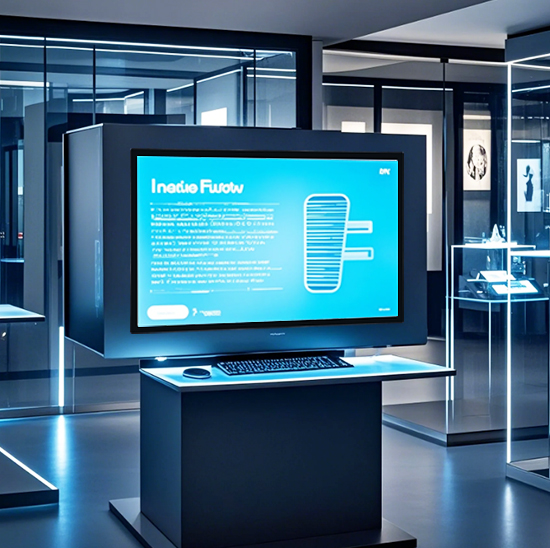
Panel ini menyampaikan keterlihatan masa nyata ke dalam voltan grid, pengeluaran tenaga boleh diperbaharui, tahap beban, dan status peranti, membiarkan operator membuat cepat, keputusan berasaskan data. Mereka disepadukan dengan lancar dengan meter pintar, penyongsang, sistem (ESS), dan perisian pengurusan grid, menyokong fleksibiliti dan skalabiliti yang diperlukan oleh grid pintar. Sama ada digunakan di pencawang, pusat kawalan, atau tapak tenaga teragih, Panel Sentuhan Industri membuka kunci potensi penuh teknologi grid pintar. Artikel ini menguraikan ciri teras mereka, faedah, aplikasi, dan Soalan Lazim untuk menunjukkan cara mereka merevolusikan pengagihan tenaga.
Ciri Teras Panel Sentuhan Perindustrian untuk Smart Grid Tech
1. Pemantauan Grid Pintar Masa Nyata & Visualisasi Data
tepat, data segera adalah penting untuk kestabilan grid pintar—dan panel ini menyampaikannya:
Penjejakan metrik utama: Pantau voltan, kekerapan, faktor kuasa, pengeluaran tenaga boleh diperbaharui, dan pengagihan beban merentasi grid.
Dinamik, papan pemuka yang boleh disesuaikan: Sesuaikan pandangan untuk mengutamakan data kritikal (mis., “Output Solar/Angin,” “Imbangan Beban Grid,” “Makluman Kesalahan”).
Sistem penggera berkod warna: Amaran visual dan audio untuk anomali grid (lebihan beban, turun naik voltan, kegagalan peralatan) dengan kedudukan keutamaan.
Pengelogan data sejarah: Simpan 3–5 tahun data grid untuk analisis arah aliran, perancangan penyelenggaraan, dan pelaporan peraturan.
Tahap keterlihatan ini menghilangkan bintik buta, memastikan pengendali sentiasa mendahului isu grid yang berpotensi.
2. Lasak, Ketahanan Gred Perindustrian untuk Persekitaran Grid
Tapak grid pintar—dari pencawang ke ladang boleh diperbaharui luar—memerlukan peralatan yang sukar:
Habuk IP65/IP67 & rintangan air: Kandang tertutup melindungi daripada habuk, kelembapan, dan cuaca dalam persekitaran luar dan perindustrian.
Toleransi suhu yang luas: Beroperasi dengan pasti dari -20 ° C hingga 60 ° C (-4° F hingga 140 ° F.), menyesuaikan iklim ekstrem di tapak tenaga boleh diperbaharui.
Terkejut, getaran & Rintangan EMI: Bingkai bertetulang menahan getaran daripada transformer, manakala perisai EMI/RFI menghalang gangguan daripada peralatan voltan tinggi.
Bahan tahan kakisan: Selongsong keluli tahan karat atau aluminium menahan karat dan degradasi daripada kelembapan atau bahan pencemar industri.
Ketahanan ini memastikan 24/7 operasi, walaupun dalam persekitaran grid pintar yang paling keras.
3. Kawalan Grid Ketepatan & Integrasi Tenaga Boleh Diperbaharui
Panel ini menjadikan data sebagai tindakan untuk mengoptimumkan prestasi grid:
Automasi pengimbangan beban: Laraskan aliran kuasa untuk mengelakkan beban lampau dan memastikan voltan stabil merentasi grid.
Pengurusan tenaga boleh diperbaharui: Segerakkan dengan penyongsang solar/angin untuk melaraskan output dan menyepadukan tenaga boleh diperbaharui berubah-ubah ke dalam grid.
Pengaktifan tindak balas permintaan: Cetuskan pengurangan beban untuk peranti tidak kritikal semasa permintaan puncak untuk menstabilkan grid.
Kawalan peranti jauh: Mengendalikan pemutus litar, meter pintar, dan ESS dari jauh, mengurangkan lawatan juruteknik di tapak.
Kawalan ketepatan ini memaksimumkan kecekapan grid dan menyokong penyepaduan tenaga hijau yang lancar.
4. Penyepaduan Lancar dengan Sistem Grid Pintar
Mereka berhubung dengan infrastruktur sedia ada untuk mengelakkan gangguan operasi:
Keserasian dengan peralatan grid: Berfungsi dengan meter pintar, penyongsang, ESS, Sistem SCADA, dan platform EMS daripada jenama terkemuka (Siemens, Abb, Schneider Electric).
Protokol komunikasi standard: Sokong IEC 61850, Modbus TCP, MQTT, dan Ethernet/IP untuk selamat, pemindahan data yang stabil dalam operasi grid kritikal.
Kesambungan awan: Tolak data ke platform pengurusan grid berasaskan awan untuk pemantauan jauh dan kawalan seluruh armada.
Sistem berlebihan: Bekalan kuasa dwi dan sambungan rangkaian memastikan operasi berterusan jika satu sistem gagal.
Penyepaduan ini memastikan panel sesuai dengan lancar ke dalam ekosistem grid pintar sedia ada.
5. Antara muka mesra pengguna & Kebolehcapaian
Direka untuk pengendali grid yang bekerja dalam persekitaran berkepentingan tinggi:
Keserasian tangan yang bersarung: Kepekaan sentuhan yang dipertingkatkan berfungsi dengan sarung tangan terlindung, jadi juruteknik tidak menanggalkan PPE di kawasan berbahaya.
Navigasi intuitif: Ikon besar, fungsi seret dan lepas, dan menu langkah demi langkah mengurangkan masa latihan untuk pengendali.
Keterlihatan cahaya rendah: Paparan lampu belakang dan visual kontras tinggi memastikan kebolehbacaan dalam pencawang yang bercahaya malap atau operasi waktu malam.
Sokongan berbilang bahasa: Menawarkan Bahasa Inggeris, bahasa Sepanyol, Jerman, dan Cina untuk memenuhi keperluan pasukan operasi grid global.
Faedah Utama Panel Sentuhan Perindustrian untuk Grid Pintar
1. Tingkatkan Kestabilan Grid & Kurangkan Gangguan
Grid pintar bergantung pada kestabilan—dan panel ini menguatkannya:
Kurangkan gangguan bekalan elektrik sebanyak 30–40%: Pengesanan kerosakan masa nyata membolehkan pengendali mengasingkan isu sebelum ia merebak ke grid yang lebih luas.
Meningkatkan integrasi boleh diperbaharui: Sepadukan tenaga suria/angin berubah-ubah dengan lancar untuk mengekalkan frekuensi dan voltan grid.
Mempercepatkan pemulihan gangguan: Alat kawalan jauh dan data kerosakan jelas memotong masa pemulihan untuk kawasan yang terjejas.
Elakkan kegagalan melata: Makluman awal untuk lebihan beban atau isu peralatan menghentikan masalah kecil daripada menjadi gangguan besar.
2. Meningkatkan Kecekapan Operasi & Kos yang Lebih Rendah
Panel ini menyelaraskan aliran kerja dan mengurangkan perbelanjaan operasi:
Potong lawatan tapak juruteknik oleh 50%: Pemantauan dan kawalan jauh menghapuskan keperluan untuk pemeriksaan di tapak setiap nod grid.
Optimumkan jadual penyelenggaraan: Makluman ramalan untuk kehausan peralatan membolehkan operator menjadualkan servis sebelum kegagalan berlaku.
Kurangkan pembaziran tenaga: Kenal pasti corak beban yang tidak cekap dan laraskan pengagihan untuk meminimumkan kerugian penghantaran.
Permudahkan pelaporan pematuhan: Pengelogan data automatik menjana laporan sedia audit untuk peraturan tenaga.
3. Menyokong Skalabiliti untuk Mengembangkan Grid Pintar
Apabila grid pintar berkembang, panel ini tumbuh bersama mereka:
Pengurusan seluruh armada: Pantau berbilang tapak grid (pencawang, ladang boleh diperbaharui) daripada satu papan pemuka terpusat.
Menyesuaikan diri dengan teknologi baharu: Sepadukan dengan peranti grid pintar yang baru muncul (sensor pintar, mikrogrid) apabila rangkaian berkembang.
Mengendalikan beban data yang meningkat: Memproses dan memvisualisasikan data daripada beribu-ribu meter pintar dan peranti tanpa ketinggalan prestasi.
Boleh disesuaikan untuk mikrogrid: Sokong secara kecil-kecilan, sistem grid setempat (mis., mikrogrid kampus atau komuniti) dengan kawalan yang disesuaikan.
4. Tingkatkan Keselamatan Operator & Membuat keputusan
Operasi grid berisiko tinggi—dan panel ini mengurangkan bahaya:
Operasi jauh: Biarkan juruteknik mengawal peralatan dari jarak yang selamat, mengurangkan pendedahan kepada voltan tinggi.
Cerapan terdorong data: Papan pemuka yang jelas dan analisis trend membantu pengendali membuat keputusan termaklum dengan cepat.
Interlock keselamatan: Cegah pengendalian peralatan grid kritikal yang tidak dibenarkan, memastikan pematuhan dengan protokol keselamatan.
Makluman bahaya masa nyata: Beri amaran kepada pengendali tentang lonjakan voltan yang tidak dijangka atau kerosakan peralatan sebelum mereka memasuki kawasan berbahaya.
Aplikasi Praktikal untuk Tetapan Grid Pintar Berbeza
1. Pusat Kawalan Grid Pintar Berskala Utiliti
Untuk pengendali grid berskala besar yang menguruskan pengagihan tenaga serantau:
Pemantauan seluruh grid: Jejaki aliran kuasa dari pencawang kepada pengguna akhir, dengan pengimbangan beban masa nyata.
Pengurusan armada boleh diperbaharui: Pantau dan laraskan output daripada pelbagai ladang solar/angin untuk disepadukan dengan grid utama.
Penyelarasan tindak balas permintaan: Aktifkan program pengurangan beban semasa permintaan puncak untuk menstabilkan grid.
2. Integrasi Ladang Tenaga Boleh Diperbaharui (Suria/Angin)
Untuk menyambungkan ladang solar/angin ke grid pintar:
Kawalan penyongsang: Laraskan output penyongsang untuk memadankan voltan grid dan keperluan frekuensi.
Penyegerakan storan tenaga: Urus ESS untuk menyimpan lebihan tenaga boleh diperbaharui untuk digunakan semasa tempoh pengeluaran rendah.
Pematuhan kod grid: Memastikan integrasi tenaga boleh diperbaharui memenuhi piawaian kawal selia tempatan untuk kestabilan.
3. Pengurusan Microgrid (Kampus, Komuniti)
Untuk skala kecil, grid pintar setempat:
Kawalan mod pulau: Tukar mikrogrid antara operasi bersambung grid dan kendiri semasa gangguan.
Muatkan keutamaan: Peruntukkan kuasa kepada beban kritikal (hospital, sekolah-sekolah) semasa ketersediaan tenaga terhad.
Pengurusan generasi teragih: Mengimbangi tenaga daripada panel solar, turbin angin, dan penjana sandaran.
4. Automasi Pencawang
Untuk memodenkan pencawang tradisional menjadi hab grid pintar:
Kawalan pemutus jauh: Kendalikan pemutus litar untuk mengasingkan litar yang rosak tanpa lawatan juruteknik di tapak.
Pemantauan transformer: Suhu jejak, memuatkan, dan kecekapan untuk mengelakkan terlalu panas dan memanjangkan jangka hayat.
Penyepaduan SCADA: Segerakkan dengan sistem SCADA seluruh tumbuhan untuk keterlihatan dan kawalan grid hujung ke hujung.
Soalan Lazim Mengenai Panel Sentuhan Perindustrian untuk Smart Grid Tech
Q1: Adakah panel ini akan berintegrasi dengan sistem SCADA atau EMS kami yang sedia ada?
A1: Ya! Ia serasi dengan semua platform SCADA dan EMS terkemuka dan menyokong protokol grid pintar standard (IEC 61850, Modbus TCP). Pasukan kami mengesahkan keserasian semasa persediaan untuk penyepaduan yang lancar.
S2: Sejauh manakah panel ini tahan lama untuk tapak tenaga boleh diperbaharui luar?
A2: Ia dibina untuk kegunaan luar—tahan habuk/air IP67, toleransi suhu yang luas (-20° C hingga 60 ° C.), dan selongsong tahan kakisan. Kebanyakan model bertahan 8–10 tahun dalam operasi harian dengan penyelenggaraan yang minimum.
Q3: Bolehkah operator mengakses data panel dari jauh dari pusat kawalan luar tapak?
A3: Sudah tentu. Kesambungan awan selamat atau akses VPN membolehkan pengendali memantau data grid, laraskan kawalan, dan bertindak balas kepada makluman dari mana-mana sahaja—sesuai untuk pengurusan grid pintar berbilang tapak.
Q4: Adakah panel memerlukan penentukuran atau penyelenggaraan biasa?
A4: Penyelenggaraan minimum diperlukan. Panel menampilkan alat diagnostik kendiri untuk memaklumkan anda tentang isu yang berpotensi, dan penentukuran hanya diperlukan setiap 1–2 tahun. Pasukan kami menyediakan sokongan penentukuran sebagai sebahagian daripada perkhidmatan waranti.
S5: Apakah jaminan yang disertakan dengan Panel Sentuh Industri untuk grid pintar?
A5: Semua model termasuk jaminan 3 tahun yang meliputi kecacatan perkakasan, sentuh respons, dan isu integrasi. Waranti 5 tahun lanjutan tersedia untuk pemasangan skala utiliti, dengan 24/7 sokongan teknikal.
Kesimpulan
Panel Sentuhan Perindustrian ialah asas teknologi grid pintar moden, menyampaikan kawalan berpusat, data masa nyata, dan ketahanan lasak diperlukan untuk mengoptimumkan pengagihan tenaga. Keupayaan mereka untuk mengintegrasikan tenaga boleh diperbaharui, beban imbangan, dan menyokong operasi jauh menjadikannya amat diperlukan untuk pengendali utiliti, pemaju tenaga boleh diperbaharui, dan pengurus microgrid sama. Dengan memperkemas aliran kerja, meningkatkan keselamatan, dan meningkatkan kestabilan grid, panel ini membuka jalan ke arah yang lebih cekap, masa depan grid pintar yang mampan.
Bersedia untuk menaik taraf grid pintar anda dengan boleh dipercayai, panel sentuhan industri intuitif? Isi borang di tapak web kami untuk berhubung dengan pakar teknologi grid pintar kami. Kami akan menilai keperluan grid anda, mengesahkan keserasian dengan peralatan sedia ada, dan mengesyorkan penyelesaian tersuai untuk memaksimumkan kecekapan dan integrasi boleh diperbaharui. Mari bina yang lebih bijak, grid tenaga yang lebih berdaya tahan—mulakan hari ini!