
Braitheann trádstóráil shoghluaiste ar ghluaiseacht leanúnach – forklifts ag sileadh tríd na pasáistí, jacks pailléid ag nascleanúint spásanna daingean, agus oibrithe ag iompar ualaí troma. Sa timpeallacht ardghníomhaíochta seo, Tá riosca leanúnach ag baint le scáileáin HMI tionsclaíocha: bumps ó threalamh, titeann le linn a shuiteáil, nó creathadh ó fheithiclí atá ag gluaiseacht. Is minic a scoilteann scáileáin chineálacha HMI, glitch, nó má theipeann orthu go hiomlán tar éis miontionchar, is cúis le downtime costasach agus moilleanna.
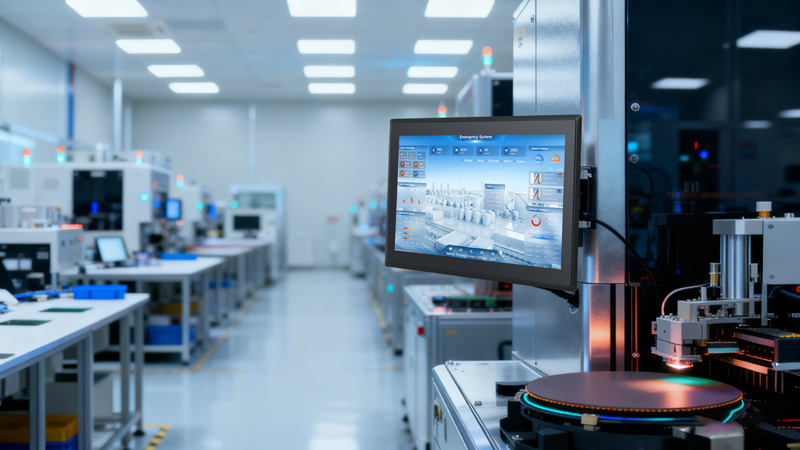
Réitíonn Scáileáin HMI Tionsclaíocha Shock-Proof le haghaidh Trádstóráil Soghluaiste an fhadhb seo. Innealtóireacht chun tionchair a sheasamh, creathadh, agus láimhseáil garbh, coinníonn na scáileáin speisialaithe seo oibríochtaí ríthábhachtacha ar siúl - fiú sna stórais is gnóthaí. Soláthraíonn siad feidhmíocht chomhsheasmhach agus iad ag cur in aghaidh damáiste a fhágfadh go mbeadh scáileáin chaighdeánacha gan úsáid. Cibé an bhfuil sé suite ar fhorklifts, stáisiúin oibre soghluaiste, nó feithiclí treoraithe uathoibrithe (AGVanna), cinntíonn na scáileáin seo go mbíonn rochtain ag oibrithe ar shonraí fíor-ama (leibhéil fardail, sonraí ordú, léarscáileanna bealaigh) gan bhriseadh. Déanann an t-alt seo briseadh síos ar a bpríomhghnéithe, feidhmchláir phraiticiúla, agus tairbhí inláimhsithe — ag cuidiú le bainisteoirí trádstórais agus le foirne oibríochtaí infheistíocht a dhéanamh i réitigh a éiríonn leo i dtimpeallacht dhinimiciúil na trádstórála soghluaiste.
Cén Fáth a bhfuil Scáileáin HMI Tionsclaíochta Cruthúnas Turraing Ábhartha maidir le Trádstóráil Soghluaiste
1. Rioscaí Tionchair Uathúla na Trádstórála Móibíleach
Nochtann timpeallachtaí trádstórála soghluaiste scáileáin HMI do níos mó strus fisiceach ná socruithe statacha traidisiúnta. Is minic a bhuaileann forklifts agus AGVanna isteach i racaí nó i dtrealamh eile le linn casadh daingean, agus d’fhéadfadh stáisiúin oibre ríomhaire boise sleamhnú ó lámha oibrithe. Féadfaidh fiú creathadh seasta ó fheithiclí atá ag gluaiseacht damáiste a dhéanamh do chomhpháirteanna inmheánacha le himeacht ama. Níl an treisiú struchtúrach ag scáileáin chaighdeánacha HMI chun na rioscaí seo a láimhseáil - d'fhéadfadh go scoiltfidh siad, reo, nó feidhmiúlacht a chailleadh tar éis tionchar amháin. Samhlacha turraing-cruthúnas, áfach, Tógtar iad chun na fórsaí seo a ionsú agus a shraonadh, oibriú gan bhriseadh a chinntiú nuair is mó a theastaíonn uait.
2. Costais Aga Neamhfhónaimh Scáileáin Neamh-Thurrainge
Aistríonn gach nóiméad d'am neamhfhónaimh HMI i trádstóráil shoghluaiste go dtí táirgiúlacht caillte. Má theipeann ar scáileán lár an tasc, ní féidir le hoibrithe rochtain a fháil ar shonraí fardail, orduithe a dhaingniú, nó bealaí nascleanúint a dhéanamh. Bíonn moill ar lastais mar thoradh air seo, earraí caillte, agus foirne frustrachais. D'fhéadfadh costas idir $500-$2,000 in aghaidh na huaire trádstórais a bheith mar chostas ar chliseadh scáileáin aonair ar éifeachtúlacht chaillte, de réir taighde slabhra soláthair. Cuireann Scáileáin HMI Tionsclaíochta Shock-proof deireadh leis an riosca seo trí thionchair a thógfadh scáileáin chaighdeánacha as líne a sheasamh – rud a shábhálann airgead duit agus oibríochtaí a choinneáil ar an mbóthar ceart.
3. Sochair Chomhlíonta agus Sábháilteachta
Éilíonn trádstóráil soghluaiste trealamh iontaofa chun caighdeáin sábháilteachta agus comhlíonta a chomhlíonadh. Cuidíonn scáileáin HMI turraing-dhíonach leis na caighdeáin seo a choinneáil trí ghnéithe criticiúla sábháilteachta a chinntiú (e.g., teorainneacha luais forklift, foláirimh acmhainne ualaigh) fanacht feidhmiúil. Má theipeann ar scáileán mar gheall ar thionchar, féadfaidh oibrithe rabhaidh sábháilteachta a chailleann, rioscaí timpiste a mhéadú. Ina theannta sin, Cuidíonn rochtain chomhsheasmhach ar shonraí ó scáileáin turraing-dhíonach chun fardal a rianú go cruinn, tacú le comhlíonadh rialacháin an tionscail (e.g., Rianú FDA le haghaidh trádstóráil bia nó caighdeáin ISO le haghaidh déantúsaíochta).
Príomhghnéithe na Scáileáin HMI Tionscail Shock-Proof
1. Tógáil Tionchair-Fhrithsheasmhach
Úsáideann scáileáin turraingdhíonta ábhair gharbh agus dearadh chun tionchair a ionsú:
Gloine tempered le sciath frith-shatter: 9Déanann gloine tempered H cruas scoilteanna ó thiteann a sheasamh (suas go dtí 1.5 méadar ar choincréit) agus scratches ó uirlisí nó pailléid.
Frámaí alúmanam treisithe: Tiubh, dáileann frámaí turraing-ionsú fórsa tionchair ar shiúl ó na comhpháirteanna inmheánacha, damáiste do chiorcaid nó braiteoirí tadhaill a chosc.
Gléasanna creathadh-mhaolú: Laghdaíonn lúibíní speisialaithe aistriú creathadh ó fheithiclí atá ag gluaiseacht (forklifts, AGVanna), páirteanna inmheánacha a chosaint ó chaitheamh.
2. Rátálacha IP do Dheannach agus Frithsheasmhacht Uisce
Ní hamháin go bhfuil timpeallachtaí trádstórála soghluaiste garbh - is minic a bhíonn siad deannaigh nó tais. Áirítear ar scáileáin HMI turraing-dhíonach barrleibhéil:
Rátálacha IP65/IP67: Cuireann imfháluithe deannaigh-daingean cosc ar bhruscar dul isteach sa scáileán, agus cosnaíonn friotaíocht uisce in aghaidh doirteadh nó spraeanna glantacháin.
Cónaisc séalaithe: Coscann calafoirt uiscedhíonach an taise ó shreangú inmheánach a mhilleadh, saincheist choitianta tar éis tionchair a scoilteann scáileáin chaighdeánacha.
3. Feidhmíocht Chobhsaí Faoi Chreathadh
Is féidir le tonnchrith seasta ó threalamh atá ag gluaiseacht cur isteach ar ghnáthscáileáin – cuireann samhlacha turraingdhíonach leis seo:
Comhpháirteanna creathadh-resistant: Páirteanna inmheánacha (próiseálaithe, modúil chuimhne) atá daingnithe le hábhair ionsúcháin turrainge chun dícheangal a sheachaint.
Raon teochta oibriúcháin leathan: -20Cinntíonn feidhmíocht °C go 60 ° C go n-oibríonn scáileáin i stórais fuar nó i nduganna luchtaithe te gan glitching.
4. Dearadh iomasach le haghaidh Úsáide Móibíleach
Ní chiallaíonn turraing-dhíonach deacair le húsáid - tugann na scáileáin seo tosaíocht don inúsáidteacht:
Comhoiriúnacht láimhe gloved: Oibríonn íogaireacht tadhaill feabhsaithe le lámhainní oibre, mar sin ní gá d'oibrithe PPE a bhaint chun an scáileán a oibriú.
Taispeántais ard-ghile: 1000+ cinntíonn gile nit infheictheacht i solas díreach (duganna á luchtú) nó trádstórais caola, brú súl a laghdú.
Dlúth, Tógann éadrom: Éasca le gléasadh ar threalamh soghluaiste gan ró-mheáchan nó mórchóir a chur leis.
Príomhfheidhmchláir i dTrádstóráil Soghluaiste
1. Forklifts & Feithiclí Treoraithe Uathoibrithe (AGVanna)
Is iad forklifts agus AGVanna cnámh droma na trádstórála soghluaiste - cuireann scáileáin HMI turraing-dhíonach lena bhfeidhmiúlacht:
Nascleanúint bealaigh fíor-ama: Taispeáin cosáin optamaithe chun am taistil a laghdú agus chun imbhuailtí a sheachaint, fiú má bhuaileann an fheithicil isteach i racaí.
Monatóireacht a dhéanamh ar acmhainn ualaigh: Cuir oibreoirí ar an airdeall faoi rioscaí ró-ualaithe, agus an scáileán fós ag feidhmiú tar éis mionthionchar.
Nuashonruithe fardail: Lig d’oibrithe barrachóid a scanadh agus leibhéil stoic a nuashonrú agus iad ag dul, gan a bheith buartha faoi damáiste scáileáin ó jostling.
2. Stáisiúin Oibre Soghluaiste & Gléasanna Boise
Bíonn oibrithe a úsáideann stáisiúin oibre soghluaiste ag brath ar scáileáin chun sonraí ordaithe agus sonraí fardail a rochtain:
Tacaíocht piocadh a ordú: Taispeáin suímh míreanna, cainníochtaí, agus faisnéis do chustaiméirí, agus titeann nó bumps ar an scáileán le linn sealanna gnóthacha.
Comhordú trasduála: Sioncrónaigh le córais bhainistíochta stórais (WMS) chun aistrithe idir trucailí agus stóras a chuíchóiriú, fiú i limistéir ard-tráchta.
Rianú cothabhála: Logáil saincheisteanna trealaimh go díreach ar an scáileán, a chinntiú nach gcailltear sonraí de bharr tionchair thaisme.
3. Duga á Luchtú & Bainistíocht Clós
Is criosanna ardtionchair iad na duganna lódála - coinníonn scáileáin turraing-dhíonach oibríochtaí réidh:
Fíorú lastais: Scan earraí isteach/amach agus deimhnigh orduithe, agus an scáileán in aghaidh damáiste ó phacáistí nó trealamh tite.
Sceidealú trucail: Taispeáin amanna teachta/imeachta agus tascanna duga, ag cinntiú go mbíonn oibrithe ar an eolas fiú má bhuailtear an scáileán.
Friotaíocht aimsire: Coinníonn cosaint rátáil IP scáileáin feidhmiúil i gclóis lasmuigh, áit a bhféadfadh báisteach nó deannach dochar a dhéanamh do mhúnlaí caighdeánacha.
Na Buntáistí a bhaineann le Scáileáin HMI Tionsclaíocha Shock-Proof do Trádstórais
1. Laghdú ar Aga Neamhfhónaimh agus Costais Athsholáthair
Maireann scáileáin turraingdhíonta 3-5x níos faide ná samhlacha caighdeánacha i dtimpeallachtaí soghluaiste:
Costais athsholáthair a laghdú 60% - ní gá scáileáin a athsholáthar tar éis mionthionchar nó creathadh.
Laghdaigh aga neamhfhónaimh 90% - fanann na scáileáin ag feidhmiú fiú tar éis bumps nó titeann a thógfadh samhlacha caighdeánacha as líne.
Costais chothabhála níos ísle - ciallaíonn níos lú deisiúcháin go ndíríonn foirne cothabhála ar thascanna ardtosaíochta.
2. Táirgiúlacht Oibrithe Feabhsaithe
Caitheann oibrithe níos lú ama ag déileáil le teipeanna scáileáin:
Faigh rochtain ar shonraí fíor-ama gan aon bhriseadh, ag cur dlús le piocadh ordú, pacáil, agus loingseoireachta.
Seachain athoibriú ó shonraí caillte (e.g., orduithe curtha amú de bharr glitches scáileáin).
Caith níos lú ama ag fanacht le deisiúcháin nó athsholáthar scáileáin, sreafaí oibre a choinneáil ar an mbóthar ceart.
3. Sábháilteacht agus Comhlíonadh Feabhsaithe
Tacaíonn scáileáin iontaofa níos sábháilte, oibríochtaí níos comhlíonta:
Foláirimh sábháilteachta a chinntiú (teorainneacha luais, rabhaidh luchtaithe) fanacht le feiceáil, rioscaí timpiste a laghdú.
Rianú cruinn fardail a choinneáil le haghaidh comhlíonadh rialála (e.g., FDA, ISO).
Cuir isteach ar phrótacail sábháilteachta de bharr teipeanna scáileáin a íoslaghdú.
Ceisteanna Coitianta Maidir le Scáileáin HMI Tionsclaíocha Cruthúnas Turraing le haghaidh Trádstóráil Soghluaiste
C1: Cé mhéad tionchair is féidir leis na scáileáin seo a sheasamh?
A1: Cuireann an chuid is mó de na samhlacha in aghaidh titeann ó 1.5-2 mhéadar ar choincréit agus tionchair suas le 50G d’fhórsa (comhionann le bump forklift ar luas íseal). Déanann an ghloine tempered agus na frámaí athneartaithe turraing a ionsú chun comhpháirteanna inmheánacha a chosaint.
C2: An bhfuil siad ag luí leis na córais bhainistíochta stórais atá ann cheana féin (WMS)?
A2: Tá. Tacaíonn siad le prótacail chaighdeánacha tionsclaíochta (Modbus TCP, Ethernet/IP, PROFINET) agus comhtháthú gan uaim le hardáin WMS ceannródaíocha (SAP, Oracle, Comhpháirtithe Manhattan). Fíoraíonn ár bhfoireann comhoiriúnacht le linn an tsocraithe chun aistriú rianúil a chinntiú.
C3: An féidir iad a shuiteáil ar aon trealamh soghluaiste (forklifts, AGVanna, stáisiúin oibre)?
A3: Cinnte. Tagann siad le lúibíní gléasta ilúsáideacha a oireann don chuid is mó den trealamh soghluaiste. Dearaí dlúth (10-15 orlach taispeántais) obair le haghaidh gléasanna láimhe, agus samhlacha níos mó (17–21 orlach) forklifts oireann nó AGVanna. Tá réitigh gléasta saincheaptha ar fáil do threalamh uathúil.
C4: An dteastaíonn cothabháil speisialta uathu i gcomparáid le scáileáin chaighdeánacha HMI?
A4: Níl. Tá siad deartha le haghaidh cothabhála íseal - ní gá ach iad a ghlanadh le héadach tais chun deannach nó doirteadh a bhaint. Ní chiallaíonn na himfháluithe séalaithe agus na comhpháirteanna garbh aon chothabháil bhreise seachas glanadh rialta.
C5: Cén bharántas a chuimsíonn na Scáileáin HMI Tionscail Shock-Proof seo?
A5: Tagann na samhlacha go léir le barántas 5 bliana a chlúdaíonn damáiste tionchair, teipeanna a bhaineann le creathadh, agus lochtanna crua-earraí. Tá barántais leathnaithe 7 mbliana ar fáil do chabhlaigh ardtoirte, le 24/7 tacaíocht theicniúil do shaincheisteanna ríthábhachtacha.
Conclúid
Tá Scáileáin HMI Tionsclaíochta Cruthúnas Turraing riachtanach le haghaidh trádstórála soghluaiste - seasann siad leis na tionchair, creathadh, agus láimhseáil gharbh nach féidir le scáileáin chaighdeánacha, agus feidhmíocht iontaofa agus inúsáidteacht iomasach á seachadadh. Trí downtime a laghdú, costais athsholáthair a ghearradh, agus táirgiúlacht oibrithe a fheabhsú, cabhraíonn na scáileáin seo le stórais oibriú níos éifeachtaí agus níos sábháilte. Cibé an bhfuil cabhlach forklifts á bhainistiú agat, AGVanna, nó stáisiúin oibre soghluaiste, is infheistíocht iad a íocann as níos lú cur isteach agus brabúsacht níos airde.
Réidh chun do thrádstóráil soghluaiste a uasghrádú le Scáileáin HMI Tionscail Shock-Proof? Comhlánaigh an fhoirm ar ár suíomh Gréasáin chun nascadh lenár saineolaithe teicneolaíochta stórais. Déanfaimid do threalamh a mheas, fíoraigh comhoiriúnacht le do WMS, agus cuir réiteach saincheaptha ar fáil a fhreastalaíonn ar do chuid riachtanas - ag cabhrú leat oibríochtaí a choinneáil ag rith go réidh, fiú sna timpeallachtaí is gnóthaí.