
Les processus de production sensibles, de l'assemblage microélectronique et de l'usinage de précision à la formulation pharmaceutique, exigent une stabilité absolue.. Même des vibrations mineures peuvent fausser les mesures, endommager les composants délicats, ou perturber les flux de travail critiques. Les écrans IHM industriels traditionnels amplifient souvent ces problèmes: les composants internes desserrés vibrent excessivement, la réactivité au toucher faiblit, et les écrans souffrent d'une usure prématurée. Ces défauts conduisent à des erreurs coûteuses, temps d'arrêt imprévu, et une qualité de produit compromise, en particulier dans les environnements à fortes vibrations comme les ateliers d'usinage CNC ou les usines de fabrication de semi-conducteurs.. Les écrans IHM industriels à faibles vibrations sont spécialement conçus pour prospérer dans les environnements de production sensibles, fusionnant la conception anti-vibration avec une fiabilité et une précision de qualité industrielle.
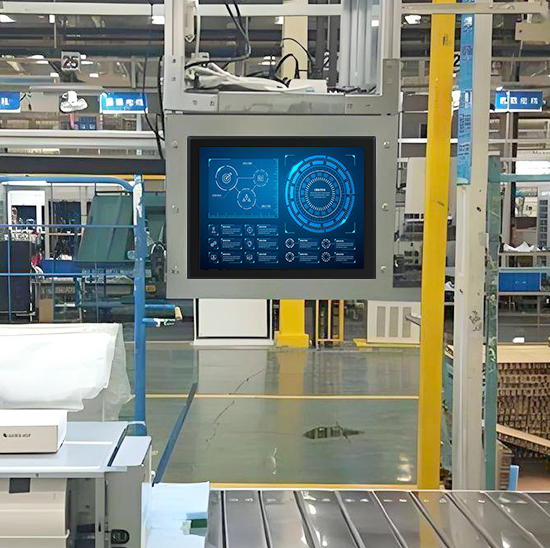
Ils minimisent le transfert de vibrations, maintenir des performances tactiles constantes, et protéger les composants internes des dommages liés aux vibrations. Conçu pour s'intégrer parfaitement aux équipements de production sensibles, ces écrans IHM assurent un contrôle précis, surveillance en temps réel, et une durabilité à long terme, tout en gardant les flux de travail critiques sur la bonne voie. Cet article détaille leurs principales fonctionnalités, avantages, candidatures, et des FAQ pour montrer comment ils élèvent les opérations de production sensibles.
Caractéristiques principales des écrans IHM industriels à faibles vibrations
1. Conception interne anti-vibration & Stabilisation des composants
Minimise le transfert de vibrations pour protéger les composants internes et maintenir les performances:
Cadre interne renforcé: Les cadres en alliage d'aluminium à haute résistance sécurisent l'électronique interne, réduisant le déplacement des vibrations jusqu'à 80%.
Systèmes de montage amortisseurs: Des joints intégrés en caoutchouc ou en silicone isolent l'écran des vibrations extérieures, empêchant le transfert vers les pièces internes sensibles.
Fixation sécurisée des composants: Pièces critiques (affiche, capteurs tactiles, cartes de circuits imprimés) sont montés avec du matériel résistant aux vibrations pour éliminer les connexions desserrées.
Boîtier amortissant les vibrations: Épais, Les matériaux du boîtier absorbant les chocs absorbent les vibrations externes, garder l'écran stable même dans des environnements à fortes vibrations.
Cette conception anti-vibration garantit un fonctionnement fiable de l'écran HMI, même à proximité des machines CNC, pompes, ou tout autre équipement générateur de vibrations.
2. Réactivité tactile stable & Contrôle de précision
Maintient des performances tactiles précises malgré les vibrations environnantes:
Capteurs tactiles résistants aux vibrations: Les capteurs tactiles capacitifs ou résistifs spécialisés ignorent les fausses entrées causées par les vibrations, garantir que seuls les tapotements et les balayages intentionnels soient enregistrés.
Paramètres de sensibilité tactile réglables: Les opérateurs peuvent calibrer la réactivité tactile pour filtrer les interférences liées aux vibrations, empêcher les commandes accidentelles.
Rapide, temps de réponse constant (<6MS): Maintient des performances sans décalage même pendant les périodes de vibrations maximales, assurer un contrôle précis des processus sensibles.
Stabilité multi-touch: 10-La prise en charge multi-touch par points reste cohérente, permettant des gestes précis pour ajuster les paramètres de production ou surveiller les données.
Cette stabilité élimine les erreurs tactiles induites par les vibrations, une des principales causes de perturbations des flux de travail dans les productions sensibles.
3. Durabilité de qualité industrielle & Résistance environnementale
Conçu pour résister aux environnements de production difficiles tout en résistant à l'usure due aux vibrations:
Protection IP65 du panneau avant: Scellé contre la poussière, débris, et les déversements de liquides (liquides de refroidissement, produits de nettoyage) courant dans les environnements de fabrication.
9Surface en verre trempé H: Résiste aux rayures, fissures, et les impacts liés aux vibrations des outils ou des composants.
Large tolérance de température: Fonctionne de manière fiable de -20°C à 60°C (-4°F à 140°F), aménagement d'environnements de production sensibles et contrôlés.
Anti-éblouissement, écran haute luminosité: 1,200 La luminosité des lentes avec revêtement antireflet assure une visibilité claire, même à proximité d'équipements de production lumineux.
Cette durabilité garantit 24/7 fonctionnement avec un minimum d'entretien, même en cas de fortes vibrations, installations à haut débit.
4. Intégration transparente avec les équipements de production sensibles
Se synchronise avec les machines de précision pour permettre un contrôle et une surveillance unifiés:
Prise en charge des protocoles industriels standards: Fonctionne avec des équipements de production sensibles (Machines CNC, outils de micro-assemblage, balances de précision) via Ethernet/IP, Modbus-TCP, et USB-C.
Synchronisation des données en temps réel: Affiche les mesures de production (niveaux de vibrations, paramètres de processus, contrôles de qualité) immédiatement, synchronisation avec les systèmes de contrôle des équipements.
Tableaux de bord de contrôle personnalisables: Adaptez les interfaces à des processus sensibles spécifiques (Par exemple, placement de la micropuce, mélange pharmaceutique) pour un fonctionnement simplifié.
Capacité de surveillance à distance: Permet aux superviseurs d'ajuster les paramètres ou de surveiller les niveaux de vibration depuis les salles de contrôle hors site, réduire les interférences sur site.
Cette intégration garantit que l'écran HMI agit comme une plaque tournante centrale pour le contrôle et la surveillance sensibles de la production..
5. Surveillance des vibrations & Fonctionnalité d'alerte
Détecte de manière proactive les vibrations excessives pour éviter les interruptions du flux de travail:
Capteurs de vibrations intégrés: Surveille les niveaux de vibrations environnantes, affichage des données en temps réel sur l'écran HMI.
Alertes vibratoires personnalisables: Déclenche des avertissements visuels ou sonores lorsque les niveaux de vibration dépassent les seuils de sécurité, laisser les opérateurs agir.
Enregistrement des vibrations: Enregistre les données de vibration au fil du temps, aider les installations à identifier les modèles et à optimiser le placement des équipements.
Intégration de la santé des équipements: Se synchronise avec les systèmes de surveillance de l'état des machines pour corréler les niveaux de vibration avec les performances de l'équipement.
Cette fonctionnalité aide les installations à maintenir des niveaux de vibrations sûrs et à prévenir l'usure prématurée de l'écran IHM et des équipements de production..
Principaux avantages des écrans IHM industriels à faibles vibrations pour la production sensible
1. Réduire les erreurs de production & Améliorer la qualité
Des performances stables éliminent les erreurs induites par les vibrations dans les processus sensibles:
Réduisez les taux d’erreur de 50%: Le contrôle tactile résistant aux vibrations et les affichages stables empêchent les réglages incorrects des paramètres ou les erreurs de lecture des données..
Protéger les composants délicats: Le transfert de vibrations minimisé réduit les dommages aux pièces sensibles (puces électroniques, formulations pharmaceutiques, outils de précision).
Assurer une qualité constante des produits: Un contrôle et une surveillance précis maintiennent les paramètres de production sur la bonne voie, réduire les défauts.
Simplifiez le contrôle qualité: La surveillance des vibrations en temps réel permet d'identifier les problèmes avant qu'ils n'aient un impact sur la qualité du produit..
2. Minimiser les temps d'arrêt & Prolonger la durée de vie des équipements
Durable, la conception anti-vibration réduit les temps d'arrêt et la maintenance imprévus:
Prolongez la durée de vie de l'IHM de 2 à 3 fois: Les composants résistants aux vibrations évitent une usure prématurée, réduire les coûts de remplacement.
Réduire les visites de maintenance de 60%: Les composants internes sécurisés et la conception absorbant les chocs éliminent les pannes liées aux vibrations.
Prévenir les temps d'arrêt imprévus: Les alertes en cas de vibrations excessives permettent aux opérateurs de résoudre les problèmes avant qu'ils ne perturbent le flux de travail..
Réduisez les coûts de réparation des équipements: La surveillance des vibrations aide à prévenir les dommages aux machines de production, réduire les dépenses de maintenance.
3. Augmentez l’efficacité opérationnelle & Productivité
Des flux de travail rationalisés et des performances fiables maintiennent la production sensible sur la bonne voie:
Accélérez le contrôle des processus: Intuitif, les interfaces tactiles stables réduisent le temps passé à ajuster les paramètres ou à corriger les erreurs.
Simplifiez la formation des opérateurs: Des performances constantes et des alertes de vibration claires rendent l'IHM facile à utiliser, réduire le temps d'intégration.
Optimiser le placement des équipements: L'enregistrement des vibrations aide les installations à positionner les machines et les écrans IHM pour minimiser les interférences..
Activer 24/7 opération: Des performances fiables garantissent une production continue, même dans des environnements à fortes vibrations.
4. Garantir la conformité réglementaire & Traçabilité
Répond à des normes strictes pour les industries de production sensibles:
Conforme aux réglementations de l'industrie: Conforme à l'ISO 9001, FDA (pharmaceutique), IATF 16949 (automobile), et AS9100 (aérospatial) normes.
Maintenir la traçabilité: L'enregistrement des données de vibration et de production prend en charge la préparation aux audits et la documentation qualité..
Prise en charge des environnements stériles/de production: La protection IP65 et la facilité de nettoyage garantissent le respect des normes pharmaceutiques et des dispositifs médicaux.
Fournir des pistes d’audit: Les journaux détaillés des vibrations et des opérations aident les installations à prouver leur conformité lors des audits réglementaires..
Applications pratiques pour les scénarios de production sensibles
1. Micro-électronique & Production de semi-conducteurs
Pour fabriquer des micropuces, PCB, et composants électroniques sensibles:
Protéger les petits composants des dommages induits par les vibrations pendant l'assemblage et les tests.
Assurer un contrôle précis des paramètres pour les processus tels que le collage de matrices et le collage de fils.
Maintenir la compatibilité des salles blanches avec les produits scellés, conceptions faciles à nettoyer qui répondent aux normes ISO pour les salles blanches.
2. Usinage de précision & Fabrication CNC
Pour l'usinage CNC, découpe laser, et autres processus de précision à haute vibration:
Résiste aux vibrations des machines CNC tout en conservant un contrôle tactile stable.
Afficher les paramètres d'usinage en temps réel (vitesse, vitesse d'avance, niveaux de vibrations) pour un suivi précis.
Empêche les fausses saisies causées par les vibrations de la machine, assurer un contrôle précis des outils de coupe.
3. Pharmaceutique & Production biotechnologique
Pour les processus sensibles comme la formulation de médicaments, remplissage stérile, et contrôle des bioréacteurs:
Maintenir des performances stables dans des environnements contrôlés, prévenir la contamination induite par les vibrations ou les erreurs de formulation.
Conforme aux normes FDA avec des conceptions scellées, désinfection facile, et enregistrement détaillé des données.
Surveiller les niveaux de vibrations pour garantir que les bioréacteurs et les équipements de mélange fonctionnent selon des paramètres sûrs.
4. Aérospatial & Fabrication de composants de défense
Pour la production de composants aérospatiaux critiques (avionique, pièces structurelles):
Offrez des performances ultra-stables pour garantir la précision dans les environnements de fabrication à fortes vibrations.
Conforme aux normes AS9100 avec conservation des données à long terme et enregistrement des vibrations pour la traçabilité.
Protéger les composants aérospatiaux sensibles des dommages liés aux vibrations pendant la production et les tests.
FAQ sur les écrans IHM industriels à faibles vibrations
Q1: Ces écrans IHM fonctionneront-ils à proximité d'équipements à fortes vibrations comme les machines CNC ??
A1: Oui! Leur conception anti-vibration (charpente renforcée, montage absorbant les chocs) réduit le transfert de vibrations jusqu'à 80%, assurer des performances stables à proximité des machines CNC, pompes, ou des lasers.
Q2: Pouvons-nous calibrer la sensibilité tactile pour filtrer les interférences de vibration?
A2: Absolument. Les écrans disposent de paramètres de sensibilité tactile réglables, vous permettant de filtrer les fausses entrées causées par les vibrations et de garantir que seules les commandes intentionnelles sont enregistrées.
Q3: Quelle est la durabilité de ces écrans dans des environnements de production difficiles?
A3: Ils ont une protection IP65 sur le panneau avant, 9Verre trempé H, et une large tolérance de température, les rendant résistants à la poussière, déversements, impacts, et températures extrêmes, idéal pour les environnements de fabrication.
Q4: Les écrans s'intègrent-ils à nos équipements de production sensibles existants?
A4: Oui! Ils prennent en charge tous les protocoles industriels standards (Ethernet/IP, Modbus-TCP) et s'intègrent parfaitement aux machines CNC, outils de micro-assemblage, bioréacteurs, et autres équipements sensibles. Notre équipe vérifie la compatibilité pour une installation fluide.
Q5: Quelle garantie et quelle assistance sont incluses pour les applications de production sensibles?
A5: Tous les modèles incluent une garantie de 3 ans couvrant les performances anti-vibrations, réactivité au toucher, et défauts matériels. Des garanties prolongées de 5 ans sont disponibles, avec 24/7 assistance technique.
Conclusion
Les écrans IHM industriels à faibles vibrations constituent un investissement essentiel pour les opérations de production sensibles, fusionnant la stabilité anti-vibration, durabilité de qualité industrielle, et un contrôle de précision pour protéger les flux de travail, réduire les erreurs, et augmenter l'efficacité. Ils éliminent les risques d'arrêts dus aux vibrations et aux défauts des produits., garantissant des performances constantes même dans des environnements de fabrication à fortes vibrations. Que vous produisiez de la microélectronique, composants de précision, ou des produits pharmaceutiques, ces écrans IHM offrent la fiabilité et la précision qu'exigent vos processus sensibles.
Prêt à protéger votre production sensible avec les écrans IHM industriels à faibles vibrations? Remplissez le formulaire sur notre site Web pour entrer en contact avec nos experts en technologie industrielle. Nous évaluerons les niveaux de vibrations de votre installation, vérifier la compatibilité des équipements, et recommander une solution personnalisée pour maximiser la stabilité et la productivité. Bâtissons un système plus fiable, processus de production sensible et efficace – commencez dès aujourd’hui!