
Nuclear power plants operate in the most demanding and high-stakes environments on the planet, where safety, reliability, and compliance are non-negotiable. Nuclear auxiliaries—systems like cooling loops, pump stations, lubrication units, and emergency backup systems—are the unsung heroes of plant operations, maintaining critical support for reactor core functions. Yet standard HMI screens fail to meet the unique challenges of nuclear environments: radiation exposure degrades components, extreme temperatures cause malfunctions, and non-compliant designs risk regulatory violations. These failures can lead to unplanned downtime, compromised safety protocols, and costly delays in auxiliary system operations.Durable Industrial HMI Screens for Nuclear Auxiliaries are engineered to overcome these critical challenges.
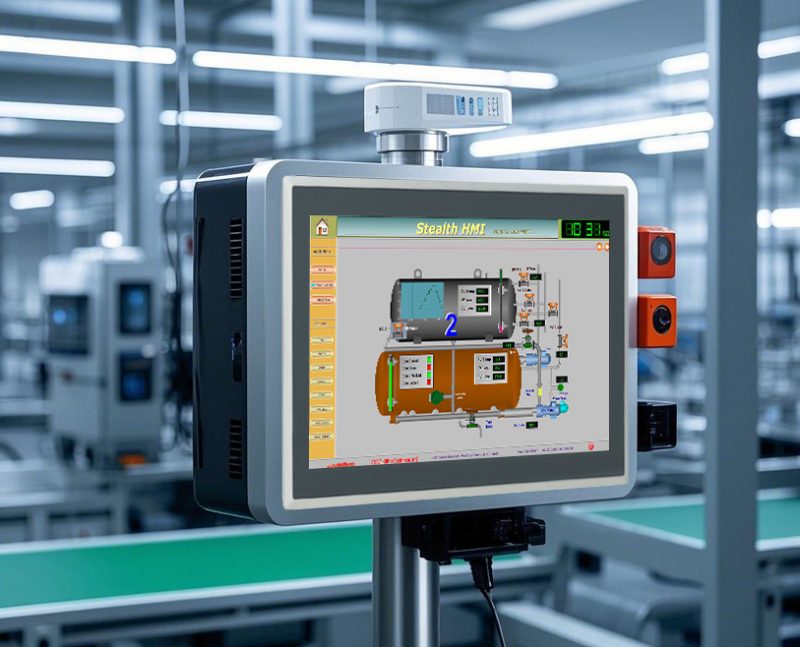
Built with radiation-resistant materials, strict compliance with nuclear industry standards, and rugged construction, these HMI screens deliver uninterrupted monitoring and control of auxiliary systems—even in the harshest nuclear plant zones. They centralize data from pumps, valves, sensors, and backup systems, letting operators make fast, informed decisions to maintain auxiliary system integrity. Whether deployed in containment auxiliary rooms, turbine halls, or emergency cooling facilities, these Durable Industrial HMI Screens are the backbone of safe, efficient nuclear auxiliary operations. This article breaks down their core features, benefits, applications, and FAQs to show how they revolutionize nuclear auxiliary control.
Core Features of Durable Industrial HMI Screens for Nuclear Auxiliaries
1. Radiation-Resistant Design for Nuclear Environments
Radiation exposure is the biggest threat to HMI performance in nuclear plants—and these screens are built to withstand it:
Gamma radiation tolerance: Rated to withstand up to 100 kGy (kilogray) of gamma radiation, suitable for Class 1E nuclear auxiliary zones.
Radiation-hardened components: Displays, touch sensors, and circuit boards use radiation-tolerant materials to prevent degradation or failure.
Anti-aging coatings: Special surface treatments resist yellowing and brittleness from long-term radiation exposure.
Sealed enclosures: Hermetically sealed casings prevent radioactive dust or particles from entering and damaging internal components.
This radiation resistance ensures the HMI screens maintain full functionality for 10+ years in nuclear auxiliary environments.
2. Strict Compliance with Nuclear Industry Standards
Nuclear facilities face rigorous regulatory requirements—and these screens meet or exceed them:
Class 1E certification: Complies with IEEE 387, IEEE 1219, and IEC 61508 standards for safety-related electrical equipment in nuclear power plants.
NRC, EPRI, and IAEA compliance: Meets guidelines from global nuclear regulatory bodies for design, performance, and documentation.
Environmental qualification (EQ) testing: Passes extreme temperature, humidity, vibration, and shock tests to prove reliability in post-accident conditions.
Audit-ready documentation: Provides full traceability reports, material certificates, and compliance logs for regulatory inspections.
This compliance eliminates regulatory risks and ensures seamless integration into nuclear auxiliary systems.
3. Rugged, Extreme-Environment Durability
Nuclear auxiliary zones are harsh—and these screens are engineered to endure:
Wide temperature range: Operate reliably from -40°C to 85°C (-40°F to 185°F), fitting freezing auxiliary cooling rooms and high-heat turbine halls.
IP68 dust & water resistance: Fully submersible in water (up to 1.5 meters for 30 minutes) and dust-tight, ideal for flood-prone auxiliary areas.
Shock & vibration resistance: Withstands 10G shock and 5G continuous vibration (per MIL-STD-810) from pump operations and equipment startup.
Corrosion resistance: Stainless steel frames and chemical-resistant coatings protect against coolant spills, lubricants, and harsh cleaning agents.
This durability guarantees 24/7 operation, even in the most extreme nuclear auxiliary environments.
4. Real-Time Auxiliary System Monitoring & Control
These screens deliver precise, actionable data for auxiliary system management:
Key metric tracking: Monitor pump pressure, valve position, coolant flow rate, temperature, and power consumption in real time.
Color-coded alarm system: Visual/audio warnings for critical issues (e.g., “Coolant Flow Drop,” “Pump Overheating,” “Valve Malfunction”) with priority ranking.
One-tap control functions: Operate valves, start/stop pumps, and activate backup systems with a single touch, reducing response time in emergencies.
Historical data logging: Store 5+ years of auxiliary system data for trend analysis, maintenance planning, and compliance reporting.
This level of control ensures operators can address issues before they impact auxiliary system performance or reactor safety.
5. Seamless Integration with Nuclear Auxiliary Systems
They connect with your existing infrastructure to avoid operational disruptions:
Compatibility with auxiliary equipment: Works with pumps, valves, sensors, and control systems from leading nuclear suppliers (Westinghouse, Areva, GE Hitachi).
SCADA/ICS integration: Sync with plant-wide supervisory control and data acquisition (SCADA) systems and industrial control systems (ICS) for end-to-end visibility.
Safety-related communication protocols: Support IEC 61850, Modbus TCP (safety-rated), and Ethernet/IP for secure, stable data transfer in critical zones.
Redundant power & communication: Dual power supplies and redundant network connections ensure continuous operation if one system fails.
Key Benefits for Nuclear Plant Operators
1. Enhance Safety & Reduce Accident Risks
Safety is the top priority in nuclear plants—and these HMI screens strengthen it:
Prevent auxiliary system failures: Real-time monitoring and radiation-resistant design reduce the risk of HMI-related outages in critical support systems.
Speed up emergency response: One-tap controls and clear alarms let operators activate backup systems (e.g., emergency cooling) in seconds.
Ensure compliance with safety protocols: Built-in safety interlocks prevent unauthorized operation of critical auxiliary equipment.
Reduce technician exposure: Remote monitoring and control let staff manage auxiliary systems from safe areas, minimizing time in high-radiation zones.
2. Improve Operational Reliability & Reduce Downtime
Unplanned downtime in nuclear auxiliaries is costly—and these screens eliminate it:
99.99% uptime guarantee: Radiation-resistant and rugged components ensure continuous HMI performance, even in harsh conditions.
Reduce unplanned outages by 50%: Early fault detection in auxiliary systems lets operators schedule maintenance before failures occur.
Extend equipment lifespan: Optimized control of pumps, valves, and cooling systems reduces wear, extending their operational life.
Minimize maintenance costs: Durable design and self-diagnostic tools reduce the need for frequent repairs or replacements.
3. Simplify Compliance & Regulatory Reporting
Nuclear regulatory compliance is complex—and these screens streamline it:
Automated compliance logs: Generate audit-ready reports for auxiliary system performance, operator actions, and equipment status.
Full traceability: Track all HMI-related changes and maintenance activities for regulatory inspections.
Simplify EQ testing: Pre-qualified designs reduce the time and cost of environmental qualification testing for new installations.
Stay current with standards: Regular firmware updates ensure ongoing compliance with evolving nuclear regulations.
4. Optimize Auxiliary System Efficiency
Efficient auxiliary operations reduce costs and improve plant performance:
Optimize energy use: Monitor and adjust pump and fan speeds to reduce power consumption in auxiliary systems.
Minimize coolant waste: Precise flow rate control in cooling loops reduces water loss and treatment costs.
Improve maintenance planning: Predictive alerts for equipment wear let operators schedule maintenance during planned outages, avoiding unplanned downtime.
Centralize control: Manage multiple auxiliary systems from one HMI screen, reducing operator workload and improving efficiency.
Practical Applications for Different Nuclear Auxiliary Zones
1. Containment Auxiliary Rooms
For auxiliary systems inside reactor containment (e.g., emergency cooling, pressure relief):
Monitor and control containment spray systems and emergency coolant pumps.
Track pressure and temperature in containment to prevent overpressurization.
Activate backup systems remotely to avoid technician entry into high-radiation containment zones.
2. Turbine Hall Auxiliaries
For auxiliary systems supporting turbine operations (e.g., lubrication, cooling, condensate pumps):
Monitor lubricating oil pressure and temperature to prevent turbine damage.
Control condensate pumps and cooling water flow to optimize turbine efficiency.
Sync with turbine control systems for seamless auxiliary-turbine coordination.
3. Emergency Diesel Generator Rooms
For backup power auxiliary systems (e.g., diesel generators, fuel systems, cooling):
Monitor generator status, fuel levels, and cooling system performance.
Activate emergency generators with one tap during grid outages.
Track maintenance schedules for generators to ensure they’re ready when needed.
4. Spent Fuel Pool Auxiliaries
For auxiliary systems maintaining spent fuel pool safety (e.g., cooling pumps, water circulation):
Monitor pool temperature, water level, and circulation flow rate in real time.
Control cooling pumps to prevent overheating of spent fuel rods.
Trigger alarms for low water levels or reduced flow to avoid fuel rod damage.
FAQs About Durable Industrial HMI Screens for Nuclear Auxiliaries
Q1: Are these HMI screens compatible with our existing nuclear auxiliary equipment?
A1: Yes! They are compatible with all leading auxiliary system brands (Westinghouse, Areva, GE Hitachi) and support standard nuclear communication protocols (IEC 61850, Modbus TCP safety-rated). Our team verifies compatibility during setup to ensure seamless integration.
Q2: What level of radiation can these screens withstand?
A2: They are rated to withstand up to 100 kGy of gamma radiation, which meets the requirements for Class 1E nuclear auxiliary zones. All components are radiation-hardened to prevent degradation over time.
Q3: Do the screens meet global nuclear regulatory standards?
A3: Absolutely. They comply with IEEE 387, IEEE 1219, IEC 61508, NRC, EPRI, and IAEA standards. They also come with full environmental qualification (EQ) testing documentation for regulatory inspections.
Q4: Can operators control auxiliary systems remotely from these HMI screens?
A4: Yes. The screens support remote monitoring and control via secure, redundant networks. Operators can manage auxiliary systems from safe areas, reducing exposure to high-radiation zones.
Q5: What warranty comes with Durable Industrial HMI Screens for nuclear auxiliaries?
A5: All models include a 5-year warranty covering hardware defects, radiation resistance, and compliance issues. Extended 10-year warranties are available for critical auxiliary applications, with 24/7 technical support and on-site repair services.
Conclusion
Durable Industrial HMI Screens for Nuclear Auxiliaries are a critical investment for nuclear power plants prioritizing safety, reliability, and compliance. Their radiation-resistant design, strict regulatory compliance, and rugged construction make them ideal for the harshest nuclear auxiliary zones—from containment rooms to emergency generator facilities. By centralizing auxiliary system monitoring and control, these screens reduce downtime, enhance safety, and simplify compliance, ensuring nuclear auxiliaries operate at peak performance to support reactor core functions.
Ready to upgrade your nuclear auxiliary systems with reliable, compliant Durable Industrial HMI Screens? Fill out the form on our website to connect with our nuclear industry technology experts. We’ll assess your auxiliary system needs, verify compatibility with your existing equipment, and recommend a customized solution that meets your safety and operational requirements. Let’s strengthen the safety and efficiency of your nuclear plant—start today!