
Las pantallas táctiles ofrecen, interacción intuitiva para terminales inteligentes y equipos de autoservicio. Eliminan dispositivos de entrada adicionales y agilizan los flujos de trabajo de operaciones diarias. Por esta razón, La mayoría de los dispositivos comerciales e industriales modernos adoptan sistemas de interacción con pantalla táctil..
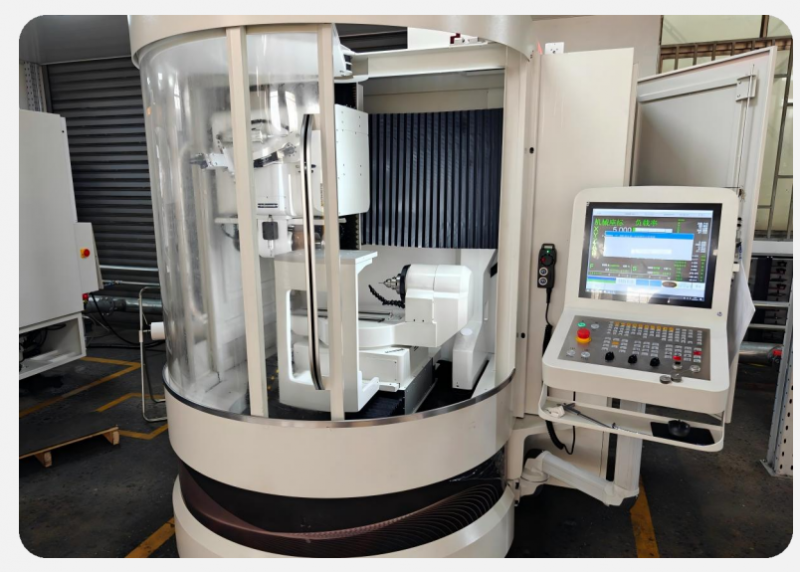
Aún así, La pantalla táctil conlleva limitaciones inherentes obvias en escenarios específicos.. No pueden adaptarse completamente a todos los entornos de trabajo y hábitos de operación.. Además, El uso inadecuado amplificará estos defectos menores.. Este artículo enumera objetivamente las principales desventajas de las pantallas táctiles., explica sus causas y comparte métodos prácticos para evitarlo.
Limitaciones de desgaste diario y durabilidad de la superficie
pantalla táctil Confíe en el vidrio expuesto y las capas de sensores para su funcionamiento.. Esta característica estructural trae consigo inevitables inconvenientes de durabilidad..
1. Susceptible a daños físicos en la superficie.
Los paneles de pantalla táctil se enfrentan al contacto directo todos los días. Los objetos afilados dejan rayones permanentes en la superficie de la pantalla. Un fuerte impacto o extrusión también dañará las capas de detección internas.. Los dispositivos públicos de alta frecuencia enfrentan mayores riesgos de daños que los equipos estáticos de interior.
2. Envejecimiento gradual después de un uso prolongado y frecuente.
Los golpes y deslizamientos repetidos a largo plazo provocan un envejecimiento sutil del sensor. La pantalla táctil pierde sensibilidad lentamente después de un funcionamiento prolongado. Los usuarios notarán un ligero desplazamiento táctil y gestos que no responden con el tiempo..
Interferencia ambiental y problemas de estabilidad
La mayoría de las pantallas táctiles estándar tienen una resistencia débil a factores ambientales complejos.. Estas condiciones externas afectan en gran medida su desempeño laboral..
1. Sensible al polvo, aceite y manchas
Huellas dactilares, El polvo y la grasa cubren fácilmente las pantallas táctiles en uso público.. Estas impurezas bloquean la inducción del sensor.. Provocan grifos perdidos, Toques falsos y precisión de reconocimiento inestable.. La limpieza periódica se convierte en una tarea diaria obligatoria.
2. Poca adaptabilidad bajo luz intensa.
La luz brillante y la luz solar directa crean un reflejo evidente en la pantalla. El deslumbramiento reduce la visibilidad de la pantalla y afecta el juicio del usuario. Además, La luz ambiental intensa interfiere con algunas señales de inducción táctil y retrasa la respuesta..
3. Restricciones de humedad y temperatura.
Las pantallas táctiles comerciales comunes no pueden funcionar de manera estable en ambientes demasiado húmedos. La humedad perturba las señales eléctricas internas.. Las temperaturas extremas también afectan la sensibilidad al tacto y reducen la estabilidad laboral general..
Desventajas operativas y funcionales de las pantallas táctiles
Los modos de interacción de la pantalla táctil han solucionado defectos funcionales en comparación con los métodos de entrada tradicionales.
1. Incompatible con la operación con guantes para modelos estándar
La pantalla táctil capacitiva más común solo responde a la piel humana desnuda. No reconocen comandos cuando los usuarios usan guantes. Este defecto limita su aplicación en talleres industriales y escenarios de trabajo en frío..
2. Baja precisión para operaciones finas complejas
El toque de la pantalla táctil se basa en el área de contacto de los dedos. No puede soportar un funcionamiento ultrafino y preciso. El ajuste de parámetros complejos y la edición detallada de datos resultan menos convenientes que el control del mouse y el teclado.
3. Falta de retroalimentación táctil para la operación.
La pantalla táctil no tiene respuesta de tecla física. Los usuarios no pueden confirmar operaciones mediante la sensación táctil.. Esta situación provoca fácilmente golpes repetidos y un mal funcionamiento durante el trabajo rápido y continuo..
Mayores requisitos de mantenimiento a largo plazo
En comparación con las pantallas de visualización tradicionales, La pantalla táctil necesita un trabajo de mantenimiento más estandarizado..
1. Necesita limpieza manual regular
Para mantener la sensibilidad estable, Los usuarios deben limpiar las pantallas táctiles con frecuencia.. La suciedad acumulada degradará continuamente el rendimiento táctil. Esto agrega una carga de trabajo de mantenimiento diario para los administradores de equipos..
2. Mayores riesgos de falla después de un funcionamiento prolongado
Las pantallas táctiles contienen estructuras sensoriales en capas. Estos componentes internos tienen más puntos de falla que los monitores comunes.. El funcionamiento ininterrumpido a largo plazo aumenta los riesgos ocultos de los equipos.
Preguntas frecuentes sobre las desventajas de las pantallas táctiles
Q1: ¿Cuál es la mayor desventaja de las pantallas táctiles estándar??
A1: La pantalla táctil estándar es sensible a la suciedad., Luz intensa y funcionamiento inadecuado.. Tampoco admiten el uso de guantes en la mayoría de los modelos básicos..
Q2: ¿Puede la pantalla táctil de grado industrial evitar fallas comunes??
A2: Las pantallas táctiles industriales optimizadas mejoran la durabilidad y la adaptabilidad ambiental. Reducen las desventajas más comunes pero aún tienen limitaciones menores en los escenarios..
Q3: ¿Por qué las pantallas táctiles a menudo tienen toques que no responden??
A3: Grasa superficial, acumulación de polvo, Los sensores antiguos o la interferencia de la luz ambiental provocan que el reconocimiento de la pantalla táctil no responda..
Q4: ¿Son las pantallas táctiles peores que el manejo del mouse y el teclado??
A4: La pantalla táctil destaca en operaciones rápidas y sencillas. Sin embargo, carecen de precisión y respuesta táctil para tareas complejas., Trabajos industriales y de oficina de alta precisión..
Q5: ¿Cómo pueden los usuarios reducir las desventajas de la pantalla táctil en el uso diario??
A5: Los usuarios mantienen las pantallas limpias, Evite entornos hostiles y seleccione tipos táctiles compatibles para los escenarios.. Estos métodos debilitan efectivamente la mayoría de las limitaciones de la pantalla táctil..
Conclusión
En breve, Las pantallas táctiles tienen claras desventajas, incluida la escasa durabilidad de la superficie., sensibilidad ambiental y limitaciones operativas. Las pantallas táctiles estándar tienen problemas con el funcionamiento con guantes, Fuerte interferencia de luz y fácil contaminación.. También requieren un mantenimiento regular para mantener un rendimiento estable.. Aún así, Los usuarios pueden compensar la mayoría de las fallas seleccionando grados de pantalla táctil adaptados al escenario y adoptando hábitos de mantenimiento estandarizados..
Si desea pantallas táctiles industriales y comerciales de alta adaptabilidad que reduzcan los inconvenientes de uso habituales, Por favor complete el formulario de consulta en nuestro sitio web oficial.. Comparta su entorno de trabajo y sus demandas de equipos, y nuestro equipo proporcionará soluciones de pantalla táctil optimizadas para su proyecto.