
Slim roosters hervorm die toekoms van energieverspreiding, die samesmelting van tradisionele kragnetwerke met digitale tegnologie om tweerigting-energievloei moontlik te maak, hernubare integrasie, en eis reaksie. Tog vereis die bestuur van hierdie komplekse stelsels presies, gesentraliseerde beheer - en standaard koppelvlakke skiet dikwels tekort. Lompe analoog kontroles, onsamehangende datastrome, en brose uitstallings sukkel om tred te hou met slimnetwerkdinamika, lei tot ondoeltreffendheid, vertraagde foutreaksie, en gemis optimeringsgeleenthede. Industriële raakpanele kom na vore as die ruggraat van slimnetwerkbedrywighede, ontwerp om monitering te verenig, beheer, en data-analise in een robuuste, intuïtiewe spilpunt.
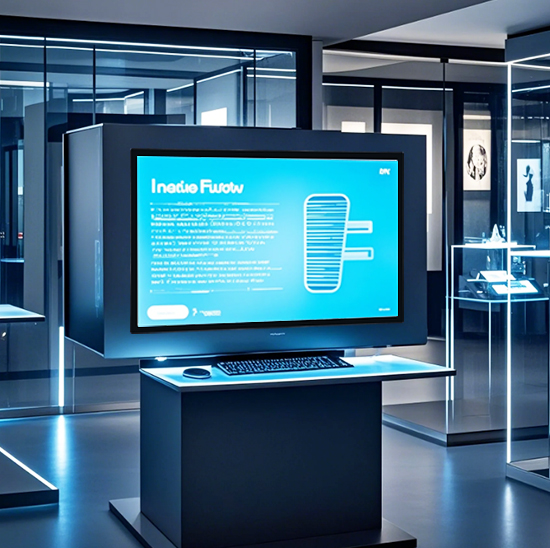
Hierdie panele lewer intydse sigbaarheid in roosterspanning, hernubare energie-uitset, lasvlakke, en toestelstatus, laat operateurs vinnig maak, data-gedrewe besluite. Hulle integreer naatloos met slim meters, omskakelaars, stelsels (ESS), en roosterbestuursagteware, ondersteun die buigsaamheid en skaalbaarheid wat slim roosters vereis. Of dit in substasies ontplooi word, beheersentrums, of verspreide energieterreine, Industriële raakpanele ontsluit die volle potensiaal van slimnetwerktegnologie. Hierdie artikel breek hul kernkenmerke af, voordele, toepassings, en Gereelde Vrae om te wys hoe hulle energieverspreiding revolusioneer.
Kernkenmerke van industriële raakpanele vir Smart Grid Tech
1. Real-Time Smart Grid Monitering & Datavisualisering
Akkuraat, kitsdata is van kritieke belang vir slimnetwerkstabiliteit—en hierdie panele lewer dit:
Sleutel metrieke dop: Monitor spanning, frekwensie, krag faktor, hernubare energie-uitset, en vragverspreiding oor die rooster.
Dinamies, aanpasbare dashboards: Pas aansigte aan om kritieke data te prioritiseer (bv., “Sonkrag/Wind-uitset," "Rastlaaibalans," "Foutwaarskuwings").
Kleurgekodeerde alarmstelsels: Visuele en oudio-waarskuwings vir roosterafwykings (oorladings, spanningskommelings, toerusting mislukkings) met prioriteitsrangorde.
Historiese data logging: Stoor 3–5 jaar se roosterdata vir tendensontleding, instandhoudingsbeplanning, en regulatoriese verslagdoening.
Hierdie vlak van sigbaarheid skakel blindekolle uit, verseker dat operateurs voor potensiële netwerkkwessies bly.
2. Robuust, Industriële graad duursaamheid vir roosteromgewings
Slimnetwerk-terreine—van substasies tot buitelug-hernubare plase—vra moeilike toerusting:
IP65/IP67 stof & water weerstand: Verseëlde omhulsels beskerm teen stof, vog, en weer in buitelug- en industriële omgewings.
Wye temperatuurverdraagsaamheid: Werk betroubaar van -20°C tot 60°C (-4°F tot 140 °F), om uiterste klimate in hernubare energie-terreine te pas.
Skok, vibrasie & EMI weerstand: Versterkte rame weerstaan vibrasies van transformators, terwyl EMI/RFI-afskerming interferensie van hoëspanningtoerusting blokkeer.
Korrosiebestande materiale: Vlekvrye staal of aluminium omhulsels weerstaan roes en degradasie van humiditeit of industriële besoedeling.
Hierdie duursaamheid verseker 24/7 operasie, selfs in die moeilikste slimnetwerk-omgewings.
3. Presisie roosterbeheer & Hernubare Energie-integrasie
Hierdie panele verander data in aksie om roosterprestasie te optimaliseer:
Lasbalansering outomatisering: Pas kragvloei aan om oorladings te voorkom en verseker stabiele spanning oor die rooster.
Hernubare energiebestuur: Sinkroniseer met sonkrag-/windomskakelaars om uitset aan te pas en veranderlike hernubare energie in die netwerk te integreer.
Eis reaksie aktivering: Sneller las inkorting vir nie-kritiese toestelle tydens spitsvraag om die rooster te stabiliseer.
Afstandbeheer van die toestel: Bedien stroombrekers, slim meters, en ESS op afstand, vermindering van ter plaatse tegnikus besoeke.
Hierdie presisiebeheer maksimeer roosterdoeltreffendheid en ondersteun die naatlose integrasie van groen energie.
4. Naatlose integrasie met Smart Grid-stelsels
Hulle verbind met bestaande infrastruktuur om bedryfsontwrigtings te vermy:
Verenigbaarheid met roostertoerusting: Werk met slim meters, omskakelaars, ESS, SCADA stelsels, en EMS-platforms van toonaangewende handelsmerke (Siemens, ABB, Schneider Electric).
Standaard kommunikasie protokolle: Ondersteun IEC 61850, Modbus TCP, MQTT, en Ethernet/IP vir veilige, stabiele data-oordrag in kritieke roosterbedrywighede.
Wolkverbinding: Stoot data na wolkgebaseerde roosterbestuurplatforms vir afstandmonitering en vlootwye beheer.
Oortollige stelsels: Dubbele kragbronne en netwerkverbindings verseker deurlopende werking as een stelsel misluk.
Hierdie integrasie verseker dat die panele naatloos in bestaande slimnetwerk-ekosisteme pas.
5. Gebruikersvriendelike koppelvlak & Toeganklikheid
Ontwerp vir netwerkoperateurs wat in hoë-insette omgewings werk:
Verenigbaarheid met handskoene: Verbeterde raaksensitiwiteit werk met geïsoleerde handskoene, sodat tegnici nie PPE in gevaarlike gebiede verwyder nie.
Intuïtiewe navigasie: Groot ikone, sleep-en-los funksionaliteit, en stap-vir-stap spyskaarte verminder opleidingstyd vir operateurs.
Lae lig sigbaarheid: Agterligte skerms en hoë-kontras beeldmateriaal verseker leesbaarheid in swak verligte substasies of nagbedrywighede.
Meertalige ondersteuning: Bied Engels aan, Spaans, Duits, en Chinees om voorsiening te maak vir globale netwerkbedryfspanne.
Sleutelvoordele van industriële raakpanele vir slim roosters
1. Verhoog roosterstabiliteit & Verminder onderbrekings
Slim roosters maak staat op stabiliteit - en hierdie panele versterk dit:
Verminder kragonderbrekings met 30–40%: Intydse foutopsporing laat operateurs kwessies isoleer voordat dit na die breër netwerk versprei.
Verbeter hernubare integrasie: Integreer veranderlike son-/windenergie glad om roosterfrekwensie en spanning te handhaaf.
Bespoedig herstel van onderbrekings: Afstandbeheer en duidelike foutdata verkort die hersteltyd vir geaffekteerde gebiede.
Voorkom waterval mislukkings: Vroeë waarskuwings vir oorladings of toerustingkwessies keer dat klein probleme groot onderbrekings word.
2. Verbeter operasionele doeltreffendheid & Laer koste
Hierdie panele stroomlyn werkvloeie en verminder operasionele uitgawes:
Sny tegnikus webwerf besoeke deur 50%: Afstandmonitering en -beheer skakel die behoefte aan ter plaatse kontrole van elke roosternodus uit.
Optimaliseer onderhoudskedules: Voorspellende waarskuwings vir slytasie van toerusting laat operateurs diens skeduleer voordat foute plaasvind.
Verminder energievermorsing: Identifiseer ondoeltreffende vragpatrone en pas verspreiding aan om transmissieverliese te minimaliseer.
Vereenvoudig voldoeningsverslagdoening: Outomatiese dataregistrasie genereer ouditgereed verslae vir energieregulasies.
3. Ondersteun skaalbaarheid vir die groei van slim roosters
Soos slim roosters uitbrei, hierdie panele groei saam met hulle:
Vlootwye bestuur: Monitor verskeie roosterwebwerwe (substasies, hernubare plase) vanaf 'n enkele gesentraliseerde dashboard.
Pas aan by nuwe tegnologieë: Integreer met opkomende slimnetwerktoestelle (slim sensors, mikroroosters) soos die netwerk ontwikkel.
Hanteer verhoogde dataladings: Verwerk en visualiseer data van duisende slim meters en toestelle sonder prestasieagterstand.
Aanpasbaar vir mikroroosters: Ondersteun kleinskaalse, gelokaliseerde roosterstelsels (bv., kampus of gemeenskapsmikroroosters) met pasgemaakte kontroles.
4. Verbeter operateursveiligheid & Besluitneming
Netwerkbedrywighede is 'n hoë risiko - en hierdie panele versag gevare:
Afgeleë werking: Laat tegnici toerusting vanaf veilige afstande beheer, blootstelling aan hoë spanning te verminder.
Datagedrewe insigte: Duidelike kontroleskerms en tendensontleding help operateurs om ingeligte besluite vinnig te neem.
Veiligheidsslotte: Voorkom ongemagtigde werking van kritieke roostertoerusting, die nakoming van veiligheidsprotokolle te verseker.
Intydse gevaarwaarskuwings: Waarsku operateurs van onverwagte spanningspyle of toerustingfoute voordat hulle gevaarlike gebiede betree.
Praktiese toepassings vir verskillende Smart Grid-instellings
1. Nutskaal Smart Grid-beheersentrums
Vir grootskaalse netwerkoperateurs wat plaaslike energieverspreiding bestuur:
Roosterwye monitering: Volg kragvloei vanaf substasies na eindgebruikers, met intydse vragbalansering.
Hernubare vlootbestuur: Monitor en pas uitset van verskeie sonkrag-/windplase aan om met die hoofnetwerk te integreer.
Eis reaksie koördinering: Aktiveer vragbeperkingsprogramme tydens spitsvraag om die rooster te stabiliseer.
2. Hernubare Energie Plaas Integrasie (Sonkrag/Wind)
Vir die koppeling van sonkrag/windplase aan die slimnetwerk:
Omskakelaar beheer: Pas omskakelaar-uitset aan om roosterspanning en frekwensievereistes te pas.
Energieberging sinchroniseer: Bestuur ESS om oortollige hernubare energie te stoor vir gebruik gedurende lae-produksieperiodes.
Nakoming van roosterkode: Verseker integrasie van hernubare energie voldoen aan plaaslike regulatoriese standaarde vir stabiliteit.
3. Mikronetwerkbestuur (Kampusse, Gemeenskappe)
Vir kleinskaalse, gelokaliseerde slim roosters:
Eilandmodusbeheer: Skakel mikronetwerke tussen netwerkgekoppelde en selfstandige werking tydens onderbrekings.
Laai prioritisering: Ken krag toe aan kritieke vragte (hospitale, skole) tydens beperkte energiebeskikbaarheid.
Verspreide generasiebestuur: Balanseer energie van sonpanele, windturbines, en rugsteunkragopwekkers.
4. Substasie-outomatisering
Vir die modernisering van tradisionele substasies in slimnetwerk-hubs:
Afstandbreker beheer: Bedien stroombrekers om foutiewe stroombane te isoleer sonder om die tegnikus op die terrein te besoek.
Transformator monitering: Volg temperatuur, laai, en doeltreffendheid om oorverhitting te voorkom en lewensduur te verleng.
SCADA-integrasie: Sinkroniseer met plantwye SCADA-stelsels vir end-tot-end rooster sigbaarheid en beheer.
Gereelde vrae oor industriële raakpanele vir Smart Grid Tech
V1: Sal hierdie panele met ons bestaande SCADA- of EMS-stelsel integreer?
A1: Ja! Hulle is versoenbaar met alle toonaangewende SCADA- en EMS-platforms en ondersteun standaard slimnetwerkprotokolle (OVK 61850, Modbus TCP). Ons span verifieer verenigbaarheid tydens opstelling vir naatlose integrasie.
V2: Hoe duursaam is hierdie panele vir buitelug-hernubare energie-terreine?
A2: Hulle is gebou vir buite gebruik—IP67 stof/water weerstand, wye temperatuurverdraagsaamheid (-20°C tot 60 °C), en korrosiebestande omhulsels. Die meeste modelle hou 8–10 jaar in daaglikse werking met minimale instandhouding.
V3: Kan operateurs op afstand toegang tot die panele se data kry vanaf beheersentrums buite die perseel?
A3: Absoluut. Met veilige wolkverbinding of VPN-toegang kan operateurs netwerkdata monitor, kontroles aanpas, en reageer op waarskuwings vanaf enige plek—ideaal vir multi-plek slimnetwerkbestuur.
V4: Vereis die panele gereelde kalibrasie of instandhouding?
A4: Minimale instandhouding is nodig. Die panele bevat selfdiagnostiese nutsmiddels om jou te waarsku oor moontlike probleme, en kalibrasie word slegs elke 1–2 jaar vereis. Ons span bied kalibrasie-ondersteuning as deel van waarborgdienste.
V5: Watter waarborg kom met Industrial Touch Panels vir slim roosters?
A5: Alle modelle sluit 'n 3-jaar waarborg in wat hardeware defekte dek, aanraakrespons, en integrasiekwessies. Verlengde 5-jaar waarborge is beskikbaar vir installasies op nutskaal, met 24/7 tegniese ondersteuning.
Gevolgtrekking
Industriële raakpanele is 'n hoeksteen van moderne slimnetwerktegnologie, die lewering van die gesentraliseerde beheer, intydse data, en robuuste duursaamheid wat nodig is om energieverspreiding te optimaliseer. Hul vermoë om hernubare energie te integreer, balanseer vragte, en ondersteuning afgeleë bedrywighede maak dit onontbeerlik vir nutsoperateurs, ontwikkelaars van hernubare energie, sowel as mikronetwerkbestuurders. Deur werkstrome te stroomlyn, veiligheid te verbeter, en die bevordering van roosterstabiliteit, hierdie panele baan die weg vir 'n meer doeltreffende, volhoubare slimnetwerktoekoms.
Gereed om jou slimnetwerk op te gradeer met betroubare, intuïtiewe industriële raakpanele? Vul die vorm op ons webwerf in om met ons slimnetwerk-tegnologiekundiges in aanraking te kom. Ons sal jou rooster se behoeftes assesseer, verifieer verenigbaarheid met bestaande toerusting, en beveel 'n pasgemaakte oplossing aan om doeltreffendheid en hernubare integrasie te maksimeer. Kom ons bou 'n slimmer, meer veerkragtige energienetwerk—begin vandag!