
In factory assembly lines—whether automotive, електроніка, or appliance manufacturing—Industrial HMI Screen act as the “bridge” between operators and machinery. They display real-time production data, simplify control commands, and reduce human errors, directly impacting assembly speed and accuracy. Проте, with varied screen sizes, touch technologies, and durability standards, selecting the right Industrial HMI Screen for your specific assembly scenario can be challenging. This guide breaks down critical selection criteria, scenario-based recommendations, and common pitfalls to help you pick a screen that aligns with your assembly line’s needs.
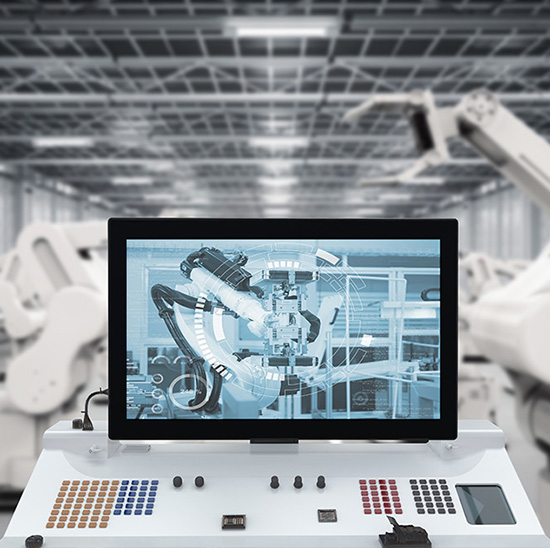
Core Factors to Evaluate When Choosing Industrial HMI Screens
Not all Industrial HMI Screens are built for factory assembly—prioritize these factors to avoid mismatches:
1. Durability for Assembly Line Environments
Factory floors expose screens to dust, масло, frequent cleaning, and occasional impacts. Look for:
Ступінь захисту: Minimum IP65 (resists water splashes and dust—essential for food or automotive assembly with washdowns).
Матеріал екрана: Chemically strengthened glass or anti-scratch film (prevents damage from tools or accidental bumps).
Термостійкість: -10°C до 60 °C (handles fluctuations in workshops with heating or cooling systems).
2. Розмір екрана & Resolution (Match Operator Workflow)
The right size ensures operators can read data without leaning in or straining:
Small screens (5–7 inches): Ideal for compact machinery (напр., small electronics assembly stations) where space is limited.
Medium screens (10–15 inches): Best for general assembly lines (напр., automotive part fitting) needing to display 3–5 data points (швидкість, error alerts, counts).
Large screens (17+ дюймів): Suitable for central control stations monitoring multiple assembly cells (requires high resolution: 1920×1080 or higher for clear multi-zone displays).
3. Дотик & Interface Compatibility
Assembly line operators need quick, accurate interactions—choose based on operation habits:
Touch type: Resistive (працює в рукавичках, critical for electronics assembly with anti-static gloves) or capacitive (faster response for high-speed lines).
Input options: Ensure support for external keyboards/mice (useful for complex data entry, напр., custom assembly parameters).
Інтеграція програмного забезпечення: Compatible with your PLC (Програмований логічний контролер) and MES (Manufacturing Execution System) to sync real-time data.
4. Надійність & Maintenance
Assembly lines run 8–24 hours daily—downtime due to screen failures is costly:
MTBF (Середній час між відмовами): Aim for 50,000+ години (еквівалентно 5+ років безперервного використання).
Easy replacement: Модульна конструкція (напр., detachable front panels) to reduce maintenance time (critical for lines with minimal shutdown windows).
Scenario-Based Recommendations for Factory Assembly
Different assembly environments demand tailored Industrial HMI Screens—here’s how to match them:
1. Automotive Assembly Lines
Needs: Resist oil, display real-time torque/position data, and work with heavy gloves.
Recommendation: 12–15 inch IP65-rated screens with resistive touch, 1000+ яскравість гнід (cuts glare from factory lighting).
2. Electronics Assembly (PCB/Battery Production)
Needs: Anti-static, compact size, and compatibility with precision control systems.
Recommendation: 7–10 inch screens with anti-static coating, ємнісний дотик (for fine adjustments), and RS485 interface (syncs with PCB testers).
3. Large Appliance Assembly (Washers, Refrigerators)
Needs: Display multi-step workflows, durable against bumps from large parts.
Recommendation: 15–17 inch screens with reinforced frames, wide viewing angles (so operators at different stations can read), and built-in error-logging software.
FAQs About Industrial HMI Screens for Factory Assembly
Q1: Can Industrial HMI Screens work in dusty environments like metal stamping workshops?
A1: Yes—choose screens with IP66 protection (fully dust-tight) and fanless designs (avoids drawing in dust). Regularly wipe the screen with a dry cloth to prevent buildup.
Q2: How to ensure the HMI screen integrates with our existing assembly line software?
A2: Provide your supplier with your PLC model (напр., Siemens S7-1200) and MES software version. Reputable suppliers will test compatibility and offer custom drivers if needed.
Q3: What’s the difference between Industrial HMI Screens and regular touchscreens?
A3: Regular touchscreens lack industrial-grade durability (напр., IP rating, температурна стійкість) and can’t sync with manufacturing equipment. Industrial HMI Screens are built for 24/7 operation and seamless machine communication.
Q4: How long do Industrial HMI Screens last in assembly lines?
A4: При правильному догляді (avoiding harsh chemicals, regular cleaning), they typically last 5–8 years. Screens in high-vibration environments (напр., біля штампувальних машин) may need replacement after 4–6 years.
Choosing the right Industrial HMI Screen for factory assembly hinges on matching durability, розмір, and compatibility to your specific line’s needs—whether it’s automotive, електроніка, or appliance manufacturing. The right screen reduces errors, speeds up operations, and minimizes downtime.
If you’re unsure which Industrial HMI Screen fits your assembly line (напр., need help with size selection or software integration), заповніть форму на нашому сайті. Our team will analyze your workshop environment, equipment models, and workflow requirements to recommend a tailored solution within 24 hours—helping you optimize your assembly process and avoid costly mistakes.