
ระบบกักเก็บแบตเตอรี่ถือเป็นหัวใจสำคัญของโครงข่ายพลังงานสมัยใหม่, การจัดเก็บพลังงานหมุนเวียน, อุปทานที่มีเสถียรภาพ, และสนับสนุนการดำเนินการสำรองข้อมูล. แต่อินเทอร์เฟซการควบคุมที่ล้าสมัยมักจะจำกัดศักยภาพของมัน: ปุ่มที่เกะกะ, ข้อมูลที่ไม่ได้เชื่อมต่อ, หรือจอแสดงผลที่เปราะบางส่งผลให้รอบการชาร์จไม่มีประสิทธิภาพ, พลาดโอกาสกริด, และการหยุดทำงานที่มีค่าใช้จ่ายสูง. ช่องว่างเหล่านี้ทำให้ผู้ปฏิบัติงานไม่สามารถปลดล็อกมูลค่าเต็มของการลงทุนในแบตเตอรี่ได้แผงสัมผัสทางอุตสาหกรรมสำหรับระบบจัดเก็บแบตเตอรี่ช่วยแก้ปัญหาความท้าทายที่สำคัญเหล่านี้.
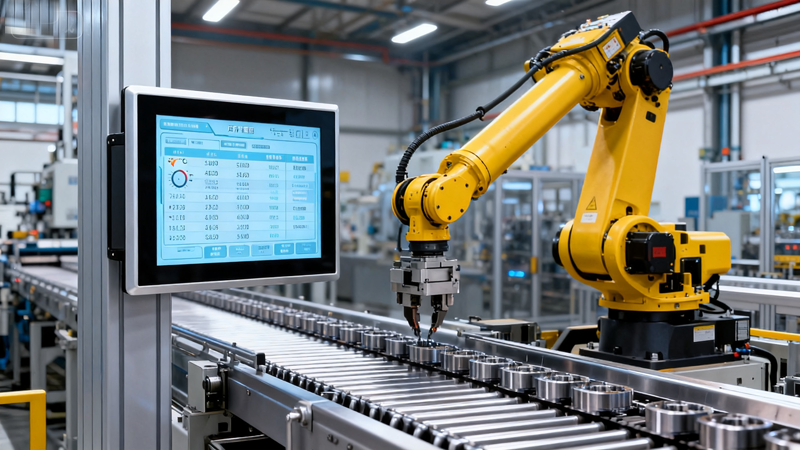
ออกแบบมาสำหรับสภาพแวดล้อมทางอุตสาหกรรม, แผงเหล่านี้รวมศูนย์การตรวจสอบและการควบคุมแบตเตอรีแบงค์, อินเวอร์เตอร์, และการเชื่อมต่อกริดผ่านอินเทอร์เฟซระบบสัมผัสที่ใช้งานง่าย. พวกเขาติดตามสถานะของค่าใช้จ่าย, อุณหภูมิ, และการไหลของพลังงานแบบเรียลไทม์, ช่วยให้สามารถปรับได้อย่างแม่นยำเพื่อยืดอายุการใช้งานและประสิทธิภาพของแบตเตอรี่ให้สูงสุด. ไม่ว่าจะใช้งานในสถานที่จัดเก็บข้อมูลระดับสาธารณูปโภคก็ตาม, ระบบสำรองข้อมูลเชิงพาณิชย์, หรือไมโครกริดพลังงานหมุนเวียน, แผงสัมผัสอุตสาหกรรมเหล่านี้เปลี่ยนที่จัดเก็บแบตเตอรี่ให้เป็นอัจฉริยะ, สินทรัพย์ที่ตอบสนอง. บทความนี้จะแจกแจงคุณสมบัติหลักของพวกเขา, ประโยชน์, การใช้งาน, และคำถามที่พบบ่อยเพื่อแสดงให้เห็นว่าสิ่งเหล่านี้ปฏิวัติการจัดการที่เก็บข้อมูลแบตเตอรี่อย่างไร.
คุณสมบัติหลักของแผงสัมผัสอุตสาหกรรมสำหรับระบบจัดเก็บแบตเตอรี่
1. การตรวจสอบประสิทธิภาพแบตเตอรี่แบบเรียลไทม์
ข้อมูลที่แม่นยำเป็นสิ่งสำคัญสำหรับการทำงานของแบตเตอรี่อย่างเหมาะสมที่สุด และแผงควบคุมเหล่านี้ก็ให้ข้อมูลดังกล่าวได้:
การติดตามตัวชี้วัดที่สำคัญ: ตรวจสอบสถานะการชาร์จ (โซซี), สถานะของสุขภาพ (โซฮ), แรงดันไฟฟ้า, ปัจจุบัน, และอุณหภูมิของเซลล์แบบเรียลไทม์.
การแจ้งเตือนด้วยรหัสสี: คำเตือนด้วยภาพสำหรับการชาร์จไฟเกิน, ความร้อนสูงเกินไป, SoC ต่ำ, หรือความไม่สมดุลของเซลล์เพื่อป้องกันความเสียหายของแบตเตอรี่.
แดชบอร์ดที่ปรับแต่งได้: ปรับแต่งมุมมองเพื่อจัดลำดับความสำคัญของตัวชี้วัดสำหรับผู้ปฏิบัติงาน, วิศวกร, หรือผู้จัดการพลังงาน (เช่น, “สถานะการส่งออกกริด,” “อายุการใช้งานแบตเตอรี่”).
อัตราการรีเฟรชข้อมูล: อัปเดตตัววัดทุกๆ 1–2 วินาทีเพื่อบันทึกการเปลี่ยนแปลงที่รวดเร็วของการไหลของพลังงานหรือสภาพแบตเตอรี่.
การมองเห็นในระดับนี้ช่วยให้ผู้ปฏิบัติงานมองเห็นปัญหาได้ทันทีที่เกิดขึ้น, หลีกเลี่ยงความล้มเหลวของแบตเตอรี่ที่มีราคาแพง.
2. การออกแบบเกรดอุตสาหกรรมที่ทนทาน
อุปกรณ์จัดเก็บแบตเตอรี่มีความเข้มงวด และแผงเหล่านี้ได้รับการออกแบบมาให้ทนทาน:
IP65/IP67 กันฝุ่นและน้ำ: เปลือกที่ปิดสนิทช่วยป้องกันฝุ่น, สารหล่อเย็นรั่วไหล, และความชื้นจากห้องแบตเตอรี่หรือการติดตั้งภายนอกอาคาร.
ทนต่ออุณหภูมิได้กว้าง: ทำงานได้อย่างน่าเชื่อถือตั้งแต่ -20°C ถึง 60°C (-4°F ถึง 140°F), ติดตั้งสิ่งอำนวยความสะดวกห้องเย็นหรือไมโครกริดทะเลทรายร้อน.
ทนต่อแรงกระแทกและการสั่นสะเทือน: โครงเสริมทนทานต่อการสั่นสะเทือนจากอินเวอร์เตอร์และการกระแทกเล็กน้อยระหว่างการบำรุงรักษา.
การป้องกัน EMI/RFI: ปิดกั้นการรบกวนทางแม่เหล็กไฟฟ้าจากเครื่องชาร์จแบตเตอรี่และอุปกรณ์กริดเพื่อให้มั่นใจถึงประสิทธิภาพที่มั่นคง.
รับประกันความทนทานนี้ 24/7 การดำเนินการ, แม้ในสภาพแวดล้อมทางอุตสาหกรรมที่มีความต้องการมากที่สุด.
3. การควบคุมแบตเตอรี่ที่แม่นยำ & บูรณาการกริด
แผงเหล่านี้เปลี่ยนข้อมูลให้เป็นการดำเนินการเพื่อเพิ่มประสิทธิภาพการใช้พลังงาน:
การควบคุมการชาร์จ/การคายประจุ: ปรับอัตราค่าธรรมเนียมให้เหมาะสมกับการจัดหาพลังงานหมุนเวียน (เช่น, การผลิตแสงอาทิตย์สูงสุด) หรือความต้องการกริด.
การซิงโครไนซ์กริด: ซิงค์เอาต์พุตแบตเตอรี่กับความถี่และแรงดันไฟฟ้าของกริดเพื่อรองรับความเสถียรของกริดและหลีกเลี่ยงการลดขนาด.
ระบบการโกนอัตโนมัติสูงสุด: คายประจุแบตเตอรี่โดยอัตโนมัติในช่วงเวลาที่มีความต้องการใช้งานสูงสุดเพื่อลดต้นทุนด้านสาธารณูปโภคสำหรับผู้ใช้เชิงพาณิชย์.
การเปิดใช้งานพลังงานสำรอง: เรียกใช้การสำรองแบตเตอรี่ทันทีเมื่อไฟฟ้าขัดข้อง, รับประกันการดำเนินงานอย่างต่อเนื่องสำหรับสิ่งอำนวยความสะดวกที่สำคัญ.
การควบคุมที่แม่นยำนี้ช่วยเพิ่มมูลค่าทางเศรษฐกิจของระบบจัดเก็บแบตเตอรี่ให้สูงสุด.
4. บูรณาการอย่างราบรื่นกับแบตเตอรี่ & ระบบพลังงาน
พวกเขาเชื่อมต่อกับโครงสร้างพื้นฐานที่มีอยู่ของคุณเพื่อหลีกเลี่ยงการหยุดชะงักของเวิร์กโฟลว์:
ความเข้ากันได้ของแบตเตอรี่: ทำงานร่วมกับลิเธียมไอออน, กรดตะกั่ว, และระบบโฟลแบตเตอรี่จากแบรนด์ชั้นนำ (เทสลา เมก้าแพ็ค, แคทล์, บีวายดี).
อินเวอร์เตอร์ & การรวมระบบ EMS: ซิงค์กับอินเวอร์เตอร์พลังงานแสงอาทิตย์, ระบบการจัดการพลังงาน (อีเอ็มเอส), และแพลตฟอร์ม SCADA เพื่อการมองเห็นแบบ end-to-end.
โปรโตคอลการสื่อสารที่หลากหลาย: รองรับ Modbus TCP, อีเทอร์เน็ต/ไอพี, มคต, และ CAN บัสเพื่อการถ่ายโอนข้อมูลที่เสถียรข้ามระบบ.
การเชื่อมต่อระบบคลาวด์: ส่งข้อมูลไปยังแพลตฟอร์มคลาวด์สำหรับการตรวจสอบระยะไกล, การวิเคราะห์ทางประวัติศาสตร์, และการจัดการทั่วทั้งกลุ่มยานพาหนะ.
5. ส่วนต่อประสานที่ใช้งานง่าย & การเข้าถึงระยะไกล
ทีมงานอุตสาหกรรมต้องการความเรียบง่าย, เครื่องมือที่ยืดหยุ่น—และแผงเหล่านี้ก็ช่วยได้:
ความเข้ากันได้ของถุงมือ: ความไวในการสัมผัสที่เพิ่มขึ้นใช้งานได้กับถุงมือทำงาน, เพื่อให้ผู้ปฏิบัติงานไม่ต้องถอด PPE ออกจากห้องแบตเตอรี่.
การนำทางที่ใช้งานง่าย: ไอคอนขนาดใหญ่และเมนูทีละขั้นตอนช่วยลดเวลาการฝึกอบรม, แม้แต่พนักงานที่ไม่ใช่ช่างเทคนิคก็ตาม.
ความสามารถในการควบคุมระยะไกล: ตรวจสอบและปรับการตั้งค่าแบตเตอรี่จากศูนย์ควบคุมนอกสถานที่หรืออุปกรณ์มือถือผ่านการเชื่อมต่อที่ปลอดภัย.
การสนับสนุนหลายภาษา: เสนอภาษาอังกฤษ, สเปน, เยอรมัน, และภาษาจีนเพื่อรองรับทีมงานอุตสาหกรรมระดับโลก.
ประโยชน์ที่สำคัญสำหรับผู้ปฏิบัติงานด้านการจัดเก็บแบตเตอรี่
1. เพิ่มอายุการใช้งานแบตเตอรี่ให้สูงสุด & ลดต้นทุนการเปลี่ยนทดแทน
การเสื่อมสภาพของแบตเตอรี่มีค่าใช้จ่ายสูงและแผงเหล่านี้ทำให้การทำงานช้าลง:
ยืดอายุแบตเตอรี่ขึ้น 15–25%: การควบคุมการชาร์จ/คายประจุที่แม่นยำช่วยป้องกันการชาร์จไฟเกินและการคายประจุลึก, สาเหตุหลักของการเสื่อมสภาพ.
ระบุความไม่สมดุลของเซลล์ตั้งแต่เนิ่นๆ: การแจ้งเตือนความแตกต่างของแรงดันไฟฟ้าของเซลล์ช่วยให้ผู้ปฏิบัติงานสามารถแก้ไขปัญหาได้ก่อนที่จะสร้างความเสียหายให้กับแบตเตอรีทั้งหมด.
เพิ่มประสิทธิภาพการจัดการอุณหภูมิ: ตรวจสอบอุณหภูมิของเซลล์เพื่อป้องกันการระบายความร้อนและรับประกันประสิทธิภาพที่สม่ำเสมอทั่วทั้งธนาคาร.
ลดความถี่ในการเปลี่ยน: อายุการใช้งานแบตเตอรี่ที่ยาวนานขึ้นช่วยลดความจำเป็นในการเปลี่ยนแบตเตอรี่ที่มีราคาแพง, ลดค่าใช้จ่ายในการดำเนินงานในระยะยาว.
2. เพิ่มประสิทธิภาพการใช้พลังงาน & ค่ากริด
แผงเหล่านี้เปลี่ยนพื้นที่จัดเก็บแบตเตอรี่ให้เป็นสินทรัพย์ที่สร้างรายได้:
เพิ่มการใช้พลังงานหมุนเวียน: เก็บพลังงานแสงอาทิตย์/พลังงานลมส่วนเกินไว้ใช้ในภายหลัง, ลดการพึ่งพาเชื้อเพลิงฟอสซิล.
ตัดค่าใช้จ่ายความต้องการสูงสุด: ระบบการโกนสูงสุดโดยอัตโนมัติเพื่อหลีกเลี่ยงค่าธรรมเนียมสาธารณูปโภคที่มีราคาแพง, ช่วยให้ผู้ใช้เชิงพาณิชย์ประหยัดค่าพลังงานได้ 20–30%.
รองรับบริการกริด: เข้าร่วมในการควบคุมความถี่หรือโปรแกรมตอบสนองความต้องการเพื่อรับรายได้เพิ่มเติมจากผู้ให้บริการโครงข่าย.
ลดการสูญเสียพลังงานให้เหลือน้อยที่สุด: ปรับรอบการชาร์จให้เหมาะสมเพื่อให้ตรงกับช่วงพลังงานกริดที่มีต้นทุนต่ำ, ลดค่าไฟฟ้าโดยรวม.
3. ลดความซับซ้อนในการบำรุงรักษา & ปรับปรุงความปลอดภัย
ความปลอดภัยในการจัดเก็บแบตเตอรี่ไม่สามารถต่อรองได้ และแผงเหล่านี้ก็รองรับเช่นกัน:
การแจ้งเตือนการบำรุงรักษาเชิงคาดการณ์: ระบุแนวโน้มการเสื่อมสภาพของแบตเตอรี่เพื่อกำหนดเวลาการบริการก่อนที่จะเกิดความล้มเหลว.
การวินิจฉัยระยะไกล: แก้ไขปัญหาจากสถานที่นอกสถานที่, ลดความจำเป็นในการเยี่ยมชมห้องแบตเตอรี่อันตรายนอกสถานที่.
บูรณาการโปรโตคอลความปลอดภัย: กระตุ้นระบบระบายอากาศหรือทำความเย็นโดยอัตโนมัติหากอุณหภูมิของแบตเตอรี่สูงเกินระดับที่ปลอดภัย.
การควบคุมการเข้าถึง: จำกัดการดำเนินการที่มีความละเอียดอ่อน (เช่น, การปลดปล่อยด้วยตนเอง) แก่ผู้ใช้ที่ได้รับอนุญาต, ทำให้มั่นใจได้ถึงการทำงานที่สอดคล้องและปลอดภัย.
4. เพิ่มทัศนวิสัยในการปฏิบัติงาน & การตัดสินใจ
ข้อมูลเชิงลึกที่ขับเคลื่อนด้วยข้อมูลนำไปสู่การจัดการพลังงานที่ชาญฉลาดยิ่งขึ้น:
การวิเคราะห์ประสิทธิภาพในอดีต: ติดตาม SoH ของแบตเตอรี่และการไหลของพลังงานในช่วงเวลาหนึ่งเพื่อระบุรูปแบบประสิทธิภาพ.
เครื่องมือการรายงานแบบกำหนดเอง: สร้างรายงานต้นทุนพลังงาน, รายได้จากการส่งออกกริด, และสุขภาพแบตเตอรี่เพื่อแบ่งปันกับผู้มีส่วนได้ส่วนเสีย.
การวางแผนสถานการณ์: ใช้ข้อมูลในอดีตเพื่อจำลองประสิทธิภาพของแบตเตอรี่ภายใต้กริดหรือสภาวะพลังงานหมุนเวียนที่แตกต่างกัน.
การจัดการทั่วทั้งกองเรือ: ตรวจสอบไซต์จัดเก็บแบตเตอรี่หลายแห่งจากแดชบอร์ดเดียว, เหมาะสำหรับผู้ปฏิบัติงานระดับสาธารณูปโภค.
การใช้งานจริงสำหรับการตั้งค่าการจัดเก็บแบตเตอรี่ที่แตกต่างกัน
1. สิ่งอำนวยความสะดวกการจัดเก็บแบตเตอรี่ขนาดอเนกประสงค์
สำหรับระบบจัดเก็บข้อมูลที่เชื่อมต่อกับกริดขนาดใหญ่:
การตรวจสอบยานพาหนะ: ติดตามโมดูลแบตเตอรี่หลายร้อยรายการจากแดชบอร์ดแผงสัมผัสส่วนกลาง.
รองรับความเสถียรของกริด: ปรับเอาต์พุตแบตเตอรี่เพื่อรักษาความถี่และแรงดันไฟฟ้าของกริดระหว่างความต้องการสูงสุดหรือไฟฟ้าดับ.
การเพิ่มประสิทธิภาพรายได้: เข้าร่วมในตลาดขายส่งพลังงานและบริการกริดเพื่อเพิ่มผลกำไรสูงสุด.
2. ทางการค้า & ทางอุตสาหกรรม (ค&ฉัน) ระบบสำรองข้อมูล
สำหรับโรงงาน, ศูนย์ข้อมูล, และสิ่งอำนวยความสะดวกการค้าปลีก:
การควบคุมพลังงานสำรอง: เรียกใช้การสำรองแบตเตอรี่ทันทีในระหว่างที่ไฟฟ้าขัดข้องเพื่อปกป้องการดำเนินงานที่สำคัญ.
ระบบการโกนอัตโนมัติสูงสุด: ลดค่าใช้จ่ายความต้องการพลังงานสูงสุดโดยการคายประจุแบตเตอรี่ในช่วงระยะเวลาพลังงานที่มีต้นทุนสูง.
การบริโภคพลังงานแสงอาทิตย์ด้วยตนเอง: เก็บพลังงานแสงอาทิตย์ส่วนเกินบนหลังคาเพื่อใช้ในช่วงเย็น, ลดการพึ่งพาพลังงานกริด.
3. ไมโครกริดพลังงานทดแทน
สำหรับระบบพลังงานแสงอาทิตย์/ลมนอกกริด (ชุมชนห่างไกล, แหล่งขุด):
โหลดบาลานซ์: ปรับการชาร์จ/คายประจุแบตเตอรี่ให้ตรงกับการจัดหาพลังงานหมุนเวียนและอุปสงค์ในท้องถิ่น.
ความน่าเชื่อถือนอกกริด: ตรวจสอบให้แน่ใจว่ามีไฟฟ้าสม่ำเสมอสำหรับสิ่งอำนวยความสะดวกระยะไกลที่ไม่มีการเข้าถึงโครงข่าย.
การควบคุมระบบไฮบริด: จัดการพลังงานแสงอาทิตย์แบบรวม, ลม, และระบบแบตเตอรี่จากอินเทอร์เฟซเดียว.
4. ที่อยู่อาศัย & ที่เก็บแบตเตอรี่หลายหน่วย
สำหรับอพาร์ตเมนต์ขนาดใหญ่หรือชุมชนที่อยู่อาศัย:
การจัดการแบตเตอรี่แบบรวมศูนย์: ตรวจสอบธนาคารแบตเตอรี่ที่ใช้ร่วมกันเพื่อสนับสนุนโครงการพลังงานแสงอาทิตย์ของชุมชน.
การกระจายพลังงานสำรอง: จัดสรรพลังงานแบตเตอรี่ให้กับพื้นที่วิกฤติ (เช่น, แสงบันได, ระบบรักษาความปลอดภัย) ในระหว่างที่ไฟฟ้าดับ.
การจัดสรรต้นทุน: ติดตามการใช้พลังงานต่อหน่วยเพื่อเรียกเก็บเงินจากผู้อยู่อาศัยอย่างยุติธรรมสำหรับการเข้าถึงที่เก็บแบตเตอรี่.
คำถามที่พบบ่อยเกี่ยวกับแผงสัมผัสอุตสาหกรรมสำหรับระบบจัดเก็บแบตเตอรี่
ไตรมาสที่ 1: แผงสัมผัสทางอุตสาหกรรมจะทำงานร่วมกับประเภทแบตเตอรี่ที่มีอยู่ของฉันหรือไม่ (ลิเธียมไอออน, กรดตะกั่ว, ฯลฯ)?
A1: ใช่. เข้ากันได้กับเคมีแบตเตอรี่หลักๆ ทั้งหมด, รวมถึงลิเธียมไอออน, กรดตะกั่ว, ไหล, และแบตเตอรี่ที่ใช้นิกเกิล. ทีมของเราตรวจสอบความเข้ากันได้ระหว่างการตั้งค่าเพื่อให้แน่ใจว่าสามารถบูรณาการได้อย่างราบรื่น.
ไตรมาสที่ 2: แผงสำหรับสภาพแวดล้อมห้องแบตเตอรี่มีความทนทานเพียงใด?
A2: สร้างมาเพื่อการตั้งค่าแบตเตอรี่ระดับอุตสาหกรรม—กันน้ำ/ฝุ่นระดับ IP67, ทนต่ออุณหภูมิได้กว้าง, และการป้องกัน EMI. โมเดลส่วนใหญ่มีอายุการใช้งาน 8-10 ปีในแต่ละวันโดยมีการบำรุงรักษาน้อยที่สุด.
ไตรมาสที่ 3: ฉันสามารถเข้าถึงข้อมูลของแผงควบคุมจากระยะไกลจากศูนย์ควบคุมนอกสถานที่ได้หรือไม่?
A3: อย่างแน่นอน. การเชื่อมต่อคลาวด์ที่ปลอดภัยช่วยให้คุณตรวจสอบประสิทธิภาพแบตเตอรี่, ปรับการตั้งค่า, และรับการแจ้งเตือนจากอุปกรณ์ใดๆ ที่มีการเข้าถึงอินเทอร์เน็ต เหมาะสำหรับผู้ให้บริการหลายไซต์.
ไตรมาสที่ 4: แผงควบคุมรองรับการปรับจุดสูงสุดอัตโนมัติและการซิงโครไนซ์กริดหรือไม่?
A4: ใช่. ประกอบด้วยเครื่องมืออัตโนมัติในตัวเพื่อการโกนสูงสุด, การตอบสนองความต้องการ, และการซิงโครไนซ์กริด. คุณสามารถปรับแต่งกฎเพื่อให้ตรงกับเป้าหมายด้านพลังงานและข้อกำหนดด้านกริดของคุณได้.
คำถามที่ 5: แผงสัมผัสอุตสาหกรรมมีการรับประกันอะไรบ้างสำหรับระบบจัดเก็บแบตเตอรี่?
A5: ทุกรุ่นมีการรับประกัน 3 ปีซึ่งครอบคลุมถึงข้อบกพร่องของฮาร์ดแวร์, การตอบสนองการสัมผัส, และประเด็นบูรณาการ. มีการรับประกันขยายเวลาอีก 5 ปีสำหรับการติดตั้งระดับสาธารณูปโภค, กับ 24/7 การสนับสนุนด้านเทคนิค.
บทสรุป
แผงสัมผัสทางอุตสาหกรรมสำหรับระบบจัดเก็บแบตเตอรี่เป็นเครื่องมือที่ขาดไม่ได้ในการเพิ่มประสิทธิภาพสูงสุด, อายุการใช้งาน, และความสามารถในการทำกำไรของสินทรัพย์แบตเตอรี่. การออกแบบที่ทนทานของพวกเขา, การตรวจสอบแบบเรียลไทม์, และความสามารถในการควบคุมที่แม่นยำทำให้เหมาะสำหรับสิ่งอำนวยความสะดวกระดับสาธารณูปโภค, ระบบสำรองข้อมูลเชิงพาณิชย์, และไมโครกริดที่หมุนเวียนได้เหมือนกัน. โดยรวมศูนย์การจัดการแบตเตอรี่และบูรณาการเข้ากับระบบกริดและระบบหมุนเวียนได้อย่างราบรื่น, แผงเหล่านี้เปลี่ยนที่เก็บแบตเตอรี่ให้เป็นอัจฉริยะ, โซลูชันที่ตอบสนองต่อความท้าทายด้านพลังงานยุคใหม่.
พร้อมเพิ่มประสิทธิภาพระบบจัดเก็บแบตเตอรี่ของคุณด้วยความน่าเชื่อถือ, แผงสัมผัสอุตสาหกรรมที่ใช้งานง่าย? กรอกแบบฟอร์มบนเว็บไซต์ของเราเพื่อติดต่อกับผู้เชี่ยวชาญด้านการจัดเก็บพลังงานของเรา. เราจะประเมินการตั้งค่าแบตเตอรี่ของคุณ, ตรวจสอบความเข้ากันได้, และแนะนำโซลูชันที่ปรับแต่งโดยเฉพาะเพื่อเพิ่มประสิทธิภาพการใช้พลังงานและ ROI ของคุณ. มาเปลี่ยนพื้นที่จัดเก็บแบตเตอรี่ของคุณให้เป็นทรัพย์สินที่มีประสิทธิภาพสูง เริ่มตั้งแต่วันนี้!