
ในวิวัฒนาการของระบบควบคุมโรงงาน, สองทางเลือกกลายเป็นตัวเลือกหลักสำหรับผู้ปฏิบัติงาน: จอแสดงผล HMI อุตสาหกรรมและแผงแบบดั้งเดิม. ในขณะที่แผงแบบดั้งเดิม—มีปุ่มทางกายภาพมากมาย, หน้าปัด, และเกจแบบแอนะล็อก—ถือเป็นหัวใจสำคัญของการควบคุมการผลิตมายาวนาน, จอแสดงผล HMI อุตสาหกรรม (อินเทอร์เฟซระหว่างมนุษย์กับเครื่องจักร) กำลังได้รับความนิยมอย่างรวดเร็วด้วยความยืดหยุ่นทางดิจิทัลและความสามารถในการบูรณาการ. สำหรับผู้จัดการโรงงาน, การตัดสินใจระหว่างทั้งสองไม่ได้เป็นเพียงเกี่ยวกับเทคโนโลยีเท่านั้น แต่ยังเกี่ยวกับการเลือกระบบที่สอดคล้องกับเป้าหมายการผลิตอีกด้วย, เวิร์กโฟลว์ของผู้ปฏิบัติงาน, และประสิทธิภาพในระยะยาว. คู่มือนี้จะเปรียบเทียบจอแสดงผล HMI ระดับอุตสาหกรรมและแผงแบบดั้งเดิมกับปัจจัยสำคัญต่างๆ เช่น ฟังก์ชันการทำงาน, ค่าใช้จ่าย, การปรับตัว, และประสบการณ์การใช้งาน, ช่วยให้คุณตัดสินใจได้ว่าโซลูชันใดที่เหมาะกับความต้องการของโรงงานของคุณมากที่สุด.
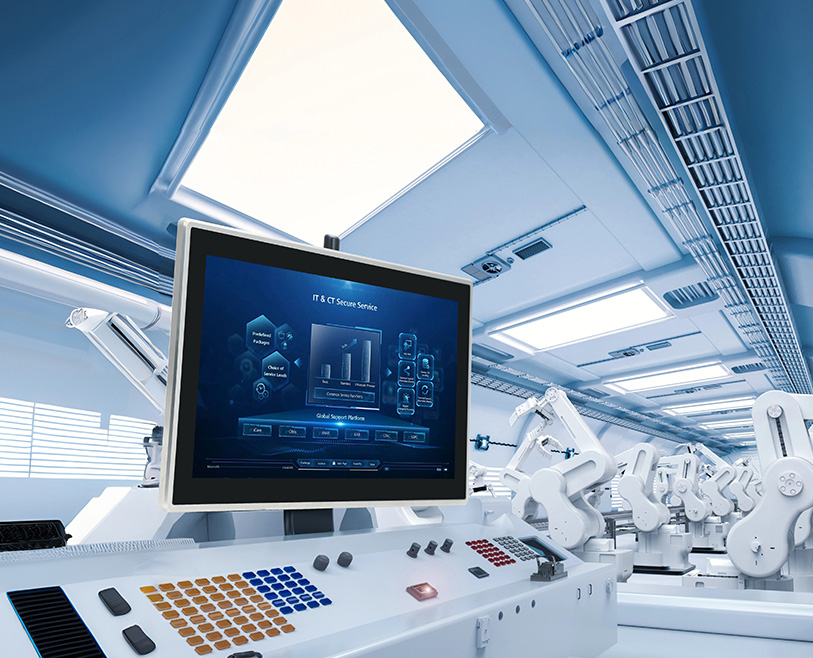
ความแตกต่างหลักในด้านฟังก์ชันการทำงานและการใช้งาน
ความแตกต่างที่ส่งผลกระทบมากที่สุดระหว่างจอแสดงผล HMI อุตสาหกรรมและแผงแบบดั้งเดิมอยู่ที่วิธีที่ทำให้สามารถควบคุมและการโต้ตอบกับข้อมูลได้:
1. การแสดงข้อมูลและการเข้าถึง
จอแสดงผล HMI อุตสาหกรรม: ระบบดิจิทัลเหล่านี้เก่งในการรวบรวมข้อมูลแบบเรียลไทม์ให้เป็นภาพที่ใช้งานง่าย. ผู้ปฏิบัติงานสามารถดูตัวชี้วัดการผลิตได้, สถานะของเครื่อง, และแจ้งเตือนข้อผิดพลาดบนหน้าจอเดียว, ด้วยแดชบอร์ดที่ปรับแต่งได้ซึ่งเน้นข้อมูลที่สำคัญ (เช่น, เหตุผลในการหยุดทำงาน, อัตราผลตอบแทน). โมเดลขั้นสูงยังรองรับกราฟแนวโน้มและการเปรียบเทียบข้อมูลในอดีตอีกด้วย, ช่วยให้ผู้ปฏิบัติงานสามารถระบุรูปแบบได้อย่างรวดเร็ว.
แผงแบบดั้งเดิม: แผงทางกายภาพถูกจำกัดไว้เพียงเกจและไฟ LED แต่ละตัว, ทำให้เชื่อมต่อจุดข้อมูลได้ยาก. ตัวอย่างเช่น, การตรวจสอบอุณหภูมิของเครื่องควบคู่ไปกับอัตราเอาท์พุตอาจต้องดูที่ปุ่มหมุนสองอันที่แยกจากกัน, ทำให้การตัดสินใจช้าลง.
2. ความยืดหยุ่นในการควบคุม
จอแสดงผล HMI อุตสาหกรรม: ข้อเสนอแบบไดนามิก, การควบคุมที่ขับเคลื่อนด้วยซอฟต์แวร์. ผู้ประกอบการสามารถปรับการตั้งค่าได้ (เช่น, ความเร็ว, ความดัน) ผ่านอินพุตแบบสัมผัส, บันทึกการกำหนดค่าที่กำหนดไว้ล่วงหน้าสำหรับงานที่เกิดซ้ำ, และแม้แต่ลำดับอัตโนมัติด้วยการแตะเพียงไม่กี่ครั้ง. ความยืดหยุ่นนี้มีค่ามากสำหรับโรงงานที่มีขั้นตอนการผลิตที่หลากหลาย (เช่น, สลับระหว่างรุ่นผลิตภัณฑ์).
แผงแบบดั้งเดิม: อาศัยการควบคุมทางกายภาพคงที่. การเปลี่ยนการตั้งค่ามักหมายถึงการปรับแป้นหมุนเฉพาะหรือการกดปุ่มเฉพาะ, มีพื้นที่ให้ปรับแต่งเพียงเล็กน้อย. การปรับให้เข้ากับข้อกำหนดการผลิตใหม่อาจต้องมีการเดินสายใหม่หรือเปลี่ยนส่วนประกอบ ซึ่งเป็นกระบวนการที่ใช้เวลานาน.
3. เส้นโค้งการเรียนรู้ของผู้ปฏิบัติงาน
จอแสดงผล HMI อุตสาหกรรม: ในขณะที่จำเป็นต้องมีการฝึกอบรมเบื้องต้นเพื่อสำรวจเมนูดิจิทัล, ผู้ปฏิบัติงานส่วนใหญ่ปรับตัวเข้ากับอินเทอร์เฟซแบบสัมผัสที่ใช้งานง่ายได้อย่างรวดเร็ว (คล้ายกับสมาร์ทโฟน). สามารถสร้างบทช่วยสอนและคำแนะนำบนหน้าจอลงในซอฟต์แวร์ได้, ลดเวลาการฝึกอบรมพนักงานใหม่.
แผงแบบดั้งเดิม: จำเป็นต้องจดจำฟังก์ชันของปุ่มและการอ่านเกจ, ซึ่งอาจล้นหลามสำหรับผู้ประกอบการรายใหม่. ความผิดพลาด (เช่น, กดปุ่มผิด) เป็นเรื่องธรรมดามากขึ้น, โดยเฉพาะในสถานการณ์ที่มีความเครียดสูง.
การเปรียบเทียบต้นทุน: การลงทุนเริ่มแรกเทียบกับ. มูลค่าระยะยาว
การพิจารณางบประมาณมีบทบาทสำคัญในการตัดสินใจ, แต่สิ่งสำคัญคือต้องมองข้ามต้นทุนล่วงหน้า:
1. การซื้อและติดตั้งเบื้องต้น
จอแสดงผล HMI อุตสาหกรรม: มีค่าใช้จ่ายล่วงหน้าที่สูงขึ้น, ตั้งแต่ 500 ถึง 5,000+ ขึ้นอยู่กับขนาดและคุณสมบัติ (เช่น, ความทนทาน, การเชื่อมต่อ). การติดตั้งอาจมีค่าใช้จ่ายเพิ่มขึ้นเนื่องจากการตั้งค่าซอฟต์แวร์และการรวมเข้ากับระบบที่มีอยู่ (เช่น, PLC, MES).
แผงแบบดั้งเดิม: โดยทั่วไปจะมีค่าใช้จ่ายน้อยลงในช่วงแรก (200 ถึง1,500) และติดตั้งง่ายกว่า, เนื่องจากต้องมีการเดินสายไฟพื้นฐานเพื่อเชื่อมต่อกับเครื่องจักร.
2. การบำรุงรักษาและการดูแลรักษา
จอแสดงผล HMI อุตสาหกรรม: ต้องมีการอัปเดตซอฟต์แวร์เป็นระยะ (มักจะฟรี) เพื่อแก้ไขข้อบกพร่องหรือเพิ่มคุณสมบัติ. การบำรุงรักษาฮาร์ดแวร์มีเพียงเล็กน้อย, แม้ว่าจะเปลี่ยนหน้าจอก็ตาม (ถ้าเกิดความเสียหาย) อาจมีราคาแพง. อย่างไรก็ตาม, ลักษณะดิจิทัลช่วยลดการสึกหรอจากการกดปุ่ม
แผงแบบดั้งเดิม: ส่วนประกอบทางกายภาพ (เช่น, ปุ่ม, โพเทนชิโอมิเตอร์) เสื่อมสภาพตามกาลเวลาและจำเป็นต้องเปลี่ยนบ่อยครั้ง ซึ่งส่งผลให้ค่าอะไหล่และค่าแรงเพิ่มขึ้น. การเดินสายสำหรับการอัปเกรดยังต้องเสียค่าใช้จ่ายอย่างต่อเนื่อง
3. ความสามารถในการขยายขนาดและการพิสูจน์อักษรแห่งอนาคต
จอแสดงผล HMI อุตสาหกรรม: ขยายขนาดได้อย่างง่ายดายตามการเติบโตของโรงงาน. การเพิ่มเครื่องจักรหรือสายการผลิตใหม่มักเกี่ยวข้องกับการอัพเดตการตั้งค่าซอฟต์แวร์แทนที่จะเปลี่ยนฮาร์ดแวร์. นอกจากนี้ยังผสานรวมเข้ากับเทคโนโลยีโรงงานอัจฉริยะได้อย่างราบรื่น (เช่น, เซ็นเซอร์ไอโอที, การวิเคราะห์ที่ขับเคลื่อนด้วย AI), สร้างความมั่นใจในความเกี่ยวข้องระยะยาว.
แผงแบบดั้งเดิม: ขาดความสามารถในการขยายขนาด. การขยายการผลิตอาจต้องใช้แผงใหม่ทั้งหมด, และพวกเขาประสบปัญหาในการเชื่อมต่อกับระบบดิจิทัลสมัยใหม่ ซึ่งเสี่ยงต่อการล้าสมัยเนื่องจากโรงงานต่างๆ หันมาใช้อุตสาหกรรม 4.0 การปฏิบัติ.
กรณีการใช้งานที่เหมาะสมที่สุดสำหรับแต่ละโซลูชัน
ไม่มีตัวเลือกใดดีไปกว่านี้ในระดับสากล ความเหมาะสมขึ้นอยู่กับความต้องการเฉพาะของโรงงานของคุณ:
1. เมื่อใดจึงควรเลือกจอแสดงผล HMI อุตสาหกรรม
การผลิตที่มีความแปรปรวนสูง: โรงงานที่สลับไปมาระหว่างผลิตภัณฑ์หรือสูตรอาหาร (เช่น, การแปรรูปอาหาร, การประกอบอุปกรณ์อิเล็กทรอนิกส์) ได้รับประโยชน์จากการตั้งค่าล่วงหน้าที่ปรับแต่งได้และการปรับเปลี่ยนอย่างรวดเร็ว
การดำเนินงานที่ขับเคลื่อนด้วยข้อมูล: สิ่งอำนวยความสะดวกที่มุ่งเน้นการปรับปรุงอย่างต่อเนื่องจำเป็นต้องมีการวิเคราะห์แบบเรียลไทม์และการติดตามแนวโน้มที่จอแสดงผล HMI มีให้
ระบบขนาดใหญ่หรือซับซ้อน: โรงงานที่มีเครื่องจักรเชื่อมต่อกันหลายเครื่อง (เช่น, สายการประกอบรถยนต์) พึ่งพาจอแสดงผล HMI เพื่อรวมศูนย์การควบคุมและลดภาระงานของผู้ปฏิบัติงาน.
2. เมื่อใดจึงควรใช้แผงแบบดั้งเดิม
เรียบง่าย, งานที่ซ้ำกัน: โรงงานขนาดเล็กที่ใช้เครื่องจักรเพียงเครื่องเดียว (เช่น, สายการบรรจุแบบสแตนด์อโลน) อาจไม่ต้องการความซับซ้อนของการแสดงผล HMI.
ข้อจำกัดด้านงบประมาณต่ำ: สำหรับสิ่งอำนวยความสะดวกที่มีเงินทุนล่วงหน้าจำกัดและแผนการเติบโตขั้นต่ำ, แผงแบบดั้งเดิมนำเสนอโซลูชั่นระยะสั้นที่คุ้มต้นทุน
สภาพแวดล้อมที่รุนแรงและมีข้อจำกัดอย่างมาก: ในบางกรณีที่เกิดขึ้นไม่บ่อยนัก เช่น สิ่งอำนวยความสะดวกที่มีการสั่นสะเทือนอย่างต่อเนื่องหรือการสัมผัสสารเคมีที่ทำให้หน้าจอสัมผัสเสียหาย แผงแบบดั้งเดิมที่ทนทานอาจมีความทนทานมากกว่า (แม้ว่าจอแสดงผล HMI หลายรุ่นจะมีระดับ IP67+ ก็ตาม).
คำถามที่พบบ่อยเกี่ยวกับจอแสดงผล HMI อุตสาหกรรมและแผงแบบดั้งเดิม
ไตรมาสที่ 1: จอแสดงผล HMI อุตสาหกรรมสามารถแทนที่แผงแบบเดิมทั้งหมดในโรงงานได้หรือไม่?
A1: ในกรณีส่วนใหญ่, ใช่ โดยเฉพาะอย่างยิ่งกับรุ่น HMI ที่ทันสมัยและทนทาน. อย่างไรก็ตาม, โรงงานบางแห่งเก็บแผงแบบดั้งเดิมไว้สองสามแผงเพื่อสำรองสำหรับการควบคุมเหตุฉุกเฉินที่สำคัญ (เช่น, ปุ่มหยุดฉุกเฉิน).
ไตรมาสที่ 2: จอแสดงผล HMI อุตสาหกรรมมีแนวโน้มที่จะหยุดทำงานเนื่องจากปัญหาซอฟต์แวร์หรือไม่?
A2: ไม่—ด้วยการอัพเดตและการสำรองข้อมูลที่เหมาะสม, การหยุดทำงานที่เกี่ยวข้องกับซอฟต์แวร์นั้นหาได้ยาก. ในความเป็นจริง, จอแสดงผล HMI มักจะช่วยลดเวลาหยุดทำงานโดยช่วยให้แก้ไขปัญหาได้เร็วขึ้นผ่านการแจ้งเตือนข้อผิดพลาดและการวินิจฉัย
ไตรมาสที่ 3: การเปลี่ยนจากแผงแบบเดิมไปเป็นจอแสดงผล HMI ระดับอุตสาหกรรมใช้เวลานานเท่าใด?
A3: โดยทั่วไปการติดตั้งและบูรณาการจะใช้เวลา 1–2 สัปดาห์สำหรับเครื่องเดียว, โดยมีการฝึกอบรมผู้ปฏิบัติงานเพิ่มอีก 2-3 วัน. โรงงานสามารถค่อยๆ เปลี่ยนแปลงได้, เปลี่ยนแผงทีละพื้นที่.
ไตรมาสที่ 4: จอแสดงผล HMI อุตสาหกรรมจำเป็นต้องมีการสนับสนุนด้านไอทีเฉพาะทางหรือไม่?
A4: การทำงานและการบำรุงรักษาขั้นพื้นฐานไม่มี ซัพพลายเออร์ส่วนใหญ่จัดหาซอฟต์แวร์ที่เป็นมิตรต่อผู้ใช้พร้อมอินเทอร์เฟซที่ใช้งานง่าย. สำหรับการบูรณาการขั้นสูง (เช่น, การเชื่อมต่อกับระบบ IoT), การสนับสนุนด้านไอทีเป็นครั้งคราวอาจเป็นประโยชน์แต่ไม่ได้บังคับ.
ตัวเลือกระหว่างจอแสดงผล HMI อุตสาหกรรมและแผงแบบดั้งเดิมขึ้นอยู่กับเป้าหมายของโรงงานของคุณ: หากคุณให้ความสำคัญกับความยืดหยุ่น, การเข้าถึงข้อมูล, และความสามารถในการขยายขนาด, จอแสดงผล HMI เป็นการลงทุนระยะยาวที่ชัดเจน. เพื่อความเรียบง่าย, การดำเนินงานที่มีความแปรปรวนต่ำและมีงบประมาณจำกัด, แผงแบบเดิมอาจเพียงพอแล้ว แม้ว่าจะเสี่ยงที่จะล้าสมัยเนื่องจากการผลิตมีวิวัฒนาการก็ตาม
หากคุณไม่แน่ใจว่าโซลูชันใดที่เหมาะกับความต้องการของโรงงานของคุณ (เช่น, ต้องการความช่วยเหลือในการคำนวณ ROI ระยะยาวสำหรับจอแสดงผล HMI, หรือต้องการประเมินการดำเนินงานปัจจุบันของคุณเพื่อความเข้ากันได้), กรอกแบบฟอร์มบนเว็บไซต์ของเรา. ผู้เชี่ยวชาญด้านระบบอัตโนมัติทางอุตสาหกรรมของเราจะประเมินกระบวนการผลิตของคุณ, งบประมาณ, และแผนการเติบโตเพื่อแนะนำโซลูชันการควบคุมที่เหมาะสมที่สุด—ช่วยให้คุณตัดสินใจที่สอดคล้องกับเป้าหมายการปฏิบัติงานของคุณ.