
Wrażliwe procesy produkcyjne – od montażu mikroelektroniki i precyzyjnej obróbki po recepturę farmaceutyczną – wymagają absolutnej stabilności. Nawet niewielkie wibracje mogą zniekształcić pomiary, uszkodzić delikatne elementy, lub zakłócać krytyczne przepływy pracy. Tradycyjne przemysłowe ekrany HMI często wzmacniają te problemy: luźne elementy wewnętrzne nadmiernie wibrują, reakcja na dotyk spada, i wyświetlacze ulegają przedwczesnemu zużyciu. Te wady prowadzą do kosztownych błędów, nieplanowany przestój, i obniżona jakość produktu — szczególnie w środowiskach o wysokich wibracjach, takich jak obrabiarki CNC lub fabryki półprzewodników. Przemysłowe ekrany HMI o niskim poziomie wibracji zostały zaprojektowane specjalnie z myślą o pracy we wrażliwych środowiskach produkcyjnych, łączący konstrukcję antywibracyjną z niezawodnością i precyzją klasy przemysłowej.
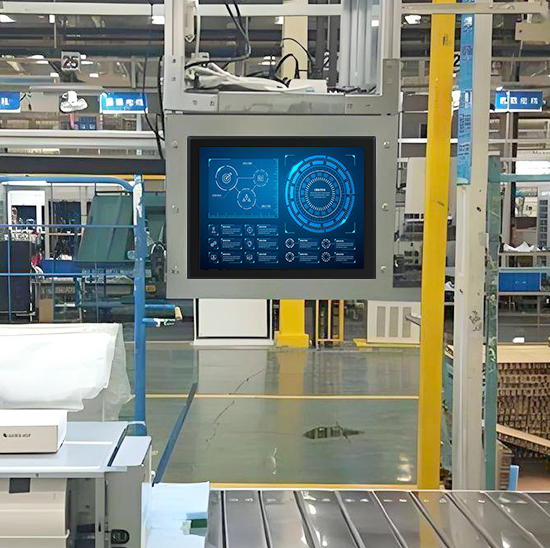
Minimalizują przenoszenie drgań, utrzymuj stałą wydajność dotyku, i chronią elementy wewnętrzne przed uszkodzeniami wynikającymi z wibracji. Zaprojektowane z myślą o bezproblemowej integracji z wrażliwym sprzętem produkcyjnym, te ekrany HMI zapewniają dokładną kontrolę, monitorowanie w czasie rzeczywistym, i długoterminową trwałość — a wszystko to przy jednoczesnym utrzymaniu kluczowych procesów pracy na właściwym torze. W tym artykule opisano ich podstawowe funkcje, korzyści, aplikacje, oraz często zadawane pytania, aby pokazać, jak usprawniają wrażliwe operacje produkcyjne.
Podstawowe cechy przemysłowych ekranów HMI o niskim poziomie wibracji
1. Konstrukcja wewnętrzna antywibracyjna & Stabilizacja komponentów
Minimalizuje przenoszenie wibracji, aby chronić komponenty wewnętrzne i utrzymać wydajność:
Wzmocniona rama wewnętrzna: Ramy ze stopu aluminium o wysokiej wytrzymałości zabezpieczają wewnętrzną elektronikę, redukcja przemieszczenia wibracji nawet o 80%.
Amortyzujące systemy mocowania: Zintegrowane uszczelki gumowe lub silikonowe izolują ekran od drgań zewnętrznych, zapobiegając przedostawaniu się do wrażliwych części wewnętrznych.
Bezpieczne mocowanie komponentów: Części krytyczne (wyświetla, czujniki dotykowe, płytki drukowane) są montowane za pomocą osprzętu odpornego na wibracje, aby wyeliminować luźne połączenia.
Obudowa tłumiąca wibracje: Gruby, Amortyzujące materiały obudowy pochłaniają wibracje zewnętrzne, utrzymując stabilność ekranu nawet przy wysokich wibracjach.
Ta konstrukcja antywibracyjna zapewnia niezawodne działanie ekranu HMI, nawet w pobliżu maszyn CNC, lakierki, lub inny sprzęt generujący wibracje.
2. Stabilna reakcja na dotyk & Precyzyjna kontrola
Utrzymuje dokładność dotyku pomimo otaczających wibracji:
Odporne na wibracje czujniki dotykowe: Specjalistyczne pojemnościowe lub rezystancyjne czujniki dotykowe ignorują fałszywe sygnały wejściowe spowodowane wibracjami, zapewniając rejestrację wyłącznie celowych dotknięć i przeciągnięć.
Regulowane ustawienia czułości dotyku: Operatorzy mogą skalibrować reakcję na dotyk, aby odfiltrować zakłócenia związane z wibracjami, zapobieganie przypadkowym poleceniom.
Szybko, stały czas reakcji (<6SM): Utrzymuje wydajność bez opóźnień nawet w okresach szczytowych wibracji, zapewniając precyzyjną kontrolę wrażliwych procesów.
Stabilność wielodotykowa: 10-obsługa punktowego wielodotyku pozostaje niezmienna, umożliwiając precyzyjne gesty w celu dostosowania parametrów produkcji lub monitorowania danych.
Ta stabilność eliminuje błędy dotykowe wywołane wibracjami, jest główną przyczyną zakłóceń w przepływie pracy w wrażliwej produkcji.
3. Trwałość na poziomie przemysłowym & Odporność na środowisko
Zbudowany tak, aby wytrzymać trudne warunki produkcyjne, a jednocześnie jest odporny na zużycie wibracyjne:
Stopień ochrony panelu przedniego IP65: Uszczelniony przed kurzem, gruz, i wycieki płynów (chłodziwa, środki czyszczące) powszechne w warunkach produkcyjnych.
9H powierzchnia ze szkła hartowanego: Jest odporny na zadrapania, spękanie, oraz uderzenia związane z wibracjami narzędzi lub komponentów.
Szeroka tolerancja temperaturowa: Działa niezawodnie w temperaturach od -20°C do 60°C (-4°F do 140°F), dopasowanie kontrolowanych, wrażliwych środowisk produkcyjnych.
Przeciwodblaskowy, wyświetlacz o wysokiej jasności: 1,200 Jasność nitów z powłoką antyrefleksyjną zapewnia dobrą widoczność, nawet w pobliżu jasnego sprzętu produkcyjnego.
Ta trwałość gwarantuje 24/7 działanie przy minimalnej konserwacji, nawet przy dużych wibracjach, obiekty o dużej przepustowości.
4. Bezproblemowa integracja z wrażliwym sprzętem produkcyjnym
Synchronizuje się z precyzyjnymi maszynami, aby umożliwić ujednoliconą kontrolę i monitorowanie:
Obsługa standardowych protokołów przemysłowych: Współpracuje z wrażliwym sprzętem produkcyjnym (Maszyny CNC, narzędzia do mikromontażu, wagi precyzyjne) poprzez Ethernet/IP, Modbus TCP, i USB typu C.
Synchronizacja danych w czasie rzeczywistym: Wyświetla wskaźniki produkcji (poziomy wibracji, parametry procesu, kontrole jakości) natychmiast, synchronizacja z systemami sterowania sprzętem.
Konfigurowalne pulpity kontrolne: Dostosuj interfejsy do konkretnych wrażliwych procesów (np., umieszczenie mikrochipa, mieszanie farmaceutyczne) dla usprawnienia działania.
Możliwość zdalnego monitorowania: Umożliwia przełożonym dostosowywanie ustawień lub monitorowanie poziomów wibracji ze sterowni znajdujących się poza siedzibą firmy, zmniejszenie zakłóceń na miejscu.
Dzięki tej integracji ekran HMI działa jako centralny węzeł dla wrażliwej kontroli i monitorowania produkcji.
5. Monitorowanie wibracji & Funkcjonalność alertów
Aktywnie wykrywa nadmierne wibracje, aby zapobiec zakłóceniom w pracy:
Wbudowane czujniki wibracji: Monitoruje poziomy wibracji otoczenia, wyświetlanie danych w czasie rzeczywistym na ekranie HMI.
Konfigurowalne alerty wibracyjne: Uruchamia ostrzeżenia wizualne lub dźwiękowe, gdy poziom wibracji przekracza bezpieczne progi, umożliwiając operatorom podjęcie działań.
Rejestrowanie wibracji: Rejestruje dane dotyczące wibracji w czasie, pomagając placówkom identyfikować wzorce i optymalizować rozmieszczenie sprzętu.
Integracja zdrowia sprzętu: Synchronizuje się z systemami monitorowania stanu maszyn, aby skorelować poziomy wibracji z wydajnością sprzętu.
Ta funkcja pomaga zakładom utrzymać bezpieczny poziom wibracji i zapobiegać przedwczesnemu zużyciu zarówno ekranu HMI, jak i sprzętu produkcyjnego.
Kluczowe zalety przemysłowych ekranów HMI o niskim poziomie wibracji dla wrażliwej produkcji
1. Redukcja błędów produkcyjnych & Popraw jakość
Stabilna wydajność eliminuje błędy wywołane wibracjami we wrażliwych procesach:
Zmniejsz liczbę błędów o 50%: Odporne na wibracje sterowanie dotykowe i stabilne wyświetlacze zapobiegają nieprawidłowej regulacji parametrów lub błędnemu odczytaniu danych.
Chroń delikatne elementy: Zminimalizowane przenoszenie wibracji zmniejsza ryzyko uszkodzenia wrażliwych części (mikrochipy, preparaty farmaceutyczne, narzędzia precyzyjne).
Zapewnij stałą jakość produktu: Dokładna kontrola i monitorowanie pozwalają utrzymać parametry produkcji na właściwym poziomie, redukcja defektów.
Uprość kontrolę jakości: Monitorowanie wibracji w czasie rzeczywistym pomaga identyfikować problemy, zanim wpłyną one na jakość produktu.
2. Minimalizuj przestoje & Przedłuż żywotność sprzętu
Wytrzymały, konstrukcja antywibracyjna ogranicza nieplanowane przestoje i konserwację:
Wydłuż żywotność HMI 2–3 razy: Komponenty odporne na wibracje zapobiegają przedwczesnemu zużyciu, obniżenie kosztów wymiany.
Ogranicz wizyty konserwacyjne o 60%: Bezpieczne komponenty wewnętrzne i konstrukcja pochłaniająca wstrząsy eliminują awarie spowodowane wibracjami.
Zapobiegaj nieplanowanym przestojom: Alerty dotyczące nadmiernych wibracji pozwalają operatorom rozwiązać problemy, zanim spowodują one zakłócenia w pracy.
Zmniejsz koszty naprawy sprzętu: Monitorowanie wibracji pomaga zapobiegać uszkodzeniom maszyn produkcyjnych, obniżenie kosztów utrzymania.
3. Zwiększ efektywność operacyjną & Wydajność
Usprawnione przepływy pracy i niezawodna wydajność pozwalają utrzymać wrażliwą produkcję na właściwym torze:
Przyspiesz kontrolę procesu: Intuicyjny, stabilne interfejsy dotykowe skracają czas spędzony na dostosowywaniu parametrów lub korygowaniu błędów.
Uprość szkolenie operatorów: Stała wydajność i wyraźne alarmy wibracyjne sprawiają, że interfejs HMI jest łatwy w użyciu, skrócenie czasu onboardingu.
Zoptymalizuj rozmieszczenie sprzętu: Rejestrowanie wibracji pomaga obiektom w ustawianiu maszyn i ekranów HMI w celu uzyskania minimalnych zakłóceń.
Włączać 24/7 działanie: Niezawodne działanie zapewnia ciągłość produkcji, nawet w środowiskach o wysokich wibracjach.
4. Zapewnij zgodność z przepisami & Identyfikowalność
Spełnia surowe normy dla wrażliwych gałęzi przemysłu produkcyjnego:
Jest zgodny z przepisami branżowymi: Zgodny z ISO 9001, FDA (farmaceutyczny), IATF 16949 (automobilowy), i AS9100 (lotniczy) standardy.
Zachowaj identyfikowalność: Rejestrowanie danych dotyczących wibracji i produkcji wspiera gotowość do audytu i dokumentację jakości.
Wspieraj środowiska sterylne/produkcyjne: Stopień ochrony IP65 i łatwość czyszczenia zapewniają zgodność ze standardami wyrobów farmaceutycznych i medycznych.
Zapewnij ścieżki audytu: Szczegółowe rejestry drgań i operacji pomagają obiektom wykazać zgodność podczas audytów regulacyjnych.
Praktyczne zastosowania wrażliwych scenariuszy produkcji
1. Mikroelektronika & Produkcja półprzewodników
Do produkcji mikrochipów, PCB, i wrażliwych elementów elektronicznych:
Chroń drobne elementy przed uszkodzeniami wywołanymi wibracjami podczas montażu i testowania.
Zapewnij precyzyjną kontrolę parametrów procesów takich jak łączenie matrycowe i łączenie drutowe.
Zachowaj zgodność z pomieszczeniami czystymi w przypadku uszczelnień, łatwe w czyszczeniu konstrukcje spełniające standardy ISO dotyczące pomieszczeń czystych.
2. Precyzyjna obróbka & Produkcja CNC
Do obróbki CNC, cięcie laserowe, i inne precyzyjne procesy o wysokiej wibracji:
Wytrzymują wibracje z maszyn CNC, zachowując stabilną kontrolę dotykową.
Wyświetlaj parametry obróbki w czasie rzeczywistym (prędkość, szybkość podawania, poziomy wibracji) do dokładnego monitorowania.
Zapobiegaj fałszywym wprowadzeniu danych spowodowanym wibracjami maszyny, zapewniając precyzyjną kontrolę narzędzi skrawających.
3. Farmaceutyczny & Produkcja biotechnologiczna
Do wrażliwych procesów, takich jak formułowanie leków, sterylne wypełnienie, i sterowanie bioreaktorem:
Utrzymuj stabilną wydajność w kontrolowanych środowiskach, zapobieganie zanieczyszczeniom wywołanym wibracjami lub błędom w recepturze.
Zgodność ze standardami FDA w przypadku uszczelnionych projektów, łatwa dezynfekcja, i szczegółowe rejestrowanie danych.
Monitoruj poziomy wibracji, aby upewnić się, że bioreaktory i sprzęt mieszający działają w bezpiecznych parametrach.
4. Lotnictwo & Produkcja komponentów obronnych
Do produkcji komponentów lotniczych o znaczeniu krytycznym (awionika, części konstrukcyjne):
Zapewniają wyjątkowo stabilną wydajność, aby zapewnić precyzję w warunkach produkcyjnych o wysokich wibracjach.
Spełniaj standardy AS9100 dzięki długoterminowemu przechowywaniu danych i rejestrowaniu wibracji w celu zapewnienia identyfikowalności.
Chroń wrażliwe komponenty lotnicze i kosmiczne przed uszkodzeniami wynikającymi z wibracji podczas produkcji i testowania.
Często zadawane pytania dotyczące przemysłowych ekranów HMI o niskim poziomie wibracji
Pytanie 1: Czy te ekrany HMI będą działać w pobliżu sprzętu o wysokich wibracjach, takiego jak maszyny CNC??
A1: Tak! Ich konstrukcja antywibracyjna (wzmocniona rama, montaż amortyzujący) redukuje przenoszenie wibracji nawet o 80%, zapewniając stabilną pracę w pobliżu maszyn CNC, lakierki, lub lasery.
Pytanie 2: Czy możemy skalibrować czułość dotyku, aby odfiltrować zakłócenia wibracyjne??
A2: Absolutnie. Ekrany posiadają możliwość regulacji ustawień czułości dotyku, pozwalając Ci odfiltrować fałszywe dane wejściowe spowodowane wibracjami i zapewnić rejestrację tylko zamierzonych poleceń.
Pytanie 3: Jak trwałe są te ekrany w trudnych warunkach produkcyjnych?
A3: Posiadają stopień ochrony panelu przedniego IP65, 9H szkło hartowane, i szeroką tolerancję temperaturową, dzięki czemu są odporne na kurz, rozlewa, wpływy, i ekstremalne temperatury — idealne do zastosowań produkcyjnych.
Pytanie 4: Czy ekrany można zintegrować z naszym istniejącym wrażliwym sprzętem produkcyjnym??
A4: Tak! Obsługują wszystkie standardowe protokoły przemysłowe (Ethernet/IP, Modbus TCP) i bezproblemowo integrują się z maszynami CNC, narzędzia do mikromontażu, bioreaktory, i inny wrażliwy sprzęt. Nasz zespół weryfikuje zgodność pod kątem płynnej konfiguracji.
Pytanie 5: Jaka gwarancja i wsparcie są uwzględnione w przypadku wrażliwych zastosowań produkcyjnych?
A5: Wszystkie modele objęte są 3-letnią gwarancją obejmującą działanie antywibracyjne, czułość na dotyk, i defekty sprzętowe. Dostępne są rozszerzone 5-letnie gwarancje, z 24/7 wsparcie techniczne.
Wniosek
Przemysłowe ekrany HMI o niskim poziomie wibracji stanowią kluczową inwestycję w przypadku wrażliwych operacji produkcyjnych, łącząca stabilność antywibracyjną, trwałość klasy przemysłowej, i precyzyjna kontrola w celu ochrony przepływów pracy, zmniejszyć błędy, i zwiększyć wydajność. Eliminują ryzyko przestojów spowodowanych wibracjami i wad produktu, zapewniając stałą wydajność nawet w środowiskach produkcyjnych o wysokich wibracjach. Niezależnie od tego, czy zajmujesz się produkcją mikroelektroniki, precyzyjne komponenty, lub farmaceutyki, te ekrany HMI zapewniają niezawodność i dokładność, jakiej wymagają wrażliwe procesy.
Gotowi do ochrony wrażliwej produkcji za pomocą przemysłowych ekranów HMI o niskim poziomie wibracji? Wypełnij formularz na naszej stronie internetowej, aby skontaktować się z naszymi ekspertami w dziedzinie technologii przemysłowych. Ocenimy poziom wibracji w Twoim obiekcie, sprawdzić kompatybilność sprzętu, i zarekomenduj dostosowane rozwiązanie, aby zmaksymalizować stabilność i produktywność. Zbudujmy bardziej niezawodne, wydajny i wrażliwy proces produkcyjny — rozpocznij już dziś!