
事業主はセルフサービス端末による店舗サービスを毎年アップグレードします. あ 支払いキオスク 行列のプレッシャーを軽減し、手動によるチェックアウトのエラーを減らします. それでも, ほとんどの購入者は、購入前に不明瞭な価格基準に悩まされています.
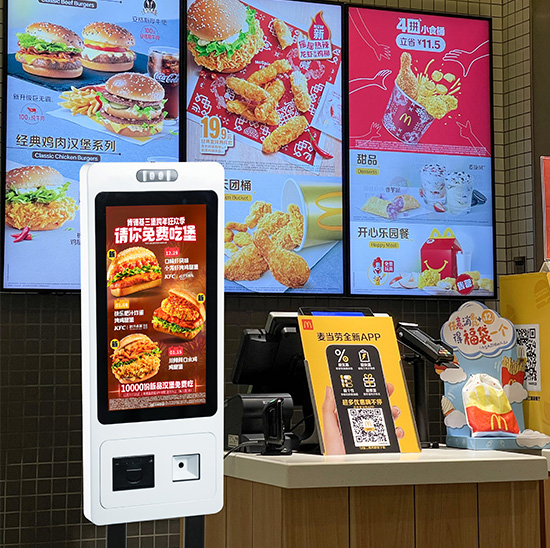
多くの人は、実際の支払いキオスクのコストと、どのような要因が価格差を生み出すのか疑問に思っています。. 基本モデルとカスタマイズされた産業用バージョンには大きな価格差があります. さらに, ハードウェア, ソフトウェアと屋外グレードはすべて最終予算を変える. この記事では段階的な価格を詳しく説明します, 中核的なコスト要因, 隠れた費用と実際的な購入のヒント.
2026 段階的な支払いキオスクのコスト範囲
支払いキオスクの価格は、さまざまなビジネス シナリオに応じて 3 つの明確な段階に分類されます. 各層は異なるハードウェア構成と機能レベルに一致します.
1. 基本的なエントリーレベルの支払いキオスク
屋内ケータリングや小売店での日常使用に適したベーシックモデル. 簡単注文やカード決済機能にも対応. 通常、価格は次のとおりです。 $2,000 に $8,000. これらのデバイスには標準画面と固定システムがあり、追加のカスタマイズは必要ありません.
2. ミッドレンジの商用決済キオスク
中層キオスクは、混雑する店舗環境に適合します. レシート印刷を追加します, 複数の支払いチャネルと安定したデータ同期. 価格はその間にあります $8,000 そして $20,000. ほとんどの通常の商用プロジェクトでコストとパフォーマンスのバランスをとります。.
3. ハイエンドのカスタマイズされた支払いキオスク
高度なカスタマイズされたモデルは産業および屋外のシナリオに対応します. 防水のものを使用しているので、, 防塵・防錆素材. 価格はから始まります $20,000 まで $50,000. フル機能のカスタマイズと24時間連続稼働をサポートします。.
支払いキオスクのコストを決定する主な要素
多くの詳細な項目により、支払いキオスクの価格差が生じます. これらの主要な基準でデバイスの価値を明確に判断できます.
1. 画面の品質とタッチ性能
通常の屋内スクリーンはコストが安くなります. アンチグレア, 高輝度屋外スクリーンには高品質の素材が必要です. その間, 産業用静電容量式タッチパネルは全体の製造コストを上昇させる.
2. 機能的なハードウェアアクセサリ
内蔵プリンター, カードリーダーとスキャンモジュールが付加価値を追加. 支払い方法とセンシングツールが増えると、デバイスの見積もりが高くなります. 基本的なキオスクは冗長な部品を削除して予算を管理します.
3. ソフトウェアとシステム機能
通常の店舗ニーズをサポートする標準固定システム. カスタムバックエンド管理, データ統計とリモート更新機能によりソフトウェアのコストが増加する. 一部のバージョンでは、低額の SaaS 月額料金が必要な場合もあります.
4. 使用環境グレード
屋内機器は共通のシェル材料を採用. 屋外キオスクには防水性が必要, 防塵・防盗構造. これらの専門的なアップグレードにより、生産コストが大幅に上昇します.
5. ブランドのカスタマイズとアフターサービス
カスタムロゴ, 独自の UI インターフェイスとパーソナライズされたサイズには追加料金がかかります. 長期保証と専門的な技術サポートも最終的な料金プランに影響します.
無視できない隠れたコスト
多くの購入者は単価のみに注目し、フォローアップ費用を無視します。. これらの隠れた項目は長期的な投資総額に影響を与えます.
1. インストール料金とデバッグ料金
複雑な屋外または埋め込み設置には専門的な現場作業が必要です. 屋内に簡単に設置できるため、費用はほとんどかかりません. ご注文前に設置料金の確認が必要です.
2. ソフトウェアのサブスクリプション料金とアップグレード料金
一部のインテリジェント システムでは、SaaS 料金を月次または年額で請求します。. これらの料金にはシステムのアップデートが含まれます, バグ修正とデータクラウドストレージ. 長期にわたる安定したキオスク動作を保証します.
3. 日々のメンテナンスや交換にかかる費用
定期的な清掃, 画面の保護とアクセサリの交換には、継続的な少額の予算が必要です. 適切なメンテナンスによりデバイスの耐用年数が延び、高額な修理費が回避されます.
支払いキオスクの予算を節約するための実践的なヒント
デバイスのパフォーマンスを低下させることなく、不要なコストを削減できます. これらのヒントは、最高の価格性能比を実現するのに役立ちます.
1. 機能を実際のシナリオに一致させる
盲目的に完全な機能を追求しないでください. シンプルな屋内店舗の基本構成を選択する. 特殊な産業または屋外のニーズにのみカスタマイズされた機能を予約.
2. スケーラブルなモジュラー設計を選択する
モジュラーキオスク構造により、後の機能アップグレードをサポート. 一度にハイエンドデバイスを購入するのではなく、新しいモジュールをゆっくり追加します. この方法により、初期投資のプレッシャーが分散されます。.
3. 直接メーカーと協力する
工場直販で中間マージンを排除. より低い単価と、より柔軟なカスタマイズされたソリューションが得られます. より信頼できるアフターサポートも受けられます.
支払いキオスクのコストに関するよくある質問
Q1: 小規模店舗向けの支払いキオスクの最安値はいくらですか?
A1: エントリーレベルの屋内支払いキオスクの価格は次のとおりです。 $2,000. 小規模なケータリングや小売店の毎日の注文と支払いのニーズを完全に満たします。.
Q2: 屋外の支払いキオスクの料金がはるかに高いのはなぜですか?
A2: アウトドアモデルは防水仕様を採用, 防塵および耐高温材料. 複雑な天候に適応するには、安定した干渉防止ハードウェアが必要です, そのため全体的なコストが上昇します.
Q3: 支払いキオスクには定期的な年会費がかかりますか?
A3: ベーシックモデルは年会費不要. カスタマイズされたインテリジェント システムのみが、更新とクラウド データ管理に対して低額の SaaS 料金を請求します.
Q4: カスタマイズされた支払いキオスクには追加費用を払う価値がありますか?
A4: 特別なシナリオの場合ははい. カスタムサイズ, 独自の店舗レイアウトやビジネスルールに適合するインターフェースと機能. 長期的な運用効率を大幅に向上させます.
Q5: 一括購入により支払いキオスクのコストを削減できるか?
A5: 絶対に. バッチ注文には明らかな大量割引が適用されます. また、デバイスの規格を統一し、後のメンテナンス作業を簡素化します。.
結論
総括する, 支払いキオスクのコストは構成によって大きく異なります, 使用環境やカスタマイズ要望. エントリーレベルの屋内モデルは低予算のプロジェクトに適合します, 一方、ミッドレンジ バージョンはほとんどの商用シナリオに適しています. ハイエンドのカスタマイズされたデバイスは、プロの屋外および産業現場にサービスを提供します. 単価以外にも, 設置も考慮する必要があります, 予算全体を計画するためのメンテナンス料金とソフトウェア料金.
正確な見積もりと、支払いキオスク向けのコスト効率の高いカスタマイズされたソリューションが必要な場合, 公式サイトのお問い合わせフォームにご記入ください. 利用シーンを共有する, 必要な機能と購入数量. 当社の専門チームがお客様に最適な予算プランを調整します.