
I torni industriali per legno gestiscono tagli pesanti, modellare e intagliare compiti ogni singolo giorno. Gli operatori si affidano a clear, pannelli di controllo reattivi per regolare la velocità, modalità di profondità e taglio. Un affidabile touch screen per il controllo del tornio per legno è al centro del regolare funzionamento della macchina.
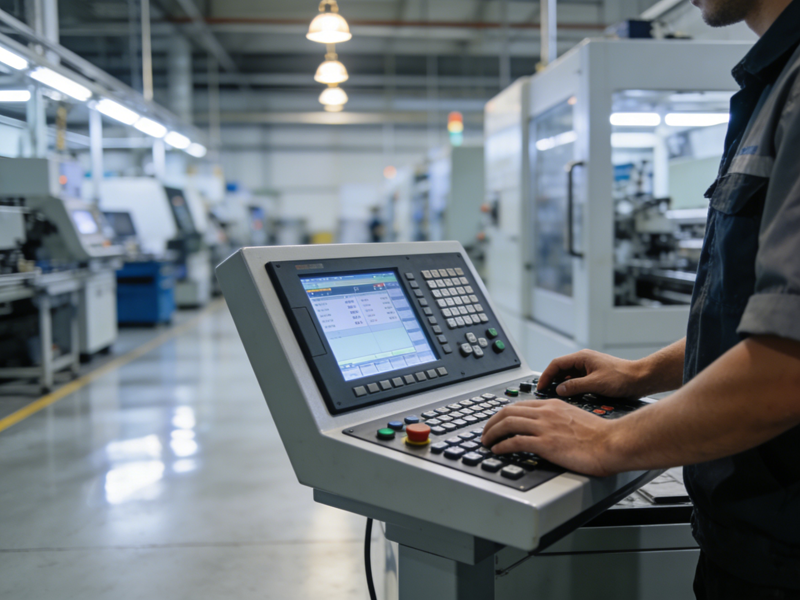
Non tutti i touch screen resistono agli ambienti difficili di lavorazione del legno. Polvere, le vibrazioni e i rapidi sbalzi di temperatura danneggiano rapidamente i display di bassa qualità. Per questo motivo, è necessario scegliere un modello costruito per adattarsi ai layout del pannello di controllo del tornio per legno. Questa guida analizza i prodotti compatibili schermo tattile tipi, caratteristiche critiche e suggerimenti per la selezione. Include anche le domande frequenti più comuni per aiutarti a scegliere l'unità giusta per il tuo tornio industriale per legno.
Tipi di touch screen principali adatti ai pannelli di controllo del tornio per legno
Diversi stili di installazione corrispondono ai design standard dei pannelli per tornio industriale per legno. Ciascun tipo offre prestazioni stabili e una facile integrazione per le configurazioni dell'officina.
1. Touch screen industriali con montaggio a pannello
Le unità con montaggio a pannello sono la soluzione più comune per i pannelli di controllo del tornio per legno. Scorrono direttamente nelle aperture del pannello pretagliato con sigillatura ermetica dei bordi.
Risparmiano spazio sulle superfici della macchina e bloccano saldamente le forti vibrazioni dell'officina.
La maggior parte delle taglie da 7 pollice a 15 pollici allineati con le dimensioni standard del controllo del tornio per legno.
Questo stile crea una superficie a filo che blocca la polvere di legno fine dalle parti interne.
2. Touch screen impermeabili con montaggio a incasso
Le officine del legno generano segatura fine e occasionali accumuli di umidità. I touch screen con montaggio a incasso offrono pannelli frontali sigillati per una protezione completa.
Si inseriscono perfettamente negli alloggiamenti piatti dei controlli dei torni per legno, senza spazi esposti.
Il vetro frontale liscio semplifica la pulizia rapida dopo lunghi turni di produzione.
Funzionano bene per le fabbriche di lavorazione del legno ad alto volume con un uso intenso quotidiano.
3. Touchscreen compatti a cornice aperta
I modelli a telaio aperto si adattano alle modifiche personalizzate del pannello di controllo del tornio per legno. Hanno telai sottili per adattarsi a spazi di pannelli stretti o non standard.
Gli operatori ottengono l'accesso a schermo intero con un hardware ingombrante minimo.
Queste unità leggere riducono il peso aggiuntivo sulle sezioni di controllo del tornio in movimento.
Fungono da aggiornamenti ideali per i modelli di tornio per legno più vecchi con controlli obsoleti.
Funzionalità indispensabili per i touch screen di controllo del tornio per legno
La vestibilità è importante, ma le caratteristiche durevoli determinano le prestazioni a lungo termine negli spazi di lavorazione del legno. Concentrati su questi dettagli chiave per risultati duraturi.
1. Resistenza alla polvere e alle vibrazioni
I torni per legno producono vibrazioni costanti e polvere di legno fluttuante per tutto il giorno. I touch screen di qualità utilizzano telai interni rinforzati per resistere ai danni provocati dalle vibrazioni.
La sigillatura a strati impedisce alla polvere fine di entrare nel circuito e nei punti di connessione.
Le parti di montaggio ammortizzanti stabilizzano lo schermo durante le operazioni pesanti del tornio.
Questa funzionalità riduce i costi di riparazione e previene improvvisi tempi di inattività del controllo.
2. Display antiriflesso ad alta visibilità
L'illuminazione dell'officina varia da luci elevate a zone di lavoro angolari fioche. Il vetro antiriflesso mantiene il touch screen del controllo del tornio per legno facile da leggere da tutte le angolazioni.
Le impostazioni ad alto contrasto mostrano dati chiari per la velocità, velocità di avanzamento e impostazioni di taglio.
Gli strati protettivi colorati riducono l'affaticamento degli occhi durante i lunghi turni dell'operatore.
La superficie resistente ai graffi resiste ai frequenti colpi dei guanti e al contatto con gli utensili.
3. Ampia adattabilità alla temperatura
Le officine industriali devono affrontare il calore dei macchinari e gli sbalzi di temperatura stagionali freddi. I touch screen classificati funzionano in modo stabile in ampi intervalli di temperature.
I componenti interni evitano ritardi o congelamenti durante il funzionamento continuo del tornio.
I circuiti resistenti al calore impediscono il surriscaldamento vicino ai motori del tornio per legno in funzione.
La risposta al tocco resistente al freddo rimane precisa negli spazi dell'officina non riscaldati.
4. Cablaggio semplice e compatibilità dei pannelli
La semplice installazione consente di risparmiare tempo durante gli aggiornamenti o le sostituzioni del pannello di controllo. Le connessioni universali delle porte si adattano alla maggior parte dei moderni sistemi di controllo dei torni per legno.
I modelli di fori di montaggio standard si adattano alla maggior parte dei pannelli per tornio costruiti in fabbrica.
Il design plug-and-play riduce i complessi lavori di cablaggio per i team di manutenzione.
Il chiaro abbinamento dell'interfaccia garantisce una rapida sincronizzazione con i controlli operativi del tornio.
Come selezionare la dimensione giusta per il pannello del tuo tornio
L'abbinamento delle taglie garantisce una vestibilità perfetta e un funzionamento quotidiano confortevole. Segui queste semplici linee guida per una taglia perfetta.
1. Misurare prima i ritagli dei pannelli esistenti
Misura sempre la larghezza e l'altezza dell'attuale apertura del pannello di controllo. Confronta i numeri con le specifiche delle dimensioni del touch screen prima dell'acquisto.
Piccoli schermi da 7 pollici si adattano ai torni per legno industriali compatti da banco.
Metà 10 Le opzioni da 12 pollici a 12 pollici si adattano ai torni di produzione di modelli da pavimento standard.
I display di grandi dimensioni da 15 pollici funzionano con i torni industriali per legno pesanti.
2. Bilancia le dimensioni dello schermo e lo spazio operativo
Gli schermi più grandi mostrano più dati ma richiedono uno spazio di montaggio su pannello più ampio. Le unità più piccole consentono di risparmiare spazio per pulsanti e interruttori di controllo aggiuntivi.
Scegli una dimensione che consenta agli operatori di visualizzare le impostazioni senza allungarsi o inclinarsi.
Evitate modelli sovradimensionati che affollano altri componenti critici di controllo del tornio.
Domande frequenti sui touch screen di controllo del tornio per legno
Q1: Quali dimensioni del touch screen si adattano alla maggior parte dei pannelli per tornio industriale per legno?
A1: 7-pollice, 10-pollici e 12 pollici sono le dimensioni più universali. Si abbinano ai ritagli di fabbrica per i pannelli di controllo standard dei torni per legno industriali.
Q2: I touch screen standard dei consumatori possono funzionare su torni per legno??
A2: NO. Gli schermi dei consumatori non sono dotati di tenuta alla polvere e resistenza alle vibrazioni. Si guastano rapidamente in ambienti industriali di lavorazione del legno grezzi.
Q3: Il montaggio a pannello è l'opzione migliore per i controlli del tornio per legno?
A3: SÌ. Il montaggio a pannello offre protezione dalla polvere, supporto antivibrante stabile e adattamento a filo per la maggior parte dei layout di controllo dei torni per legno di fabbrica.
Q4: Questi touch screen richiedono un'installazione professionale?
A4: La maggior parte dei modelli utilizza un montaggio standard e un cablaggio semplice. I team di manutenzione di base possono completare l'installazione con guide chiare sui prodotti.
Q5: Come posso evitare che la polvere di legno danneggi il touch screen del mio tornio??
A5: Scegli un modello industriale completamente sigillato. Aggiungere una pulizia regolare della superficie e controllare le guarnizioni di montaggio ogni pochi mesi per una protezione completa.
Conclusione
La scelta del touch screen giusto per i pannelli di controllo dei torni industriali per legno mantiene le operazioni di lavorazione del legno stabili ed efficienti. Montaggio a pannello, gli stili a incasso e a telaio aperto offrono adattamenti affidabili per configurazioni di tornio nuove e aggiornate. Un touch screen qualificato per il controllo del tornio del legno offre resistenza alla polvere, stabilità alle vibrazioni e chiara visibilità ad ogni turno di lavoro.
Taglia corrispondente, la qualità costruttiva e le caratteristiche industriali eliminano frequenti guasti e costosi fermi macchina. Aiuta inoltre gli operatori a regolare ogni giorno le impostazioni del tornio con velocità e precisione.
Se hai bisogno di una guida per selezionare un touch screen di controllo del tornio per legno perfettamente adatto alla tua attrezzatura, contattare il nostro team. Compila il modulo sul nostro sito e condividi il tuo modello di tornio, dimensioni del pannello e ambiente di lavoro. Ti invieremo consigli personalizzati sui prodotti e supporto professionale per soddisfare le tue esigenze di aggiornamento delle macchine industriali.