
I sistemi di accumulo delle batterie sono la spina dorsale delle moderne reti energetiche, immagazzinare energia rinnovabile, stabilizzazione dell’offerta, e supportare le operazioni di backup. Tuttavia, le interfacce di controllo obsolete spesso ne limitano il potenziale: pulsanti goffi, dati disconnessi, o display fragili portano a cicli di ricarica inefficienti, opportunità perse in griglia, e costosi tempi di inattività. Queste lacune impediscono agli operatori di sfruttare appieno il valore dei loro investimenti nelle batterie. I touch panel industriali per sistemi di accumulo di batterie risolvono queste sfide critiche.
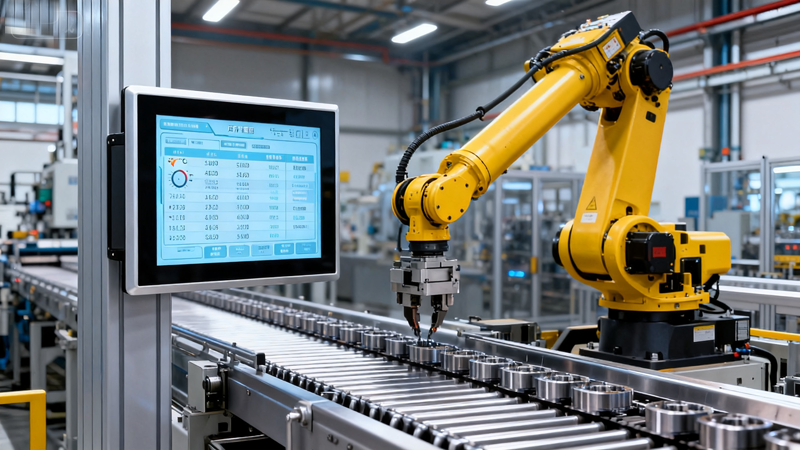
Progettato per ambienti industriali, questi pannelli centralizzano il monitoraggio e il controllo dei banchi batterie, inverter, e connessioni alla rete attraverso un'interfaccia touch intuitiva. Tracciano lo stato di carica, temperatura, e flusso di energia in tempo reale, consentendo regolazioni precise per massimizzare la durata e l'efficienza della batteria. Sia che vengano distribuiti in strutture di stoccaggio su scala industriale, sistemi di backup commerciali, o microreti di energia rinnovabile, questi touch panel industriali trasformano lo stoccaggio della batteria in un sistema intelligente, risorsa reattiva. Questo articolo analizza le loro caratteristiche principali, vantaggi, applicazioni, e domande frequenti per mostrare come rivoluzionano la gestione dello stoccaggio delle batterie.
Caratteristiche principali dei touch panel industriali per sistemi di accumulo di batterie
1. Monitoraggio delle prestazioni della batteria in tempo reale
La precisione dei dati è fondamentale per il funzionamento ottimale della batteria e questi pannelli lo garantiscono:
Monitoraggio delle metriche chiave: Monitorare lo stato di carica (SoC), stato di salute (QuindiH), voltaggio, attuale, e la temperatura della cella in tempo reale.
Avvisi codificati a colori: Avvisi visivi per il sovraccarico, surriscaldamento, SoC basso, o squilibrio delle celle per evitare danni alla batteria.
Cruscotti personalizzabili: Visualizzazioni personalizzate per dare priorità alle metriche per gli operatori, ingegneri, o gestori dell'energia (per esempio., “Stato di esportazione della griglia,""Durata della batteria").
Frequenze di aggiornamento dei dati: Aggiorna i parametri ogni 1-2 secondi per acquisire rapidi cambiamenti nel flusso di energia o nelle condizioni della batteria.
Questo livello di visibilità garantisce agli operatori di individuare i problemi nel momento in cui si presentano, evitando costosi guasti alla batteria.
2. Design robusto di livello industriale
Gli impianti di stoccaggio delle batterie sono difficili e questi pannelli sono costruiti per resistere:
Resistenza alla polvere e all'acqua IP65/IP67: Le custodie sigillate bloccano la polvere, fuoriuscite di liquido refrigerante, e umidità provenienti da locali batterie o installazioni esterne.
Ampia tolleranza alla temperatura: Funziona in modo affidabile da -20°C a 60°C (-4°F a 140°F), installazione di impianti di stoccaggio a freddo o microreti nel deserto caldo.
Resistenza agli urti e alle vibrazioni: I telai rinforzati resistono alle vibrazioni degli inverter e ai piccoli urti durante la manutenzione.
Schermatura EMI/RFI: Blocca le interferenze elettromagnetiche provenienti dai caricabatterie e dalle apparecchiature di rete per garantire prestazioni stabili.
Questa durabilità garantisce 24/7 operazione, anche negli ambienti industriali più esigenti.
3. Controllo preciso della batteria & Integrazione della griglia
Questi pannelli trasformano i dati in azioni per ottimizzare l’uso dell’energia:
Controllo di carica/scarica: Adeguare le tariffe di addebito per adattarle alla fornitura di energia rinnovabile (per esempio., picco di produzione solare) o domanda di rete.
Sincronizzazione della rete: Sincronizza l'uscita della batteria con la frequenza e la tensione della rete per supportare la stabilità della rete ed evitare riduzioni.
Automazione del picco di rasatura: Scarica automaticamente le batterie durante le ore di punta della domanda per ridurre i costi delle utenze per gli utenti commerciali.
Attivazione dell'alimentazione di backup: Attiva immediatamente il backup della batteria in caso di interruzione dell'alimentazione di rete, garantire operazioni ininterrotte per le strutture critiche.
Questo controllo di precisione massimizza il valore economico dei sistemi di accumulo delle batterie.
4. Integrazione perfetta con la batteria & Sistemi energetici
Si collegano alla tua infrastruttura esistente per evitare interruzioni del flusso di lavoro:
Compatibilità della batteria: Funziona con gli ioni di litio, piombo-acido, e sistemi di batterie a flusso di marchi leader (Tesla Megapack, Catl, BYD).
Invertitore & Integrazione EMS: Sincronizzazione con inverter solari, sistemi di gestione dell’energia (SME), e piattaforme SCADA per una visibilità end-to-end.
Protocolli di comunicazione multipli: Supporta ModBus TCP, Ethernet/IP, MQTT, e bus CAN per un trasferimento dati stabile tra i sistemi.
Connettività cloud: Push dei dati su piattaforme cloud per il monitoraggio remoto, analisi storica, e gestione dell'intera flotta.
5. Interfaccia intuitiva & Accesso remoto
I team industriali hanno bisogno di semplicità, strumenti flessibili e questi pannelli lo garantiscono:
Compatibilità con le mani guantate: La sensibilità al tocco migliorata funziona con i guanti da lavoro, quindi gli operatori non rimuovono i DPI nei locali batterie.
Navigazione intuitiva: Le icone grandi e i menu passo-passo riducono i tempi di formazione, anche per il personale non tecnico.
Funzionalità di controllo remoto: Monitora e regola le impostazioni della batteria da centri di controllo fuori sede o dispositivi mobili tramite connessioni sicure.
Supporto multilingue: Offri inglese, spagnolo, tedesco, e cinese per soddisfare i team industriali globali.
Vantaggi principali per gli operatori di stoccaggio delle batterie
1. Massimizza la durata della batteria & Ridurre i costi di sostituzione
Il degrado della batteria è costoso e questi pannelli lo rallentano:
Prolunga la durata della batteria del 15–25%: Controlli precisi di carica/scarica impediscono il sovraccarico e lo scaricamento profondo, le principali cause di degrado.
Identificare precocemente lo squilibrio cellulare: Gli avvisi relativi alle differenze di tensione delle celle consentono agli operatori di risolvere i problemi prima che danneggino l'intero banco di batterie.
Ottimizza la gestione della temperatura: Monitora le temperature delle celle per prevenire la fuga termica e garantire prestazioni uniformi in tutta la banca.
Ridurre la frequenza di sostituzione: Una maggiore durata della batteria riduce la necessità di costosi cambi di batteria, riducendo le spese operative a lungo termine.
2. Aumentare l'efficienza energetica & Valore della griglia
Questi pannelli trasformano lo stoccaggio delle batterie in una risorsa generatrice di profitti:
Aumentare l’utilizzo delle energie rinnovabili: Conservare l'energia solare/eolica in eccesso per un uso successivo, ridurre la dipendenza dai combustibili fossili.
Tagliare le tariffe relative ai picchi di domanda: Automatizza il peak shaving per evitare costosi sovrapprezzi delle utenze, risparmiare agli utenti commerciali il 20-30% sulle bollette energetiche.
Supportare i servizi di rete: Partecipare a programmi di regolazione della frequenza o di risposta alla domanda per guadagnare entrate aggiuntive dagli operatori di rete.
Minimizzare gli sprechi energetici: Ottimizza i cicli di ricarica per adattarli ai periodi di energia della rete a basso costo, riducendo i costi complessivi dell’energia elettrica.
3. Semplifica la manutenzione & Migliora la sicurezza
La sicurezza della conservazione della batteria non è negoziabile e questi pannelli la supportano:
Avvisi di manutenzione predittiva: Identificare le tendenze di degrado della batteria per pianificare la manutenzione prima che si verifichino guasti.
Diagnostica remota: Risolvi i problemi da postazioni fuori sede, riducendo la necessità di visite in loco nelle sale batterie pericolose.
Integrazione protocolli di sicurezza: Attiva automaticamente i sistemi di ventilazione o raffreddamento se la temperatura della batteria supera i livelli di sicurezza.
Controllo degli accessi: Limitare le operazioni sensibili (per esempio., scarico manuale) agli utenti autorizzati, garantendo un funzionamento conforme e sicuro.
4. Migliora la visibilità operativa & Il processo decisionale
Le informazioni basate sui dati portano a una gestione energetica più intelligente:
Analisi storica delle prestazioni: Monitora il SoH della batteria e il flusso di energia nel tempo per identificare modelli di efficienza.
Strumenti di reporting personalizzati: Genera report per i costi energetici, entrate delle esportazioni della rete, e lo stato della batteria da condividere con le parti interessate.
Pianificazione degli scenari: Utilizza i dati storici per modellare le prestazioni della batteria in diverse condizioni di rete o di energia rinnovabile.
Gestione dell'intera flotta: Monitora più siti di stoccaggio delle batterie da un'unica dashboard, ideale per gli operatori su larga scala.
Applicazioni pratiche per diverse impostazioni di conservazione della batteria
1. Strutture di stoccaggio di batterie su scala industriale
Per sistemi di accumulo connessi alla rete su larga scala:
Monitoraggio della flotta: Tieni traccia di centinaia di moduli batteria da una dashboard centrale con pannello a sfioramento.
Supporto per la stabilità della rete: Regola la potenza della batteria per mantenere la frequenza e la tensione della rete durante i picchi di domanda o le interruzioni.
Ottimizzazione dei ricavi: Partecipare ai mercati energetici all’ingrosso e ai servizi di rete per massimizzare la redditività.
2. Commerciale & Industriale (C&IO) Sistemi di backup
Per le fabbriche, centri dati, e strutture di vendita al dettaglio:
Controllo dell'alimentazione di backup: Attiva istantaneamente il backup della batteria durante le interruzioni della rete per proteggere le operazioni critiche.
Automazione del picco di rasatura: Ridurre i picchi di domanda scaricando le batterie durante i periodi di consumo energetico elevato.
Autoconsumo solare: Conserva l'energia solare in eccesso sul tetto per utilizzarla durante le ore serali, riducendo la dipendenza dalla rete elettrica.
3. Microreti di energia rinnovabile
Per sistemi solari/eolici off-grid (comunità remote, siti minerari):
Bilanciamento del carico: Regolare la carica/scarica della batteria per adattarla alla fornitura di energia rinnovabile e alla domanda locale.
Affidabilità fuori rete: Garantire un'alimentazione costante per le strutture remote prive di accesso alla rete.
Controllo del sistema ibrido: Gestire il solare integrato, vento, e sistemi di batterie da un'unica interfaccia.
4. Residenziale & Stoccaggio di batterie multi-unità
Per grandi complessi di appartamenti o comunità residenziali:
Gestione centralizzata della batteria: Monitorare i banchi di batterie condivise per supportare i programmi solari della comunità.
Distribuzione dell'energia di riserva: Assegnare la carica della batteria alle aree critiche (per esempio., illuminazione del vano scale, sistemi di sicurezza) durante le interruzioni.
Allocazione dei costi: Monitorare il consumo di energia per unità per fatturare equamente ai residenti l’accesso allo stoccaggio delle batterie.
Domande frequenti sui touch panel industriali per sistemi di accumulo di batterie
Q1: Il pannello touch industriale funzionerà con il tipo di batteria esistente? (agli ioni di litio, piombo-acido, ecc.)?
A1: SÌ. È compatibile con tutti i principali prodotti chimici delle batterie, compresi gli ioni di litio, piombo-acido, fluire, e batterie a base di nichel. Il nostro team verifica la compatibilità durante la configurazione per garantire un'integrazione perfetta.
Q2: Quanto è durevole il pannello per gli ambienti dei locali batterie?
A2: È progettato per impostazioni di batterie industriali: resistenza all'acqua/polvere IP67, ampia tolleranza alla temperatura, e schermatura EMI. La maggior parte dei modelli dura 8-10 anni nel funzionamento quotidiano con una manutenzione minima.
Q3: Posso accedere ai dati del pannello da remoto da un centro di controllo fuori sede?
A3: Assolutamente. La connettività cloud sicura ti consente di monitorare le prestazioni della batteria, regolare le impostazioni, e ricevi avvisi da qualsiasi dispositivo con accesso a Internet, ideale per gli operatori multisito.
Q4: Il pannello supporta il peak shaving automatizzato e la sincronizzazione della rete?
A4: SÌ. Include strumenti di automazione integrati per il peak shaving, risposta alla domanda, e sincronizzazione della rete. Puoi personalizzare le regole per adattarle ai tuoi obiettivi energetici e ai requisiti della rete.
Q5: Quale garanzia viene fornita con i Touch Panel industriali per i sistemi di accumulo delle batterie?
A5: Tutti i modelli includono una garanzia di 3 anni che copre i difetti hardware, reattività al tocco, e problemi di integrazione. Sono disponibili garanzie estese a 5 anni per installazioni su larga scala, con 24/7 supporto tecnico.
Conclusione
I Touch Panel industriali per sistemi di accumulo batterie sono uno strumento indispensabile per massimizzare l'efficienza, durata, e la redditività delle attività legate alle batterie. Il loro design robusto, monitoraggio in tempo reale, e le precise capacità di controllo li rendono ideali per strutture di grandi dimensioni, sistemi di backup commerciali, e microreti rinnovabili allo stesso modo. Centralizzando la gestione delle batterie e integrandosi perfettamente con la rete e i sistemi rinnovabili, questi pannelli trasformano lo stoccaggio della batteria in una soluzione intelligente, soluzione reattiva per le moderne sfide energetiche.
Pronto per ottimizzare il tuo sistema di accumulo della batteria in modo affidabile, Touch Panel industriali di facile utilizzo? Compila il modulo sul nostro sito Web per connetterti con i nostri esperti di stoccaggio dell'energia. Valuteremo la configurazione della batteria, verificare la compatibilità, e consigliare una soluzione personalizzata per aumentare l'efficienza energetica e il ROI. Trasformiamo la batteria in una risorsa ad alte prestazioni: inizia oggi!