
In component assembly environments—where workspace is at a premium, precision is non-negotiable, and every second of downtime impacts productivity—Compact Industrial HMI Screens have emerged as a critical solution. Unlike bulkier traditional HMI systems that consume valuable bench or machine space, these streamlined screens deliver full-featured human-machine interaction (HMI) in a compact form factor. For manufacturers assembling small to medium components—from electronics parts and automotive widgets to medical devices—they centralize process control, display real-time data, and guide technicians through assembly steps without crowding workstations. Whether deployed in high-density assembly lines, benchtop work cells, or portable testing stations, Compact Industrial HMI Screens bridge the gap between space efficiency and operational power.
Questo articolo esplora le loro caratteristiche principali, applicazioni chiave, e benefici trasformativi, helping manufacturing managers and operations teams select HMI solutions that enhance component assembly performance.
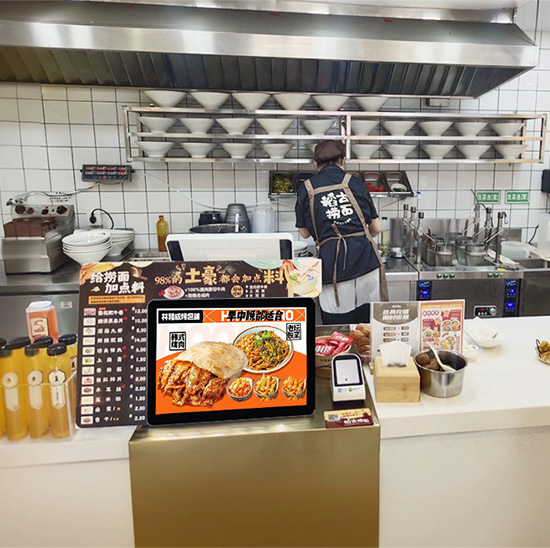
Core Features of Compact Industrial HMI Screens for Component Assembly
1. Space-Saving Design Without Sacrificing Functionality
The defining advantage of Compact Industrial HMI Screens is their ability to deliver full HMI capabilities in a minimized footprint:
Compact form factors: Available in 5–10 inch screen sizes (ideal for benchtops) and slim profiles (as thin as 25mm), fitting into tight spaces between assembly tools, fixtures, or machine enclosures.
Opzioni di montaggio flessibili: Montaggio a pannello, montaggio su braccio, or VESA-mount designs adapt to diverse setups—from embedded installation in small assembly machines to wall-mounting above crowded workbenches.
Integrated components: Combined display and controller units eliminate the need for separate processing hardware, reducing clutter and simplifying setup.
2. Rugged Construction for Assembly Environment Durability
Component assembly floors pose unique risks—dust, minor impacts, and constant use—and these HMI screens are built to endure:
Costruzione di livello industriale: 2.5mm tempered glass screens resist scratches from tools or component parts, while reinforced plastic or aluminum housings withstand accidental knocks.
Resilienza ambientale: Le custodie con grado di protezione IP65 bloccano la polvere, nebbia di refrigerante, and minor fluid spills common in electronics or automotive component assembly, ensuring reliable operation.
Resistenza alle vibrazioni: Conforme alla norma CEI 60068-2-6 standard, the screens maintain performance amid vibration from nearby assembly machines or robotic arms.
3. Controllo preciso & Real-Time Data Visualization
Component assembly demands accurate process monitoring and instant adjustments—and these HMI screens deliver:
High-resolution displays (1024×600 to 1920×1080): Render detailed assembly guides, diagrammi delle parti, and real-time metrics (per esempio., valori di coppia, letture dei sensori) with crisp clarity, even on smaller screens.
Risposta al tocco a bassa latenza (≤3 ms): Ensures immediate execution of commands—from adjusting machine parameters to confirming assembly steps—critical for maintaining assembly rhythm.
Color-coded data displays: Codifica a colori audace (per esempio., verde per “nelle specifiche”.,” yellow for “warning,” red for “error”) lets technicians quickly identify process status without squinting at small text.
4. Seamless Integration with Assembly Tools & Systems
Interoperability with existing assembly equipment is key for operational efficiency—and these HMI screens integrate seamlessly:
Supporto del protocollo industriale: Compatibile con PROFINET, Ethernet/IP, ModBus, e CANopen, syncing with PLCs, chiavi dinamometriche, sistemi di ispezione visiva, and small assembly robots (per esempio., collaborative robots like cobots).
Integrazione MES/sistema qualità: Automatically logs assembly data (per esempio., part serial numbers, letture della coppia, pass/fail status) nei sistemi di esecuzione della produzione (MES) or quality management software (SGQ) like Siemens Opcenter.
Compatibilità periferica: Si collega agli scanner di codici a barre, label printers, and foot pedals (for hands-free operation) to create end-to-end assembly workflows.
5. User-Centric Interfaces for Assembly Efficiency
Designed with component assembly technicians in mind, these screens prioritize usability:
Simplified, task-specific dashboards: Customizable interfaces display only relevant data (per esempio., “Torque Setting: 5 Nm” or “Step 3: Insert Pin”) to reduce cognitive load.
Step-by-step assembly guidance: Visual prompts (immagini, videos, or text) walk technicians through complex assembly sequences, reducing training time and errors.
Compatibilità con le mani guantate: La tecnologia touch capacitiva o resistiva migliorata funziona con il nitrile, lattice, or leather gloves, eliminando la necessità di rimuovere i DPI durante l'attività.
Key Applications of Compact Industrial HMI Screens in Component Assembly
1. Electronics Component Assembly (Circuit Boards, Sensori)
In electronics manufacturing—where workstations are crowded with soldering irons, pinzette, and test equipment—these HMI screens streamline precision work:
Controllo dei parametri di processo: Displays and adjusts soldering temperatures, pick-and-place machine speeds, or adhesive dispensing amounts, ensuring consistent component bonding.
Quality check guidance: Shows pass/fail criteria for sensor testing or circuit continuity checks, with touch-enabled logging of results linked to component serial numbers.
Monitoraggio dell'inventario: Scans component barcodes to confirm stock levels and ensure correct part usage (per esempio., matching resistors to circuit board models).
2. Automotive Component Assembly (Fasteners, Housings, Wiring Harnesses)
For automotive component production—where space is limited on high-density assembly lines—these HMI screens centralize control:
Torque monitoring: Connects to smart torque wrenches to display real-time torque values during fastener installation, triggering alerts if values deviate from specs.
Wiring harness assembly: Guides technicians through wire routing sequences with digital diagrams, reducing cross-wiring errors and rework.
Monitoraggio dei lotti: Links assembly data (per esempio., numeri di lotto, informazioni sul fornitore) to vehicle VINs via touch-enabled data entry, simplifying traceability.
3. Medical Device Component Assembly (Catheters, Implants, Diagnostic Parts)
In medical component manufacturing—where precision and compliance are critical—these compact HMI screens ensure accuracy:
Sterile environment compatibility: Sealed designs with smooth surfaces are easy to clean and disinfect, meeting FDA and ISO 13485 standards for medical manufacturing.
Process validation: Logs every assembly step (per esempio., “Glue Application: 0.5ml”) and technician sign-off, creating audit trails for regulatory compliance.
Micro-assembly guidance: High-resolution displays zoom into tiny component details (per esempio., catheter lumens) to guide precise positioning.
4. Benchtop & Portable Assembly Stations
For small-batch or custom component assembly—where workstations are often mobile or multi-purpose—these HMI screens offer flexibility:
Portable setup: Lightweight designs (as low as 0.8kg) work with battery-powered assembly tools for on-site or field assembly tasks.
Multi-task support: Quick-switch between different component assembly templates (per esempio., “Sensor A” vs. “Sensor B”) with one touch, adapting to changing production needs.
Technician-specific profiles: Stores individual user preferences (per esempio., screen brightness, language) for shared workstations.
Benefits of Compact Industrial HMI Screens for Component Assembly
1. Maximized Workspace & Increased Assembly Density
By reducing HMI footprint, these screens unlock tangible space benefits:
Workstations can accommodate 20–30% more assembly tools or fixtures, increasing production capacity without expanding floor space.
High-density assembly lines can add more work cells (fino a 15% Di più) with compact HMI screens, boosting overall output.
2. Reduced Assembly Errors & Costi di rilavorazione
Precision guidance and real-time monitoring cut waste and improve quality:
Step-by-step visual guidance reduces human error by 40–50%, lowering rework costs for high-value components (per esempio., elettronica, medical parts).
Real-time alerts for out-of-spec parameters (per esempio., incorrect torque) prevent defective components from moving to downstream processes, saving 25–35% in rework labor.
3. Enhanced Technician Productivity
Streamlined interfaces and space-efficient design boost workflow speed:
Technicians spend 15–20% less time navigating complex HMI menus, focusing more on assembly tasks.
Reduced clutter and intuitive controls cut training time for new staff by 30%, ensuring faster onboarding.
4. Conformità semplificata & Tracciabilità
Component manufacturers face strict quality and audit requirements—and these HMI screens simplify adherence:
Automated data logging creates comprehensive audit trails for ISO 9001, IATF 16949, or FDA regulations, riducendo i tempi di preparazione dell'audit 50%.
Part serial number tracking (linked to HMI data) enables targeted recalls and root-cause analysis for defective components.
FAQs About Compact Industrial HMI Screens for Component Assembly
Q1: Will a 5–10 inch compact HMI screen be large enough for detailed assembly guides?
A1: SÌ. Our high-resolution (1024×600+) screens render detailed images and text clearly, with zoom functionality for close-up views of small components or complex steps.
Q2: Are these compact HMI screens compatible with our existing cobots and torque tools?
A2: Assolutamente. They support all major industrial protocols and integrate seamlessly with leading cobot brands (per esempio., Universal Robots, Doosan) and smart torque tools (per esempio., Atlas Copco). Our team verifies compatibility.
Q3: Can we customize the interface for different component assembly tasks?
A3: SÌ. We offer pre-configured templates for common tasks (per esempio., saldatura elettronica, fastener installation) and user-friendly software to create custom dashboards, step guides, and data fields.
Q4: How durable are these screens in dusty electronics assembly environments?
A4: All models feature IP65-rated enclosures that block dust and particulate matter. The tempered glass screen and sealed housing ensure reliable operation even in high-dust settings.
Q5: What is the typical lifespan of these compact HMI screens in 24/7 assembly operations?
A5: Con componenti di livello industriale, they have a lifespan of 7–10 years in continuous operation. La maggior parte dei modelli include una garanzia di 3-5 anni che copre difetti e problemi di prestazioni.
Conclusione
Compact Industrial HMI Screens redefine what’s possible in component assembly—delivering full HMI power in a space-saving design that adapts to tight workspaces without compromising precision or durability. For manufacturers struggling with crowded workstations, high error rates, or inefficient process control, these screens are a strategic investment that boosts productivity, improves quality, and maximizes floor space. Whether assembling electronics, automotive parts, o dispositivi medici, Compact Industrial HMI Screens empower technicians to work faster, more accurately, and with greater confidence.
Ready to optimize your component assembly workstations with space-saving, high-performance HMI screens? Compila il modulo sul nostro sito Web per entrare in contatto con i nostri esperti di tecnologia industriale. We’ll assess your assembly setup, demonstrate integration with your existing tools, and provide a customized solution proposal—helping you elevate efficiency and precision in your component manufacturing operations.