
Ugostitelji svake godine traže praktične alate za smanjenje radnog pritiska i ubrzavanje usluga u trgovinama. Ručno primanje narudžbi stvara duge redove i česte pogreške u narudžbama tijekom žurbe za ručak i večeru. Iz ovog razloga, više vlasnika restorana ulaže u pametne samoposlužne terminale. Samoposlužni kiosk za naručivanje pojednostavljuje odabir hrane, prilagodba i odjava za sve goste.
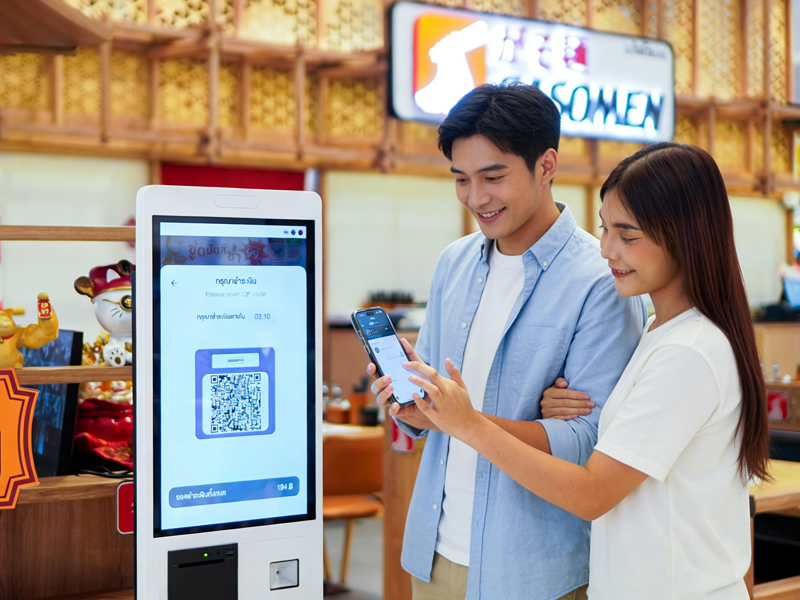
Ipak, većina novih kupaca ima problema s postavljanjem jasnog proračuna prije kupnje. Trošak samoposlužnog kioska za naručivanje drastično se mijenja ovisno o razini zaslona, ugrađeni moduli, softverske funkcije i prilagođeni dizajn. Ovaj vodič pokriva jasne razine cijena, glavni čimbenici cijena, previđeni ponavljajući troškovi i djelotvorne strategije uštede novca.
Tri standardna raspona cijena za samouslužne kioske za naručivanje
Svi samoposlužni kiosci za naručivanje spadaju u tri proračunska nivoa, svaki izgrađen za različite veličine trgovina i razine prometa.
1. Početni kiosk za samoposluživanje u zatvorenom prostoru
Osnovni kiosci ciljaju na male kafiće, snack barovi i novootvoreni lokalni restorani. Nose standardne dodirne ploče, jednostavni sustavi izbornika i dva glavna načina plaćanja. Preskaču dodatne dodatke poput pisača računa ili integracije članova kako bi smanjili početnu potrošnju. Ove lagane jedinice odgovaraju zatvorenim prostorima s malim prometom i ograničenim operativnim proračunom.
2. Komercijalni kiosk za samoposluživanje srednje klase
Modeli srednje razine odgovaraju većini običnih restorana i malih ugostiteljskih lanaca. Integriraju termalne pisače, hardver za višekanalno plaćanje i logika automatskog izračuna popusta. Industrijski zaslon osjetljiv na dodir otporan na ogrebotine pruža stabilan odziv tijekom cjelodnevnih vršnih smjena. Dodatno, sustav podržava daljinsko uređivanje izbornika i sinkronizaciju podataka o prodaji u stvarnom vremenu za svakodnevno upravljanje trgovinom. Ova razina uravnotežuje cijenu i učinak za većinu ugostiteljskih poduzeća.
3. Vrhunski prilagođeni samoposlužni kiosk za naručivanje
Vrhunski kiosci opslužuju velike lance, food courts i zone javnog ugostiteljstva s velikim prometom. Timovi mogu prilagoditi boje školjke, logotipi marke, Izgledi korisničkog sučelja i funkcije prikaza na više jezika. Hardver koristi zaštitu od prašine, ploče protiv sudara i visoke svjetline za prilagodbu prometnim poluotvorenim prostorima. Napredni ugrađeni moduli uključuju praćenje članova, analitiku podataka i izvanmrežne hitne načine rada za dugoročnu stabilnu upotrebu.
Ključni čimbenici koji oblikuju cijenu samouslužnog kioska za naručivanje
Više detalja o hardveru i softveru stvara očite razlike u cijenama između različitih jedinica kioska. Vlasnici tvrtki mogu jasno procijeniti vrijednost pomoću ovih osnovnih standarda.
1. Specifikacije i veličina zaslona osjetljivog na dodir
Dimenzije zaslona izravno mijenjaju osnovne troškove proizvodnje. Popularne veličine pokrivaju 15,6 inča, 21.5-inčne i 27-inčne ploče. Obični zasloni za unutarnje prostore imaju nižu cijenu. Industrijski zasloni protiv odsjaja visoke svjetline dodatno naplaćuju prostore s jakim unutarnjim osvjetljenjem.
2. Priloženi funkcionalni hardverski moduli
Svaka dodatna komponenta povećava ukupne cijene. Ugrađeni uređaji za ispis, QR skeneri, čitači kartica i jedinice za prihvaćanje gotovine zahtijevaju odvojenu proizvodnju i montažu. Osnovni ulazni kiosci uklanjaju nebitni hardver kako bi kontrolirali male proračune trgovina.
3. Razvoj i podrška softverskog sustava
Generički fiksni operativni sustavi koštaju malo i zadovoljavaju jednostavne potrebe naručivanja. Prilagođeno POS pristajanje, programi članstva i pohrana podataka u oblaku zahtijevaju dodatan razvojni rad. Ovi nadograđeni softverski alati generiraju male ponavljajuće naknade za kontinuirana ažuriranja.
4. Ekološki stupanj kućišta kioska
Unutarnji kiosci koriste tanke, standardne metalne školjke za smanjenje troškova materijala. Jedinice za užurbane dvorane s hranom ili poluotvorene prostore trebaju zadebljane okvire protiv trošenja i brtvene slojeve protiv ulja i prašine. Ove ojačane strukture povećavaju ukupne troškove proizvodnje.
5. Prilagođeni izgled i uvjeti nakon prodaje
Tisak robne marke po narudžbi, ekskluzivni oblici ormara i usklađene sheme boja donose personaliziranu vrijednost brendiranja, ali dodaju jednokratne naknade za obradu. Paketi produženog višegodišnjeg jamstva i tehnička podrška na licu mjesta također prilagođavaju konačne planove cijena.
Skriveni stalni troškovi koje mnogi kupci ignoriraju
Većina operatera izračunava samo jednokratne naknade za opremu i zanemaruje naknadnu potrošnju koja utječe na dugoročne proračune.
1. Naknade za instalaciju i kalibraciju na licu mjesta
Jednostavni samostojeći kiosci zahtijevaju minimalan rad na postavljanju bez dodatnih troškova. Zidni ili ugrađeni kiosci zahtijevaju profesionalno ožičenje i otklanjanje grešaka u sustavu, koji mogu sadržavati male jednokratne naknade za uslugu složenih rasporeda mjesta.
2. Troškovi pretplate na Cloud sustav
Osnovni samostalni softver kioska nema godišnje naknade. Napredni sustavi povezani s oblakom prikupljaju niske mjesečne ili godišnje naknade za pohranu podataka, daljinsko ažuriranje izbornika i pozadinsko izvješćivanje o prodaji.
3. Redovna zamjena potrošnih dijelova
Dugi svakodnevni rad stvara prirodno trošenje glava za ispis, film na dodir i senzori za plaćanje. Operateri trebaju mali fiksni mjesečni proračun za zamjenu rezervnih dijelova kako bi izbjegli neočekivane zastoje u servisu.
Jednostavne strategije za smanjenje ukupne potrošnje na samouslužnim kioscima za naručivanje
Vlasnici tvrtki mogu optimizirati proračune bez žrtvovanja stabilnosti uređaja ili osnovnih korisnih funkcija.
1. Uskladite hardver sa stvarnim zahtjevima trgovine
Preskočite vrhunske module ako vaša trgovina obrađuje samo osnovno naručivanje u restoranu. Držite se početnih ili srednjih razina za male trgovine. Rezervirajte punu prilagodbu samo za lokacije velikih lanaca robnih marki.
2. Odaberite modularne proširive strukture kioska
Modularni dizajni omogućuju naknadno dodavanje pisača ili gotovinskih modula bez zamjene cijele jedinice. Ovo raspoređuje početno ulaganje kroz mjesece i olakšava rani financijski pritisak.
3. Naručite skupne jedinice od izravnih proizvođača
Tvorničke izravne kupnje uklanjaju troškove marže treće strane. Skupne narudžbe također otključavaju količinske popuste i objedinjene kanale za nabavu rezervnih dijelova kako bi se pojednostavio kasniji rad na održavanju.
Često postavljana pitanja o cijeni kioska za samoposlužnu narudžbu
P1: Koji raspon cijena odgovara većini običnih nezavisnih restorana?
A1: Samoposlužni kiosci za naručivanje srednje klase po cijenama između $6,800 i $17,500 najbolje funkcioniraju za standardne restorane. Pokrivaju sve dnevne funkcije naručivanja i naplate po uravnoteženoj cijeni.
Q2: Zašto potpuno prilagođeni kiosci imaju mnogo više cijene?
A2: Prilagođeni kiosci trebaju izradu školjki po mjeri, ekskluzivni razvoj korisničkog sučelja i površinska obrada robne marke. Ovi personalizirani koraci zahtijevaju dodatni rad, materijala i resursa tehničkog razvoja.
Q3: Naplaćuju li samoposlužni kiosci za naručivanje obvezne godišnje naknade?
A3: Generički osnovni kiosci nemaju ponavljajuće naknade. Samo napredni sustavi povezani s oblakom naplaćuju niske naknade za pretplatu za upravljanje podacima i redovite nadogradnje sustava.
Q4: Je li vrhunski kiosk vrijedan dodatnog ulaganja za restorane?
A4: Da. Dvorane s hranom s velikim prometom suočavaju se s intenzivnom svakodnevnom upotrebom i složenim uvjetima osvjetljenja. Izdržljivi prilagođeni kiosci smanjuju stope kvarova i smanjuju dugoročne troškove popravka tijekom godina rada.
P5: Mogu li skupne narudžbe smanjiti ukupne troškove samoposlužnog kioska za naručivanje?
A5: Definitivno. Skupne kupnje donose jasne količinske popuste. Uniformni modeli kioska također pojednostavljuju skladištenje rezervnih dijelova i dnevne rutine održavanja za robne marke na više lokacija.
Zaključak
Da sumiramo, trošak samoposlužnog kioska za naručivanje proteže se od $1,600 do preko $38,000 na temelju stupnja hardvera, funkcionalni moduli i opseg prilagodbe. Lagane jedinice za početnike odgovaraju niskobudžetnim malim trgovinama. Komercijalni kiosci srednje klase zadovoljavaju većinu nezavisnih restorana i malih lanaca. Vrhunski prilagođeni terminali ispunjavaju stroge zahtjeve stabilnosti i brendiranja za velika ugostiteljska mjesta. Operateri također moraju uzeti u obzir skrivenu instalaciju, pretplata na softver i troškovi zamjene dijelova kako bi se napravio točan puni proračun. Usklađivanje konfiguracije vašeg kioska sa stvarnim prometom u trgovini i poslovnim potrebama donosi najbolje dugoročne troškovne performanse.
Ako želite točno, prilagođene ponude i ekonomična samoposlužna rješenja kioska za naručivanje za vaše ugostiteljsko mjesto, ispunite obrazac za upit na našoj službenoj web stranici. Podijelite veličinu svoje trgovine, dnevni broj korisnika i potrebne funkcionalne module, a naš profesionalni tim izradit će plan kioska koji odgovara proračunu za vaše poslovanje.