
Les industries de services sont confrontées chaque année à des mises à niveau rapides grâce à des outils numériques intelligents. De nombreux restaurateurs et commerçants adoptent des appareils en libre-service pour améliorer leur efficacité au quotidien.. Entre-temps, de nombreux employés et observateurs du secteur soulèvent une question commune.
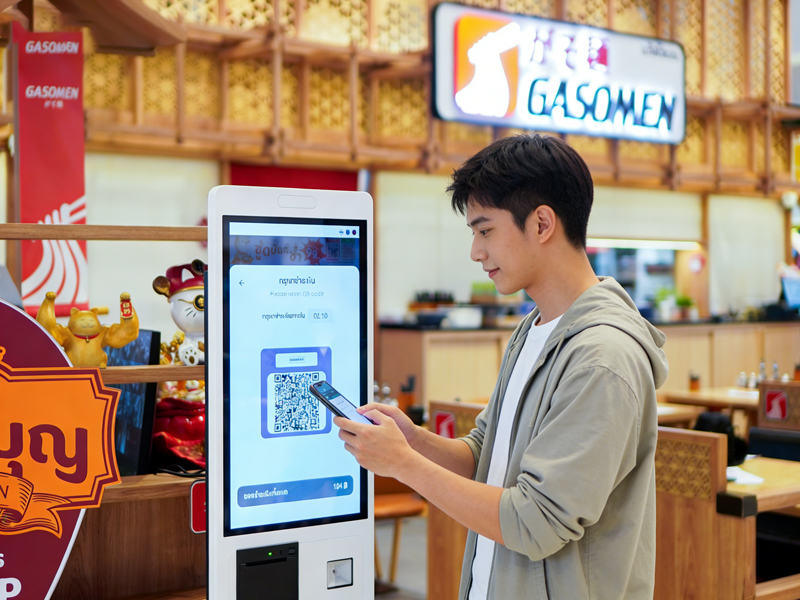
Les gens se demandent souvent si les kiosques à grande échelle prendront complètement le dessus sur les emplois humains.. En fait, les kiosques ne visent pas à éliminer le travail humain. Plutôt, ils remodèlent les flux de travail des services et redistribuent les responsabilités professionnelles. Cet article clarifie le rôle réel des kiosques, changements d'emploi, différences fondamentales entre les machines et les humains, et les tendances réelles de l'industrie.
Quelles tâches les kiosques assument-ils réellement
Les kiosques ne gèrent que les fixes, travail répétitif et de faible valeur dans les scénarios de service. Ils ne couvrent jamais tous les emplois de service.
1. Travail de commande répétitif rapide
Kiosque entreprendre des tâches continues de collecte des commandes et de facturation. Ils traitent les sélections des clients et calculent les factures à longueur de journée. Ils remplacent le travail manuel au comptoir le plus répétitif.
2. Sortie simple des paiements et des reçus
Ces appareils terminent la vérification du paiement et l'impression des reçus en un clic. Ils réduisent les opérations manuelles triviales pour le personnel du magasin. Ils évitent également les erreurs humaines lors des étapes de facturation.
3. Enregistrement des informations client de base
Les kiosques collectent automatiquement des données simples sur la demande des clients. Ils enregistrent les types de commandes, préférences de produits et temps de transaction. Ils évitent le travail manuel de statistiques aux équipes du magasin.
Pourquoi les kiosques ne peuvent pas remplacer entièrement les travailleurs humains
Bien que les kiosques améliorent l'efficacité opérationnelle, ils ont des limites fonctionnelles évidentes. Le personnel humain reste irremplaçable dans les liens de services de base.
1. Les kiosques manquent de capacité flexible à résoudre les problèmes
Les appareils intelligents suivent uniquement la logique du programme prédéfini. Ils ne peuvent pas gérer les plaintes complexes des clients ou les demandes spéciales personnalisées.. Les humains résolvent facilement les problèmes flexibles et inattendus.
2. Les kiosques ne peuvent pas fournir un service émotionnel
Les industries de services ont besoin de température et de communication. Le personnel fournit des conseils aux patients et une interaction amicale. Les kiosques proposent uniquement des procédures de fonctionnement standardisées à froid.
3. Les kiosques dépendent de la maintenance et de la gestion humaines
Tous les kiosques nécessitent une maintenance quotidienne manuelle. Menus de mise à jour du personnel, nettoyer les appareils et réparer les petits défauts. Les machines ne peuvent pas fonctionner de manière indépendante sans assistance humaine.
4. Le fonctionnement sur site nécessite une supervision humaine
Les foules aux heures de pointe nécessitent toujours des conseils sur place. Le personnel guide les nouveaux utilisateurs et trie les demandes des clients. Ils maintiennent le fonctionnement ordonné du magasin à tout moment.
Comment les kiosques remodèlent les emplois de service modernes
Au lieu de supprimer des emplois, les kiosques poussent le travail de service à se mettre à niveau et à itérer.
1. Déplacer le personnel du travail répétitif vers le travail de base
Le personnel consacre moins de temps aux commandes mécaniques. Ils se concentrent sur la production alimentaire, hygiène du magasin et optimisation de l'expérience client. Le contenu du poste devient plus précieux.
2. Créer de nouveaux postes d'opérations techniques
Les magasins ont besoin de personnel pour gérer et entretenir les appareils intelligents. Ces nouveaux rôles incluent le débogage des équipements et l'analyse des données. Ils enrichissent les métiers locaux.
3. Améliorer le confort de travail global des salariés
Les kiosques réduisent le travail répétitif de haute intensité. Le personnel est confronté à une pression de travail moindre pendant les heures de pointe. Ils bénéficient d’un mode de travail plus raisonnable et scientifique.
Avantages commerciaux fondamentaux de la mise en relation des kiosques avec les travailleurs
La combinaison de kiosques et de personnel humain crée le meilleur modèle de service pour les magasins modernes.
1. Améliore considérablement l'efficacité du service en magasin
Les kiosques dispersent la pression des commandes des clients. Les humains gèrent des problèmes de service et d’urgence complexes. Les deux modes se complètent parfaitement.
2. Stabiliser la qualité du service en magasin
Les kiosques garantissent une commande et une facturation standardisées. Le personnel compense les lacunes de service flexibles et émotionnelles. Les magasins maintiennent un service stable et de haute qualité toute la journée.
3. Réduire les coûts d’exploitation à long terme
Les appareils intelligents réduisent le gaspillage des ressources de main-d'œuvre. Entre-temps, le personnel humain maximise la valeur du service. Les magasins bénéficient de meilleures marges bénéficiaires et d’une durabilité opérationnelle.
FAQ sur les kiosques remplaçant les travailleurs
Q1: Les kiosques entraîneront-ils des licenciements massifs?
A1: Non. Les kiosques remplacent uniquement le travail de base répétitif. Ils poussent le personnel à se transformer vers des postes de service et de gestion à haute valeur ajoutée au lieu de supprimer des emplois..
Q2: Les magasins de kiosques entièrement automatisés peuvent-ils fonctionner sans personnel?
A2: Non. Tous les appareils sans pilote nécessitent toujours une maintenance manuelle, nettoyage et traitement des pannes. La participation humaine reste essentielle pour un fonctionnement stable à long terme.
Q3: Quel travail seul le personnel humain peut-il accomplir?
A3: Gestion des problèmes, communication émotionnelle, la maintenance des équipements et la gestion du magasin reposent toutes sur des humains. Les kiosques ne peuvent pas accomplir ces tâches flexibles.
Q4: Les kiosques aident-ils les employés à travailler plus facilement?
A4: Oui. Les kiosques réduisent le travail répétitif fastidieux. Les employés se concentrent sur un travail professionnel et interactif, ce qui réduit considérablement la fatigue au travail quotidienne.
Q5: Le kiosque est-il + modèle humain la future tendance des services?
A5: Certainement. Ce mode hybride équilibre l'efficacité et la température de service. C'est devenu la tendance opérationnelle standard pour les secteurs de la restauration et de la vente au détail..
Conclusion
Pour conclure, les kiosques ne remplacent pas les travailleurs du secteur des services. Ils remplacent simplement les produits de faible valeur, travail mécanique répétitif. Entre-temps, ils favorisent l'amélioration des emplois, optimiser la répartition du travail et créer de nouvelles orientations de travail. Le personnel humain conserve des avantages irremplaçables dans un service flexible, communication émotionnelle et gestion du matériel. La coopération entre les kiosques et les employés construit un système plus efficace, système d'exploitation de magasin stable et humanisé.
Si vous souhaitez déployer des solutions performantes, kiosques libre-service stables pour optimiser l'allocation de la main-d'œuvre de votre magasin et améliorer l'efficacité du service, veuillez remplir le formulaire de demande sur notre site officiel. Partagez votre type de magasin et vos besoins opérationnels, et notre équipe vous fournira des solutions de kiosque professionnelles personnalisées.