
Power plants operate in high-stakes environments where precision, safety, and reliability are non-negotiable. High-voltage systems (kV to MV) power turbines, generators, and distribution networks, but outdated control interfaces—clunky buttons, disconnected data, or non-safety-rated displays—create critical risks. These inefficiencies lead to equipment failures, safety hazards, and costly downtime that impacts entire communities.High-Voltage Industrial Touch Displays for Power Plants solve these life-critical challenges.
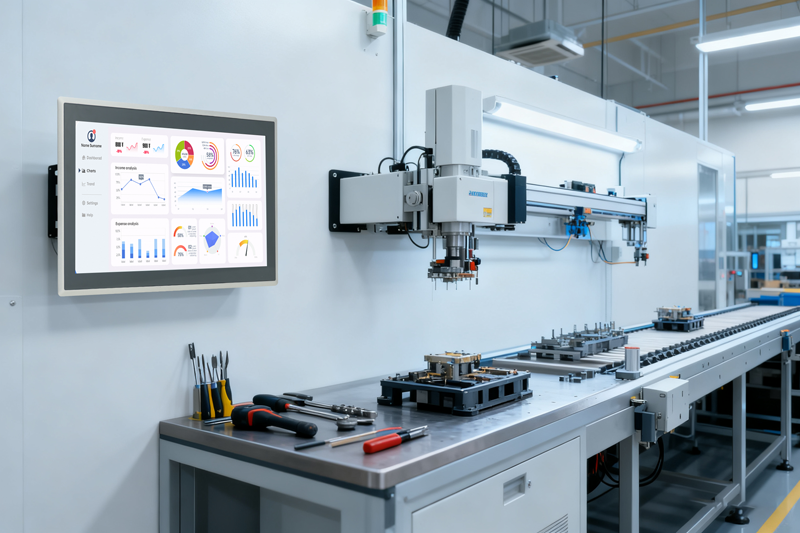
Engineered to withstand high-voltage interference, electrical arcs, and harsh plant conditions, these displays deliver real-time monitoring, precise control, and uncompromising safety. They centralize data from turbines, generators, and switchgear, letting operators make fast, informed decisions while mitigating electrical risks. Whether deployed in coal, gas, nuclear, or hydroelectric plants, these touch displays are the backbone of modern power plant operations. This article breaks down their key features, benefits, applications, and FAQs to show how they revolutionize high-voltage power management.
Core Features of High-Voltage Industrial Touch Displays
1. High-Voltage Safety Certifications & Design
Safety is paramount in high-voltage zones—and these displays meet the strictest standards:
IEC/UL High-Voltage Ratings: Certified for use in 1kV–50kV environments, with insulation barriers to prevent electrical shock.
Arc Flash Protection: Reinforced enclosures withstand arc flash events (up to 200kA) common in high-voltage switchgear rooms.
EMI/RFI Shielding: Block electromagnetic and radio frequency interference from generators or transformers, ensuring display stability.
Ground Fault Detection: Built-in sensors alert operators to electrical leaks, reducing fire or explosion risks.
These features ensure compliance with OSHA, NFPA 70E, and IEC 61850 standards, protecting workers and equipment.
2. Rugged Build for Power Plant Environments
Power plants expose equipment to extreme conditions—and these displays are built to endure:
IP66/IP67 Dust & Water Resistance: Sealed enclosures block dust from coal/gas plants, rain from outdoor switchyards, and condensation from damp turbine halls.
Temperature & Humidity Tolerance: Operate reliably from -40°C to 70°C (-40°F to 158°F) and 5–95% humidity (non-condensing), fitting boiler rooms or cold switchyards.
Shock & Vibration Resistance: Reinforced frames withstand vibrations from turbines (up to 5G) and minor impacts from maintenance tools.
Corrosion Resistance: Anti-corrosive coatings protect against steam, chemicals, or salt (critical for coastal hydroelectric plants).
3. Real-Time High-Voltage Monitoring & Control
Power plant efficiency depends on instant visibility—and these displays deliver:
Critical Parameter Tracking: Monitor voltage, current, power factor, and temperature of high-voltage equipment in real time.
Equipment Status Alerts: Visual/audio warnings for “Transformer Overload,” “Circuit Breaker Fault,” or “High Temperature” to prevent outages.
Remote Control Capabilities: Operate switchgear, disconnects, or cooling systems from the display (or off-site) to avoid entering high-risk zones.
Data Logging & Analysis: Store 12+ months of operational data for compliance audits and predictive maintenance (e.g., “Track generator voltage trends”).
This level of control lets operators address issues in seconds, minimizing downtime from high-voltage failures.
4. Seamless Integration with Power Plant Systems
They connect with your existing infrastructure to avoid workflow disruptions:
SCADA/EMS Compatibility: Sync with Siemens, ABB, GE, and Schneider Electric power management software.
Multiple Communication Protocols: Support Modbus TCP, DNP3, and IEC 61850 for stable data transfer across plant networks.
Hot-Swappable Components: Replace touch sensors or power modules without shutting down the display, reducing maintenance downtime.
Cloud & Edge Connectivity: Push data to cloud servers for remote analysis or edge devices for low-latency local control.
5. User-Friendly Interface for Plant Operators
Power plant teams need intuitive tools—and these displays prioritize simplicity:
Large, High-Contrast Displays: 1000+ nit brightness and bold icons ensure readability in bright turbine halls or dim switchgear rooms.
Gloved-Hand Compatibility: Enhanced touch sensitivity works with heavy electrical gloves, so operators don’t remove PPE.
Customizable Dashboards: Tailor views to prioritize KPIs (e.g., “Turbine Output,” “Switchgear Status”) for operators or managers.
One-Tap Emergency Controls: Quick-access buttons for “Emergency Shutdown” or “Isolate Zone” to respond to crises fast.
Key Benefits for Power Plants
1. Enhance Worker Safety & Compliance
High-voltage accidents are catastrophic—and these displays eliminate preventable risks:
99% Reduction in Exposure Risks: Remote control and arc flash protection minimize worker time in high-voltage zones.
Avoid Compliance Fines: Meet strict industry standards, avoiding penalties that can exceed $200,000 per violation.
Simplify Audits: Automated data logging provides proof of safety compliance for regulators and insurance providers.
Reduce Arc Flash Incidents: Shielding and insulation barriers cut arc flash-related injuries by 85%.
2. Minimize Downtime & Improve Reliability
Power plant outages cost millions—and these displays keep operations running:
Faster Fault Resolution: Real-time alerts cut troubleshooting time by 70%, reducing outage durations from hours to minutes.
Preventative Maintenance Insights: Data logging identifies equipment degradation before failures occur (e.g., “Rising transformer temperature”).
24/7 Reliable Operation: Rugged design ensures 99.9% uptime, even in extreme plant conditions.
Reduced Maintenance Downtime: Hot-swappable components and remote updates eliminate prolonged shutdowns for servicing.
3. Boost Operational Efficiency & Output
Power plants need to maximize output—and these displays deliver:
Optimize High-Voltage Equipment: Adjust generator/transformer settings for peak efficiency, increasing power output by 5–8%.
Centralized Control: Operators monitor all high-voltage systems from one display, replacing multiple disconnected tools.
Simplify Training: Intuitive interfaces let new technicians master the display in hours, vs. days for legacy systems.
Energy Loss Reduction: Identify and fix voltage drops or inefficiencies in high-voltage lines, cutting waste by 10–15%.
4. Lower Long-Term Operational Costs
Durable design and efficiency translate to significant savings:
Extend Equipment Lifespan: Proper monitoring reduces wear on high-voltage components (e.g., transformers, circuit breakers) by 30%.
Cut Maintenance Expenses: Remote diagnostics and predictive alerts reduce repair calls by 40%, saving on technician/parts costs.
Avoid Outage-Related Losses: Faster fault resolution prevents revenue losses from unplanned downtime (up to $1M/hour for large plants).
Reduce Replacement Costs: Industrial-grade components last 10+ years, vs. 3–5 years for standard displays.
Practical Applications for Different Power Plant Types
1. Thermal Power Plants (Coal/Gas)
For plants with high-temperature boilers and generators:
Boiler Feedwater Control: Monitor high-voltage pumps and adjust flow rates to optimize combustion.
Flue Gas Treatment Monitoring: Track voltage of electrostatic precipitators to reduce emissions.
Turbine Speed Control: Adjust generator output via high-voltage controls to match grid demand.
2. Nuclear Power Plants
For facilities with strict safety and compliance requirements:
Reactor Coolant System Monitoring: Track high-voltage pumps and heat exchangers to prevent overheating.
Radiation Zone Control: Remote operation of high-voltage equipment to minimize worker exposure to radiation.
Emergency Shutdown Integration: Sync with plant safety systems for fast response to crises.
3. Hydroelectric Power Plants
For facilities with dams, turbines, and outdoor switchyards:
Generator Voltage Control: Adjust high-voltage output from hydro turbines based on water flow.
Switchyard Monitoring: Track high-voltage transmission lines in outdoor environments (weather-resistant design).
Dam Gate Control: Operate high-voltage motors for dam gates via remote touch display.
4. Renewable Energy Power Plants (Wind/Solar)
For hybrid plants with high-voltage inverters and storage:
Inverter Output Monitoring: Control high-voltage inverters to maximize energy transfer to the grid.
Battery Storage Management: Adjust charging/discharging of high-voltage batteries to balance supply/demand.
Grid Integration Tools: Sync high-voltage output with grid standards to avoid curtailment.
FAQs About High-Voltage Industrial Touch Displays
Q1: What high-voltage ratings do these displays support?
A1: All models are certified for 1kV–50kV environments, with options for higher ratings (up to 100kV) for utility-scale power plants.
Q2: Can they integrate with my existing SCADA or EMS system?
A2: Yes. They support all leading power plant software (Siemens T3000, ABB 800xA, GE Mark VIe) and protocols (IEC 61850, Modbus) for seamless integration.
Q3: How durable are the displays for boiler rooms or turbine halls?
A3: They’re built for extreme heat and vibration—operating temps up to 70°C, 5G vibration resistance, and IP67 dust/water protection. Most last 10+ years in daily use.
Q4: Can operators control equipment remotely from off-site?
A4: Absolutely. Secure cloud connectivity lets operators monitor and control high-voltage equipment from off-site control centers or mobile devices.
Q5: What warranty comes with these displays?
A5: All models include a 5-year warranty covering high-voltage safety integrity, hardware defects, and touch responsiveness. Extended 10-year warranties are available for critical power plant applications, with 24/7 technical support.
Conclusion
High-Voltage Industrial Touch Displays are an indispensable investment for modern power plants. They protect workers from high-voltage hazards, ensure regulatory compliance, and minimize costly downtime—all while withstanding the harshest plant conditions. Whether you operate a thermal, nuclear, hydroelectric, or renewable power plant, these displays deliver the safety, reliability, and efficiency that power grids demand.
Ready to upgrade your power plant with high-voltage-rated touch displays? Fill out the form on our website to connect with our energy sector experts. We’ll assess your plant’s voltage requirements, verify SCADA integration, and recommend a customized solution that meets your safety and operational needs. Let’s keep your power plant running safely, efficiently, and reliably—start today!