
Warehouse robots are transforming logistics, handling tasks from order picking to palletizing with speed and precision. But disconnected or unreliable HMI screens create bottlenecks: robots fail to sync with each other, data delays cause collisions, and operators struggle to monitor performance. These issues slow down workflows, increase errors, and limit the full potential of automated warehouses. Multi-Sync Industrial HMI Screens for Warehouse Robots solve this critical challenge.
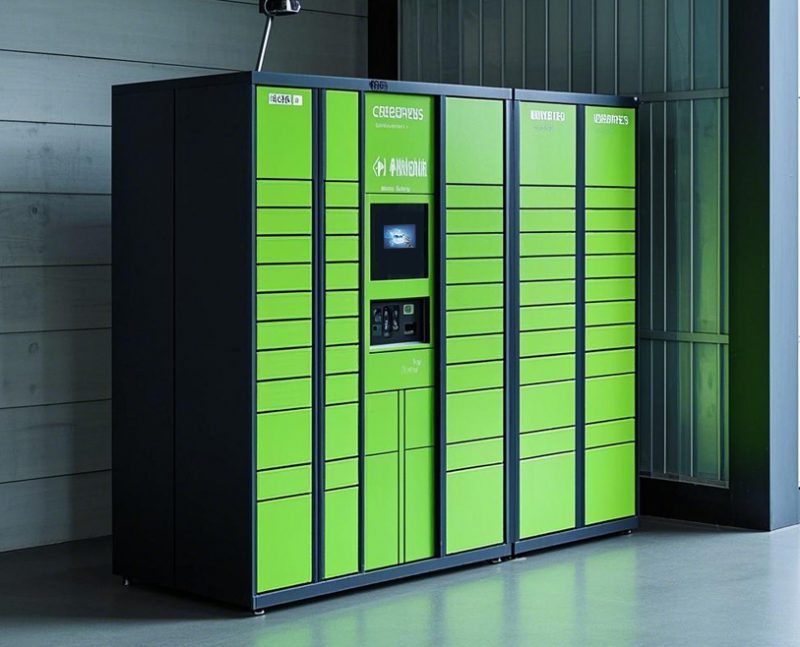
Designed for seamless connectivity between robots, control systems, and human operators, these screens enable real-time data sharing, centralized monitoring, and instant adjustments. They’re built to withstand warehouse dust, vibrations, and constant use, ensuring reliable performance 24/7. Whether you deploy AGVs, AMRs, or robotic arms, these multi-sync HMI screens turn isolated robots into a coordinated, efficient team. This article breaks down their key features, benefits, applications, and FAQs to show how they revolutionize warehouse automation.
Core Features of Multi-Sync Industrial HMI Screens
1. Real-Time Multi-Robot Sync & Coordination
Synchronized operation is the backbone of automated warehouses—and these screens deliver:
Continuous data sharing: Connects up to 50+ robots at once, sharing location, task status, and obstacle data in real time (sub-50ms latency).
Centralized control dashboard: Operators monitor all robots from one screen, adjusting tasks or routes with a single tap.
Collision avoidance alerts: Screens trigger instant warnings if robots risk overlapping paths, preventing downtime from accidents.
Task prioritization tools: Assign urgent tasks (e.g., “Restock fast-moving items”) to robots and sync updates across the fleet instantly.
This level of coordination eliminates silos between robots, turning individual machines into a unified system.
2. Rugged Design for Warehouse Robotics Environments
Warehouse robots operate in harsh conditions—these screens are built to keep up:
IP65/IP67 dust and water resistance: Sealed enclosures block debris from AGV/AMR movement and cleaning sprays.
Vibration and shock resistance: Reinforced frames withstand constant movement (up to 5G vibration) and minor collisions with warehouse racks.
Wide temperature tolerance: Operates reliably from -20°C to 60°C (-4°F to 140°F), fitting cold storage or hot loading docks.
Anti-glare, high-brightness displays: 1000+ nit brightness ensures visibility in sunny warehouses or dim storage areas, even from a distance.
3. Seamless Integration with Warehouse Systems
They connect with your existing automation tools to avoid disruptions:
Compatibility with leading robot brands: Works with Fanuc, KUKA, MiR, and Fetch Robotics, plus WMS/TMS platforms (SAP, Oracle, Manhattan Associates).
Multiple connectivity options: Supports Wi-Fi 6, 5G, Ethernet, and Bluetooth for stable data transfer, even in large warehouses.
Cloud and edge computing support: Sync data to cloud servers for long-term analysis or edge devices for low-latency local control.
API access: Customize integrations with your warehouse software for tailored workflows (e.g., “Sync robot tasks with order management”).
4. Intuitive Operator Interface & Remote Monitoring
Human operators need clear visibility—and these screens simplify control:
Color-coded status displays: Robots show as green (idle), blue (in task), yellow (delayed), or red (error) for at-a-glance monitoring.
One-tap task adjustments: Reassign robots, pause/resume tasks, or update routes without complex coding.
Remote access capabilities: Operators monitor and control robots from off-site devices (tablets, laptops) for 24/7 management.
Self-diagnostic tools: Screens alert operators to robot issues (e.g., “Low battery,” “Sensor failure”) before they cause downtime.
Key Benefits for Automated Warehouses
1. Boost Robot Efficiency & Throughput
Synchronized robots work faster and smarter—these screens drive measurable gains:
Cut task completion time by 25–30%: Coordinated routing reduces backtracking and idle time for AGVs/AMRs.
Increase robot utilization: 90%+ uptime vs. 75% with non-sync HMI screens, as fewer collisions and errors disrupt workflows.
Handle higher order volumes: A synchronized fleet processes 20% more orders daily, critical for peak seasons (e.g., Black Friday).
Optimize energy use: Sync charging schedules to avoid power shortages, ensuring robots stay operational during busy shifts.
2. Reduce Downtime & Maintenance Costs
Unplanned downtime cripples automated warehouses—and these screens prevent it:
Predictive maintenance alerts: Screens track robot performance data (e.g., motor wear, battery health) to schedule repairs proactively.
Faster error resolution: Operators identify and fix issues (e.g., “Stuck robot”) in minutes vs. hours with non-sync systems.
Minimize collision damage: Real-time alerts reduce robot-to-robot or robot-to-rack collisions by 85%, cutting repair costs.
Simplify software updates: Push firmware updates to all robots via the HMI screen, avoiding manual updates for each machine.
3. Improve Safety & Compliance
Automated warehouses demand strict safety standards—and these screens support them:
Operator-robot collaboration tools: Screens highlight “human zones” where robots slow down or stop, preventing accidents.
Audit trail logging: Track all robot actions (task history, route changes, error fixes) for compliance with OSHA and industry regulations.
Emergency stop controls: One-tap emergency shutdown for individual robots or the entire fleet, ensuring rapid response to hazards.
Data encryption: Secure robot-to-screen communication to protect sensitive warehouse data (e.g., inventory levels, order details).
4. Scale Automation Easily
As warehouses grow, these screens adapt without disruption:
Add robots seamlessly: Connect new AGVs/AMRs to the multi-sync network in minutes, no major system overhauls needed.
Customize workflows for expansion: Adjust task rules (e.g., “New picking zone”) and sync across the fleet instantly.
Centralize monitoring for multiple sites: Manage robots across regional warehouses from a single HMI dashboard, ensuring consistency.
Cost-effective scaling: Avoid replacing entire HMI systems when adding robots—simply expand the sync network.
Practical Applications for Warehouse Robots
1. Automated Guided Vehicles (AGVs) & Autonomous Mobile Robots (AMRs)
For robots handling material transport and order picking:
Sync route planning: AGVs share traffic data to avoid congestion in high-traffic warehouse aisles.
Pick-and-place coordination: AMRs sync with conveyor systems to deliver items to packing stations on time.
Battery management: Screens track AGV battery levels and direct low-power robots to charging stations without operator input.
2. Robotic Arms & Palletizing Robots
For stationary robots handling repetitive tasks:
Task handoff sync: Robotic arms share completion data with AGVs to trigger pallet pickup and transport.
Quality control integration: Screens display inspection data (e.g., “Damaged item detected”) and redirect robots to reject stations.
Speed adjustment: Sync arm speed with upstream/downstream robots to prevent bottlenecks (e.g., slower packing = slower palletizing).
3. Cold Storage & Temperature-Controlled Warehouses
For robots operating in extreme conditions:
Low-temperature sync reliability: Screens maintain connectivity in freezers (-20°C) without data delays.
Condensation resistance: Sealed design prevents moisture damage to HMI components in humid cold storage.
Battery performance tracking: Monitor robot battery life in cold conditions (which drains power faster) and sync charging alerts.
4. Large-Scale Distribution Centers
For warehouses with hundreds of robots:
Zone-based sync: Divide the warehouse into zones with dedicated HMI sub-screens, ensuring fast data transfer in large spaces.
Peak season scaling: Add temporary robots (e.g., for holiday orders) to the sync network without performance drops.
Cross-shift handoff: Screens save robot task data to ensure seamless continuity between day/night shifts.
FAQs About Multi-Sync Industrial HMI Screens
Q1: How many robots can a single Multi-Sync HMI Screen support?
A1: A single screen can sync up to 50+ robots simultaneously. For larger fleets (100+ robots), we offer networked HMI systems that connect multiple screens for centralized control.
Q2: Will these screens integrate with my existing warehouse management system (WMS)?
A2: Yes. They support all leading WMS, TMS, and robot control software (SAP, Oracle, MiR Fleet, Fanuc ROBOGUIDE) and include pre-built APIs for quick integration.
Q3: How durable are the screens for constant robot movement and warehouse vibrations?
A3: They’re rated for up to 5G vibration (continuous movement) and 1.5m drop resistance—tough enough for AGV/AMR mounting and warehouse operations.
Q4: Can operators monitor and control robots remotely with these screens?
A4: Absolutely. The screens include secure remote access tools, so operators can manage robots from off-site devices (laptops, tablets) with real-time sync.
Q5: What warranty comes with Multi-Sync Industrial HMI Screens?
A5: All models include a 3-year warranty covering hardware defects, connectivity issues, and environmental damage (dust, vibration). Extended 5-year warranties are available for high-volume automated warehouses, with 24/7 technical support.
Conclusion
Multi-Sync Industrial HMI Screens are the missing link for fully optimized warehouse automation. They turn disconnected robots into a coordinated fleet, boosting efficiency, reducing downtime, and simplifying management. Whether you’re just starting with automation or scaling an existing robot fleet, these screens unlock the full potential of your warehouse robots—delivering faster order fulfillment, lower costs, and a competitive edge in logistics.
Ready to transform your automated warehouse with Multi-Sync Industrial HMI Screens? Fill out the form on our website to connect with our robotics technology experts. We’ll assess your robot fleet, verify WMS integration, and recommend a customized solution to maximize sync efficiency. Let’s turn your warehouse robots into a seamless, high-performance team—start today!