
Los sistemas de almacenamiento de baterías son la columna vertebral de las redes energéticas modernas, almacenar energía renovable, estabilizar el suministro, y respaldar las operaciones de respaldo. Sin embargo, las interfaces de control obsoletas a menudo limitan su potencial.: botones torpes, datos desconectados, o pantallas frágiles provocan ciclos de carga ineficientes, Oportunidades perdidas en la red., y costoso tiempo de inactividad. Estas brechas impiden que los operadores aprovechen el valor total de sus inversiones en baterías. Los paneles táctiles industriales para sistemas de almacenamiento de baterías resuelven estos desafíos críticos.
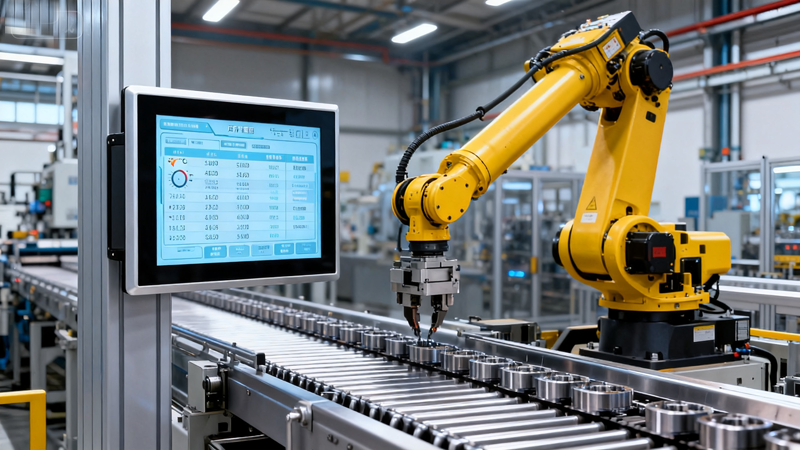
Diseñado para entornos industriales, Estos paneles centralizan la monitorización y control de los bancos de baterías., inversores, y conexiones a la red a través de una interfaz táctil intuitiva. Rastrean el estado de carga, temperatura, y flujo de energía en tiempo real, permitiendo ajustes precisos para maximizar la vida útil y la eficiencia de la batería. Ya sea implementado en instalaciones de almacenamiento a escala de servicios públicos, sistemas de respaldo comerciales, o microrredes de energía renovable, Estos paneles táctiles industriales convierten el almacenamiento de baterías en un sistema inteligente, activo responsivo. Este artículo desglosa sus características principales., beneficios, aplicaciones, y preguntas frecuentes para mostrar cómo revolucionan la gestión del almacenamiento de baterías.
Características principales de los paneles táctiles industriales para sistemas de almacenamiento de baterías
1. Monitoreo del rendimiento de la batería en tiempo real
Los datos precisos son fundamentales para el funcionamiento óptimo de la batería, y estos paneles lo brindan:
Seguimiento de métricas clave: Monitorear el estado de carga (SoC), estado de salud (Sol), Voltaje, actual, y temperatura celular en tiempo real.
Alertas codificadas por colores: Advertencias visuales por sobrecarga, calentamiento excesivo, SoC bajo, o desequilibrio de celdas para evitar daños a la batería.
Paneles personalizables: Adaptar vistas para priorizar métricas para los operadores, ingenieros, o gestores de energía (p.ej., “Estado de exportación de la red,"Duración de la batería").
Tasas de actualización de datos: Actualice las métricas cada 1 o 2 segundos para capturar cambios rápidos en el flujo de energía o las condiciones de la batería..
Este nivel de visibilidad garantiza que los operadores detecten los problemas en el momento en que surgen., evitando costosas fallas de la batería.
2. Diseño robusto de grado industrial
Las instalaciones de almacenamiento de baterías son duras y estos paneles están construidos para resistir:
Resistencia al polvo y al agua IP65/IP67: Los gabinetes sellados bloquean el polvo, derrames de refrigerante, y humedad de salas de baterías o instalaciones exteriores.
Amplia tolerancia a la temperatura: Opere de manera confiable de -20 °C a 60 °C (-4°F a 140°F), Instalación de instalaciones de almacenamiento en frío o microrredes en desiertos calientes..
Resistencia a golpes y vibraciones: Los marcos reforzados resisten las vibraciones de los inversores y los impactos menores durante el mantenimiento..
Blindaje EMI/RFI: Bloquee la interferencia electromagnética de cargadores de baterías y equipos de red para garantizar un rendimiento estable.
Esta durabilidad garantiza 24/7 operación, incluso en los entornos industriales más exigentes.
3. Control preciso de la batería & Integración de red
Estos paneles convierten los datos en acción para optimizar el uso de energía:
Control de carga/descarga: Ajustar las tarifas de carga para que coincidan con el suministro de energía renovable (p.ej., producción solar máxima) o demanda de red.
Sincronización de red: Sincronice la salida de la batería con la frecuencia y el voltaje de la red para respaldar la estabilidad de la red y evitar restricciones.
Automatización de reducción de picos: Descargue automáticamente las baterías durante las horas pico de demanda para reducir los costos de servicios públicos para los usuarios comerciales..
Activación de energía de respaldo: Activar respaldo de batería instantáneamente cuando falla la energía de la red, Garantizar operaciones ininterrumpidas para instalaciones críticas..
Este control de precisión maximiza el valor económico de los sistemas de almacenamiento en baterías..
4. Integración perfecta con la batería & Sistemas de energía
Se conectan con su infraestructura existente para evitar interrupciones en el flujo de trabajo.:
Compatibilidad de la batería: Funciona con iones de litio, plomo-ácido, y sistemas de baterías de flujo de primeras marcas (Megapaquete Tesla, catl, BYD).
Inversor & Integración EMS: Sincronización con inversores solares, sistemas de gestión de energía (EMS), y plataformas SCADA para visibilidad de extremo a extremo.
Múltiples protocolos de comunicación: Soporte Modbus TCP, Ethernet/IP, MQTT, y bus CAN para una transferencia de datos estable entre sistemas.
Conectividad en la nube: Enviar datos a plataformas en la nube para monitoreo remoto, análisis histórico, y gestión de toda la flota.
5. Interfaz fácil de usar & Acceso remoto
Los equipos industriales necesitan, herramientas flexibles, y estos paneles ofrecen:
Compatibilidad con guantes: La sensibilidad táctil mejorada funciona con guantes de trabajo, para que los operadores no se quiten el EPP en las salas de baterías.
Navegación intuitiva: Los iconos grandes y los menús paso a paso reducen el tiempo de entrenamiento, incluso para personal no técnico.
Capacidades de control remoto: Supervise y ajuste la configuración de la batería desde centros de control externos o dispositivos móviles a través de conexiones seguras.
Soporte multilingüe: oferta ingles, Español, Alemán, y chinos para atender a los equipos industriales globales.
Beneficios clave para los operadores de almacenamiento de baterías
1. Maximice la vida útil de la batería & Reduzca los costos de reemplazo
La degradación de la batería es costosa y estos paneles la ralentizan:
Prolonga la duración de la batería entre un 15 % y un 25 %: Los controles precisos de carga/descarga evitan la sobrecarga y la descarga profunda, las principales causas de degradación.
Identificar el desequilibrio celular temprano: Las alertas de diferencias de voltaje de las celdas permiten a los operadores abordar los problemas antes de que dañen todo el banco de baterías..
Optimice la gestión de la temperatura: Monitoree las temperaturas de las celdas para evitar fugas térmicas y garantizar un rendimiento uniforme en todo el banco..
Reducir la frecuencia de reemplazo: La mayor vida útil de la batería reduce la necesidad de costosos cambios de batería, Reducir los gastos operativos a largo plazo..
2. Impulsar la eficiencia energética & Valor de cuadrícula
Estos paneles convierten el almacenamiento en baterías en un activo generador de beneficios:
Aumentar la utilización de energía renovable: Almacene el exceso de energía solar/eólica para su uso posterior., reducir la dependencia de los combustibles fósiles.
Reducir los cargos por demanda máxima: Automatice la reducción de picos para evitar costosos recargos por servicios públicos, ahorro a los usuarios comerciales entre un 20 y un 30 % en sus facturas de energía.
Servicios de red de soporte: Participar en programas de regulación de frecuencia o respuesta a la demanda para obtener ingresos adicionales de los operadores de red..
Minimizar el desperdicio de energía: Optimice los ciclos de carga para que coincidan con los períodos de energía de la red de bajo costo, Reducir los costos generales de electricidad..
3. Simplifique el mantenimiento & Mejorar la seguridad
La seguridad del almacenamiento de baterías no es negociable y estos paneles la respaldan:
Alertas de mantenimiento predictivo: Identifique las tendencias de degradación de la batería para programar el servicio antes de que ocurran fallas..
Diagnóstico remoto: Solucionar problemas desde ubicaciones externas, Reducir la necesidad de visitas in situ a salas de baterías peligrosas..
Integración de protocolos de seguridad.: Activar sistemas de ventilación o refrigeración automáticamente si la temperatura de la batería supera los niveles seguros.
control de acceso: Restringir operaciones sensibles (p.ej., descarga manual) a usuarios autorizados, garantizar un funcionamiento conforme y seguro.
4. Mejorar la visibilidad operativa & Toma de decisiones
Los conocimientos basados en datos conducen a una gestión energética más inteligente:
Análisis de desempeño histórico: Realice un seguimiento del SoH de la batería y del flujo de energía a lo largo del tiempo para identificar patrones de eficiencia..
Herramientas de informes personalizados: Generar informes de costos de energía., ingresos por exportaciones de red, y estado de la batería para compartir con las partes interesadas.
Planificación de escenarios: Utilice datos históricos para modelar el rendimiento de la batería en diferentes condiciones de red o de energía renovable..
Gestión de toda la flota: Supervise varios sitios de almacenamiento de baterías desde un único panel, ideal para operadores de escala de servicios públicos.
Aplicaciones prácticas para diferentes configuraciones de almacenamiento de baterías
1. Instalaciones de almacenamiento de baterías a escala de servicios públicos
Para sistemas de almacenamiento conectados a la red a gran escala:
Monitoreo de flota: Realice un seguimiento de cientos de módulos de batería desde un panel táctil central.
Soporte de estabilidad de la red: Ajuste la salida de la batería para mantener la frecuencia y el voltaje de la red durante picos de demanda o cortes..
Optimización de ingresos: Participar en mercados mayoristas de energía y servicios de red para maximizar la rentabilidad..
2. Comercial & Industrial (do&I) Sistemas de respaldo
Para fábricas, centros de datos, e instalaciones minoristas:
Control de energía de respaldo: Active el respaldo de batería instantáneamente durante cortes de red para proteger operaciones críticas.
Automatización de reducción de picos: Reducir los cargos de demanda máxima descargando las baterías durante los períodos de alto costo de energía..
Autoconsumo solar: Almacene el exceso de energía solar en los tejados para utilizarla durante las horas de la noche., reducir la dependencia de la energía de la red.
3. Microrredes de energía renovable
Para sistemas solares/eólicos aislados de la red (comunidades remotas, sitios mineros):
Equilibrio de carga: Ajustar la carga/descarga de la batería para que coincida con el suministro de energía renovable y la demanda local..
Fiabilidad fuera de la red: Garantice una energía constante para instalaciones remotas que carecen de acceso a la red.
Control del sistema híbrido: Gestionar la energía solar integrada, viento, y sistemas de baterías desde una única interfaz.
4. Residencial & Almacenamiento de baterías de unidades múltiples
Para grandes complejos de apartamentos o comunidades residenciales:
Gestión centralizada de la batería: Monitorear bancos de baterías compartidos para apoyar programas solares comunitarios.
Distribución de energía de respaldo: Asigne energía de la batería a áreas críticas (p.ej., iluminación de escalera, sistemas de seguridad) durante cortes.
Asignación de costos: Realice un seguimiento del uso de energía por unidad para facturar a los residentes de manera justa por el acceso al almacenamiento de baterías.
Preguntas frecuentes sobre paneles táctiles industriales para sistemas de almacenamiento de baterías
Q1: ¿Funcionará el panel táctil industrial con mi tipo de batería actual? (iones de litio, plomo-ácido, etc.)?
A1: Sí. Es compatible con todas las principales químicas de baterías., incluyendo iones de litio, plomo-ácido, fluir, y baterías a base de níquel. Nuestro equipo verifica la compatibilidad durante la configuración para garantizar una integración perfecta..
Q2: ¿Qué tan duradero es el panel para ambientes de sala de baterías??
A2: Está diseñado para entornos de baterías industriales: resistencia al agua/polvo IP67, amplia tolerancia a la temperatura, y blindaje EMI. La mayoría de los modelos duran entre 8 y 10 años en funcionamiento diario con un mantenimiento mínimo..
Q3: ¿Puedo acceder a los datos del panel de forma remota desde un centro de control externo??
A3: Absolutamente. La conectividad segura en la nube le permite monitorear el rendimiento de la batería, ajustar la configuración, y reciba alertas desde cualquier dispositivo con acceso a Internet, ideal para operadores de sitios múltiples.
Q4: ¿El panel admite reducción de picos automatizada y sincronización de red??
A4: Sí. Incluye herramientas de automatización integradas para reducir los picos., respuesta a la demanda, y sincronización de red. Puede personalizar las reglas para que coincidan con sus objetivos energéticos y requisitos de red..
Q5: ¿Qué garantía tienen los paneles táctiles industriales para sistemas de almacenamiento en baterías??
A5: Todos los modelos incluyen una garantía de 3 años que cubre defectos de hardware., capacidad de respuesta táctil, y problemas de integración. Se encuentran disponibles garantías extendidas de 5 años para instalaciones a escala de servicios públicos., con 24/7 apoyo técnico.
Conclusión
Los paneles táctiles industriales para sistemas de almacenamiento de baterías son una herramienta indispensable para maximizar la eficiencia, esperanza de vida, y rentabilidad de los activos de baterías. Su diseño robusto, monitoreo en tiempo real, y capacidades de control precisas los hacen ideales para instalaciones a escala de servicios públicos, sistemas de respaldo comerciales, y microrredes renovables por igual. Centralizando la gestión de la batería e integrándose perfectamente con la red y los sistemas renovables, Estos paneles convierten el almacenamiento de batería en un sistema inteligente., Solución receptiva para los desafíos energéticos modernos..
Listo para optimizar su sistema de almacenamiento de batería con confiabilidad, Paneles táctiles industriales fáciles de usar? Complete el formulario en nuestro sitio web para conectarse con nuestros expertos en almacenamiento de energía.. Evaluaremos la configuración de su batería, verificar compatibilidad, y recomendar una solución personalizada para aumentar su eficiencia energética y retorno de la inversión. Convirtamos el almacenamiento de su batería en un activo de alto rendimiento: comience hoy!