
Steel mills operate in unforgiving environments where extreme heat, molten metal splatters, and constant vibrations are part of daily operations. Traditional industrial HMI screens often fail here: high temperatures cause screen blackouts, touch unresponsiveness, and internal component damage. For steel mill operators, these failures disrupt production, lead to costly downtime, and even compromise worker safety. Replacing entire control systems is not only expensive but also time-consuming, as steel mills run non-stop to meet demand.High-Temp Industrial HMI Screens are engineered to solve these critical challenges, tailored specifically for steel mill conditions.
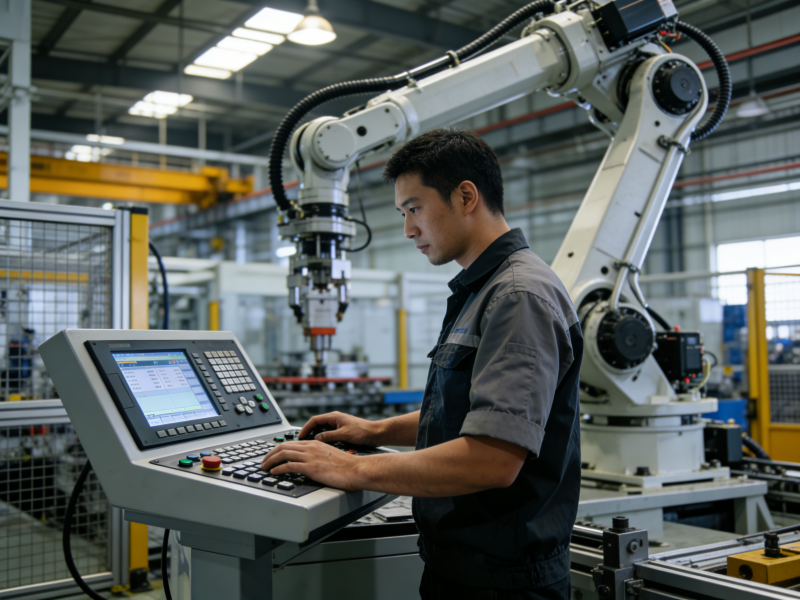
They combine industrial-grade heat resistance, Robuste Haltbarkeit, and intuitive functionality to deliver reliable performance near furnaces, rolling mills, and smelters. These screens operate seamlessly in temperatures up to 70°C, resist dust and moisture, and integrate with existing steel mill PLCs and control systems. By replacing fragile traditional HMI screens with these high-temperature models, steel mills can minimize downtime, boost operational efficiency, and enhance workplace safety—all while extending the lifespan of their control infrastructure. In diesem Artikel werden ihre Kernfunktionen aufgeschlüsselt, Hauptvorteile, steel mill-specific applications, and FAQs to show how they transform industrial control in steel production.
Core Features of High-Temp Industrial HMI Screens for Steel Mills
1. Extreme Heat Resistance for Steel Mill Environments
The defining feature of these HMI screens is their ability to withstand steel mill temperatures:
Großer Betriebstemperaturbereich: Functions reliably from -20°C to 70°C (-4°F bis 158°F), ideal for furnace areas and hot rolling zones.
Wärmeableitendes Design: Uses finned aluminum housings and thermal conductive materials to prevent overheating.
High-temperature component selection: Industrial-grade CPUs, memory, and displays rated for continuous exposure to extreme heat.
Compliance with GB/T6587-2012 standards: Passes rigorous high-temperature testing to ensure long-term reliability.
This heat resistance eliminates screen failures caused by extreme temperatures, keeping steel mill controls operational 24/7.
2. Rugged Durability for Harsh Steel Mill Conditions
Steel mills demand equipment that can withstand physical stress—and these HMI screens deliver:
IP67/IP69K protection: Gegen Staub abgedichtet, molten metal splatters, and high-pressure washdowns common in steel mills.
9H gehärtetes, kratzfestes Glas: Resists damage from tools, metal debris, und unbeabsichtigte Stöße.
Vibrations- und Schockfestigkeit: Absorbs vibrations from rolling mills and crushers, maintaining touch accuracy.
Corrosion-resistant housing: Stainless steel and anodized aluminum protect against moisture and chemical exposure.
This durability ensures the screens hold up to the toughest steel mill environments, reducing maintenance and replacement costs.
3. High-Visibility Displays for Glare-Prone Areas
Steel mill operators need clear visibility—even in bright, high-glare conditions:
1000+ nit brightness: Cuts through furnace glow and ambient light for easy readability.
Anti-glare and anti-reflective coatings: Minimizes reflections from overhead lights and molten metal.
Kontrastreich, große Symbole: Bold text and symbols ensure quick recognition, even with protective eyewear.
Große Betrachtungswinkel: 170° horizontal and 160° vertical viewing ranges for flexible installation.
This visibility lets operators read critical data at a glance, reducing errors and improving response times.
4. Seamless Integration with Steel Mill Control Systems
These HMI screens connect effortlessly to existing steel mill infrastructure:
Compatibility with major PLCs: Works with Siemens S7-300/S7-400, Allen-Bradley, and other steel mill-standard PLCs.
Unterstützung für Industrieprotokolle: Integrates with PROFINET, Modbus, and RS-485 for real-time data sync.
Plug-and-Play-Setup: Connects to existing wiring with minimal modifications, reducing installation downtime.
Fernüberwachungsfunktion: Syncs with mill management systems for off-site oversight and troubleshooting.
This integration ensures the screens fit into your existing workflow without disrupting production.
5. Intuitive Operation for Steel Mill Operators
Steel mill operators need simple, reliable controls—especially in high-pressure environments:
Glove-Touch-Optimierung: Works with heavy-duty industrial gloves, eliminating the need to remove handwear.
Simplified interface design: Focuses on critical functions (temperature control, speed adjustment, alerts) to reduce complexity.
Datenvisualisierung in Echtzeit: Displays furnace temperatures, rolling speeds, and production metrics with 0.1m/min resolution.
Customizable alerts: Configurable notifications for temperature spikes, Gerätestörungen, and safety hazards.
This user-centric design reduces training time and helps operators make quick, informed decisions.
Key Benefits of High-Temp Industrial HMI Screens for Steel Mills
1. Eliminate Heat-Related Downtime & Kosten
Heat-induced failures are a top pain point for steel mills—these screens solve that:
Reduce unplanned downtime by 75%: Heat-resistant components prevent screen blackouts and touch failures.
Cut replacement costs: Durable design extends screen lifespan to 5–7 years, vs. 1–2 years for traditional models.
Minimize production losses: Reliable controls ensure continuous operation of furnaces, rolling mills, and smelters.
Lower maintenance labor: Rugged construction reduces the need for frequent repairs and inspections.
2. Enhance Operational Safety for Steel Mill Workers
Safety is paramount in steel mills—and these HMI screens improve it:
Enable gloved operation: Operators keep protective gloves on, reducing exposure to heat and molten metal.
Clear safety alerts: High-contrast notifications for temperature overruns and equipment hazards.
One-tap emergency controls: Easy access to shutdown functions for quick response to emergencies.
Improve visibility in high-risk areas: Bright displays let operators monitor critical processes from safe distances.
3. Steigern Sie die Produktivität & Control Precision
Outdated HMI screens lead to inefficiencies—these models fix that:
Precise parameter adjustment: Fine-tune furnace temperatures and rolling speeds with accurate touch controls.
Faster changeovers: Preset settings for different steel grades cut production switch time by 40%.
Reduzieren Sie menschliche Fehler: Intuitive interfaces and real-time feedback minimize mistakes in critical processes.
Optimize resource use: Real-time data tracking helps identify energy and material savings opportunities.
4. Extend the Life of Existing Steel Mill Equipment
Upgrading to high-temp HMI screens protects your investment in steel mill machinery:
Prevent control system obsolescence: Modern screens breathe new life into older furnaces and rolling mills.
Avoid costly system overhauls: Integrates with legacy equipment, eliminating the need for full replacements.
Support future upgrades: Software-updatable design lets you add new features as your mill’s needs change.
Ensure consistent performance: Reliable controls reduce wear and tear on connected machinery.
Practical Applications for Steel Mill Operations
1. Blast Furnace Control Systems
For blast furnaces where temperatures exceed 1000°C:
Monitor and adjust furnace temperature: Real-time displays with ±0.5℃ precision control.
Track material feed rates: One-tap adjustments for iron ore, coke, and limestone inputs.
Alerts for pressure spikes: Early warnings to prevent furnace overpressure and safety hazards.
Sync with gas analysis tools: Display hydrogen and carbon monoxide levels for process optimization.
2. Hot Rolling Mill Operations
For high-temperature rolling mills processing red-hot steel:
Control roll speed and pressure: Intuitive adjustments to maintain steel thickness and quality.
Monitor roll temperature: Prevent overheating with real-time thermal data and alerts.
Simplify changeovers: Preset settings for different steel widths and thicknesses.
Track production rates: Display tons per hour and downtime metrics to optimize output.
3. Steel Smelter & Casting Processes
For smelters and casting equipment handling molten steel:
Adjust casting machine settings: Control mold filling speed and cooling time with precise touch controls.
Monitor molten steel temperature: Ensure consistent quality with high-accuracy temperature displays.
Resist molten splatters: IP69K protection shields against accidental molten metal contact.
Track casting defects: Log and display defect counts to identify process improvements.
4. Steel Mill Conveyor & Materialhandhabung
For conveyor systems transporting raw materials and finished steel:
Control conveyor speed: Match material flow to furnace and mill capacity.
Detect jams and overloads: Real-time alerts to prevent equipment damage and downtime.
Withstand high ambient temperatures: Operate reliably near hot steel storage and transport areas.
Sync with inventory systems: Track material movement and stock levels for efficient planning.
FAQs About High-Temp Industrial HMI Screens
Q1: What temperature range can these High-Temp Industrial HMI Screens withstand?
A1: They operate reliably from -20°C to 70°C (-4°F bis 158°F), making them ideal for steel mill furnace areas, rolling mills, and smelters. They also pass GB/T6587-2012 high-temperature testing for long-term durability.
Q2: Will these screens work with my existing steel mill PLCs?
A2: Ja! They integrate seamlessly with all major PLCs used in steel mills, including Siemens S7-300/S7-400, Allen-Bradley, and Mitsubishi. They support PROFINET, Modbus, and RS-485 protocols for easy connectivity.
Q3: Can operators use these HMI screens with heavy industrial gloves?
A3: Absolut! The screens are optimized for gloved operation, supporting thick industrial gloves commonly used in steel mills. This eliminates the need to remove handwear, keeping operators safe from heat and hazards.
Q4: How durable are these screens against molten metal splatters and debris?
A4: They feature IP67/IP69K protection and 9H tempered glass, which resist molten metal splatters, Staub, and impacts. The corrosion-resistant housing also withstands steel mill chemicals and high-pressure washdowns.
F5: What warranty and support come with High-Temp Industrial HMI Screens?
A5: All models include a 3-year warranty covering heat resistance, Touch-Reaktionsfähigkeit, und Hardwaredefekte. Wir bieten auch an 24/7 technische Unterstützung, on-site installation guidance, and training to help your team maximize performance.
Abschluss
High-Temp Industrial HMI Screens are the ultimate control solution for steel mills, built to withstand extreme heat, rugged conditions, and non-stop operation. They deliver reliable performance where traditional screens fail, Ausfallzeiten minimieren, Verbesserung der Sicherheit, und die Produktivität steigern. By upgrading to these specialized HMI screens, you can extend the life of your existing steel mill equipment, reduce operational costs, and ensure consistent production quality—all while keeping your team safe.
Ready to upgrade your steel mill’s control systems with high-temperature, Hochleistungs-HMI-Bildschirme? Füllen Sie das Formular auf unserer Website aus, um mit unseren Experten für Industrietechnologie in Kontakt zu treten. We’ll assess your mill’s specific temperature challenges, Überprüfen Sie die Kompatibilität mit Ihrer vorhandenen Ausrüstung, and recommend a customized solution tailored to your operations. Let’s keep your steel mill running smoothly—even in the hottest conditions—start today!