
Batteriespeichersysteme sind das Rückgrat moderner Energienetze, Speicherung erneuerbaren Stroms, Stabilisierung des Angebots, und Unterstützung von Backup-Vorgängen. Doch veraltete Steuerungsschnittstellen schränken oft ihr Potenzial ein: klobige Knöpfe, getrennte Daten, oder zerbrechliche Displays führen zu ineffizienten Ladezyklen, verpasste Startchancen, und kostspielige Ausfallzeiten. Diese Lücken hindern Betreiber daran, den vollen Wert ihrer Batterieinvestitionen auszuschöpfen. Industrielle Touchpanels für Batteriespeichersysteme lösen diese kritischen Herausforderungen.
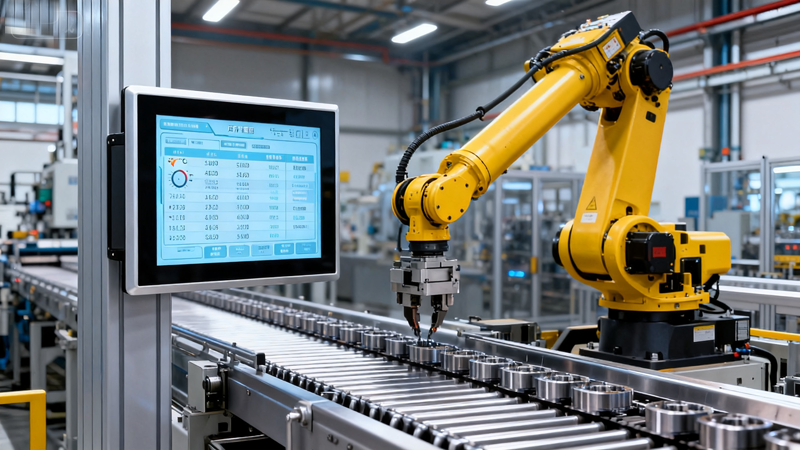
Entwickelt für industrielle Umgebungen, Diese Panels zentralisieren die Überwachung und Steuerung von Batteriebänken, Wechselrichter, und Netzverbindungen über eine intuitive Touch-Oberfläche. Sie verfolgen den Ladezustand, Temperatur, und Energiefluss in Echtzeit, Ermöglicht präzise Anpassungen zur Maximierung der Batterielebensdauer und -effizienz. Ob in Großspeicheranlagen eingesetzt, kommerzielle Backup-Systeme, oder Mikronetze für erneuerbare Energien, Mit diesen Industrial Touch Panels wird der Batteriespeicher zum Smart, reaktionsfähiges Asset. In diesem Artikel werden ihre Kernfunktionen aufgeschlüsselt, Vorteile, Anwendungen, und FAQs zeigen, wie sie das Batteriespeichermanagement revolutionieren.
Kernmerkmale industrieller Touchpanels für Batteriespeichersysteme
1. Überwachung der Batterieleistung in Echtzeit
Genaue Daten sind für einen optimalen Batteriebetrieb von entscheidender Bedeutung – und diese Panels liefern sie:
Verfolgung wichtiger Kennzahlen: Überwachen Sie den Ladezustand (SoC), Gesundheitszustand (SoH), Stromspannung, aktuell, und Zelltemperatur in Echtzeit.
Farbcodierte Warnungen: Visuelle Warnungen bei Überladung, Überhitzung, niedriger SoC, oder Zellungleichgewicht, um Batterieschäden zu verhindern.
Anpassbare Dashboards: Passen Sie Ansichten an, um Metriken für Bediener zu priorisieren, Ingenieure, oder Energiemanager (Z.B., „Grid-Exportstatus,„ „Batterielebensdauer“).
Datenaktualisierungsraten: Aktualisieren Sie die Messwerte alle 1–2 Sekunden, um schnelle Änderungen des Energieflusses oder des Batteriezustands zu erfassen.
Dieses Maß an Transparenz stellt sicher, dass Bediener Probleme sofort erkennen, wenn sie auftreten, Vermeidung kostspieliger Batterieausfälle.
2. Robustes Design in Industriequalität
Batteriespeicheranlagen sind anspruchsvoll – und diese Module sind für eine lange Lebensdauer ausgelegt:
IP65/IP67 Staub- und Wasserbeständigkeit: Versiegelte Gehäuse blockieren Staub, Kühlmittel verschüttet, und Feuchtigkeit aus Batterieräumen oder Außenanlagen.
Große Temperaturtoleranz: Zuverlässiger Betrieb von -20 °C bis 60 °C (-4°F bis 140°F), Einbau von Kühllagern oder heißen Wüsten-Mikronetzen.
Stoß- und Vibrationsfestigkeit: Verstärkte Rahmen halten Vibrationen von Wechselrichtern und kleineren Stößen während der Wartung stand.
EMI/RFI-Abschirmung: Blockieren Sie elektromagnetische Störungen von Batterieladegeräten und Netzgeräten, um eine stabile Leistung zu gewährleisten.
Das garantiert Langlebigkeit 24/7 Betrieb, selbst in den anspruchsvollsten industriellen Umgebungen.
3. Präzise Batteriesteuerung & Netzintegration
Diese Panels setzen Daten in Maßnahmen um, um den Energieverbrauch zu optimieren:
Lade-/Entladesteuerung: Passen Sie die Ladetarife an die Versorgung mit erneuerbaren Energien an (Z.B., solare Spitzenproduktion) oder Netznachfrage.
Netzsynchronisation: Synchronisieren Sie die Batterieleistung mit der Netzfrequenz und -spannung, um die Netzstabilität zu unterstützen und Leistungseinbußen zu vermeiden.
Automatisierung der Peak-Shaving-Funktion: Entladen Sie Batterien während der Spitzenlastzeiten automatisch, um die Betriebskosten für gewerbliche Nutzer zu senken.
Aktivierung der Notstromversorgung: Lösen Sie sofort ein Batterie-Backup aus, wenn die Netzstromversorgung ausfällt, Gewährleistung eines unterbrechungsfreien Betriebs kritischer Einrichtungen.
Diese präzise Steuerung maximiert den wirtschaftlichen Wert von Batteriespeichersystemen.
4. Nahtlose Integration mit der Batterie & Energiesysteme
Sie verbinden sich mit Ihrer bestehenden Infrastruktur, um Arbeitsabläufe zu vermeiden:
Batteriekompatibilität: Funktioniert mit Lithium-Ionen, Bleisäure, und Flow-Batteriesysteme führender Marken (Tesla Megapack, Katl, BYD).
Wechselrichter & EMS-Integration: Synchronisierung mit Solarwechselrichtern, Energiemanagementsysteme (EMS), und SCADA-Plattformen für durchgängige Sichtbarkeit.
Mehrere Kommunikationsprotokolle: Unterstützt Modbus TCP, Ethernet/IP, MQTT, und CAN-Bus für eine stabile Datenübertragung zwischen Systemen.
Cloud-Konnektivität: Übertragen Sie Daten zur Fernüberwachung auf Cloud-Plattformen, historische Analyse, und flottenweites Management.
5. Benutzerfreundliche Oberfläche & Fernzugriff
Industrieteams brauchen einfache, flexible Werkzeuge – und diese Panels liefern es:
Kompatibilität mit behandschuhten Händen: Erhöhte Berührungsempfindlichkeit funktioniert mit Arbeitshandschuhen, Daher entfernen Bediener ihre PSA nicht in Batterieräumen.
Intuitive Navigation: Große Symbole und Schritt-für-Schritt-Menüs reduzieren die Schulungszeit, auch für nicht-technisches Personal.
Fernbedienungsmöglichkeiten: Überwachen und passen Sie die Batterieeinstellungen über sichere Verbindungen von externen Kontrollzentren oder mobilen Geräten aus an.
Mehrsprachige Unterstützung: Biete Englisch an, Spanisch, Deutsch, und Chinesisch, um globale Industrieteams zu bedienen.
Hauptvorteile für Batteriespeicherbetreiber
1. Maximieren Sie die Batterielebensdauer & Reduzieren Sie die Austauschkosten
Die Verschlechterung der Batterieleistung ist kostspielig – und diese Panels verlangsamen sie:
Verlängern Sie die Akkulaufzeit um 15–25 %: Präzise Lade-/Entladekontrollen verhindern Überladung und Tiefentladung, die Hauptursachen für die Verschlechterung.
Erkennen Sie Zellungleichgewichte frühzeitig: Durch Warnungen zu Zellspannungsunterschieden können Betreiber Probleme beheben, bevor sie die gesamte Batteriebank beschädigen.
Optimieren Sie das Temperaturmanagement: Überwachen Sie die Zellentemperaturen, um ein thermisches Durchgehen zu verhindern und eine gleichmäßige Leistung in der gesamten Bank sicherzustellen.
Reduzieren Sie die Austauschhäufigkeit: Durch die längere Batterielebensdauer entfällt der Bedarf an kostspieligen Batteriewechseln, Senkung der langfristigen Betriebskosten.
2. Steigern Sie die Energieeffizienz & Rasterwert
Diese Panels machen Batteriespeicher zu einem gewinnbringenden Vermögenswert:
Erhöhen Sie die Nutzung erneuerbarer Energien: Speichern Sie überschüssigen Solar-/Windstrom für die spätere Nutzung, Verringerung der Abhängigkeit von fossilen Brennstoffen.
Reduzieren Sie die Spitzenlastgebühren: Automatisieren Sie die Spitzenlastreduzierung, um teure Nebenkosten zu vermeiden, Gewerbekunden sparen 20–30 % ihrer Energiekosten.
Unterstützen Sie Netzdienste: Beteiligen Sie sich an Frequenzregulierungs- oder Demand-Response-Programmen, um zusätzliche Einnahmen von Netzbetreibern zu erzielen.
Minimieren Sie Energieverschwendung: Optimieren Sie die Ladezyklen, um sie an Perioden mit kostengünstiger Netzenergie anzupassen, Senkung der Gesamtstromkosten.
3. Vereinfachen Sie die Wartung & Verbessern Sie die Sicherheit
Die Sicherheit von Batteriespeichern ist nicht verhandelbar – und diese Panels unterstützen sie:
Warnungen zur vorausschauenden Wartung: Identifizieren Sie Batterieverschlechterungstendenzen, um Wartungsarbeiten zu planen, bevor es zu Ausfällen kommt.
Ferndiagnose: Beheben Sie Probleme von externen Standorten aus, Reduzierung der Notwendigkeit von Vor-Ort-Besuchen in gefährlichen Batterieräumen.
Integration von Sicherheitsprotokollen: Lösen Sie Lüftungs- oder Kühlsysteme automatisch aus, wenn die Batterietemperaturen über sichere Werte steigen.
Zugangskontrolle: Beschränken Sie sensible Vorgänge (Z.B., manuelle Entladung) an autorisierte Benutzer, Gewährleistung eines konformen und sicheren Betriebs.
4. Verbessern Sie die betriebliche Transparenz & Entscheidungsfindung
Datenbasierte Erkenntnisse führen zu einem intelligenteren Energiemanagement:
Historische Leistungsanalyse: Verfolgen Sie den Batterie-SoH und den Energiefluss im Laufe der Zeit, um Effizienzmuster zu erkennen.
Benutzerdefinierte Berichtstools: Erstellen Sie Berichte zu Energiekosten, Einnahmen aus Netzexporten, und Batteriezustand, um sie mit Interessengruppen zu teilen.
Szenarioplanung: Verwenden Sie historische Daten, um die Batterieleistung unter verschiedenen Netz- oder erneuerbaren Energiebedingungen zu modellieren.
Flottenweites Management: Überwachen Sie mehrere Batteriespeicherstandorte über ein einziges Dashboard, Ideal für Betreiber im Versorgungsmaßstab.
Praktische Anwendungen für verschiedene Batteriespeichereinstellungen
1. Batteriespeicher im Versorgungsmaßstab
Für große netzgekoppelte Speichersysteme:
Flottenüberwachung: Verfolgen Sie Hunderte von Batteriemodulen über ein zentrales Touchpanel-Dashboard.
Unterstützung der Netzstabilität: Passen Sie die Batterieleistung an, um Netzfrequenz und -spannung bei Spitzenbedarf oder Ausfällen aufrechtzuerhalten.
Umsatzoptimierung: Beteiligen Sie sich an Energiegroßhandelsmärkten und Netzdiensten, um die Rentabilität zu maximieren.
2. Kommerziell & Industriell (C&ICH) Backup-Systeme
Für Fabriken, Rechenzentren, und Einzelhandelseinrichtungen:
Steuerung der Notstromversorgung: Lösen Sie bei Netzausfällen sofort ein Batterie-Backup aus, um kritische Vorgänge zu schützen.
Automatisierung der Peak-Shaving-Funktion: Reduzieren Sie Spitzenlastgebühren, indem Sie Batterien in Zeiten hoher Energiekosten entladen.
Solarer Eigenverbrauch: Speichern Sie überschüssige Solarenergie auf dem Dach für die Nutzung in den Abendstunden, Verringerung der Abhängigkeit vom Netzstrom.
3. Mikronetze für erneuerbare Energien
Für netzunabhängige Solar-/Windsysteme (abgelegene Gemeinden, Bergbaustandorte):
Lastausgleich: Passen Sie das Laden/Entladen der Batterie an das Angebot an erneuerbarer Energie und den lokalen Bedarf an.
Off-Grid-Zuverlässigkeit: Stellen Sie eine konstante Stromversorgung für abgelegene Einrichtungen sicher, die keinen Netzzugang haben.
Hybridsystemsteuerung: Verwalten Sie integrierte Solaranlagen, Wind, und Batteriesysteme über eine einzige Schnittstelle.
4. Wohnen & Batteriespeicher mit mehreren Einheiten
Für große Apartmentanlagen oder Wohngemeinschaften:
Zentralisiertes Batteriemanagement: Überwachen Sie gemeinsam genutzte Batteriebanken, um kommunale Solarprogramme zu unterstützen.
Notstromverteilung: Teilen Sie die Batterieleistung kritischen Bereichen zu (Z.B., Treppenhausbeleuchtung, Sicherheitssysteme) bei Ausfällen.
Kostenverteilung: Verfolgen Sie den Energieverbrauch pro Einheit, um den Bewohnern den Zugang zu Batteriespeichern fair in Rechnung zu stellen.
FAQs zu Industrie-Touchpanels für Batteriespeichersysteme
Q1: Funktioniert das Industrie-Touchpanel mit meinem vorhandenen Batterietyp? (Lithium-Ionen, Bleisäure, usw.)?
A1: Ja. Es ist mit allen gängigen Batteriechemien kompatibel, einschließlich Lithium-Ionen, Bleisäure, fließen, und Batterien auf Nickelbasis. Unser Team überprüft während der Einrichtung die Kompatibilität, um eine nahtlose Integration sicherzustellen.
Q2: Wie langlebig ist das Panel für Batterieraumumgebungen??
A2: Es ist für industrielle Batterieeinstellungen konzipiert – IP67-Wasser- und Staubbeständigkeit, große Temperaturtoleranz, und EMI-Abschirmung. Die meisten Modelle halten im täglichen Betrieb bei minimalem Wartungsaufwand 8–10 Jahre.
Q3: Kann ich von einem externen Kontrollzentrum aus auf die Daten des Panels zugreifen??
A3: Absolut. Dank der sicheren Cloud-Konnektivität können Sie die Batterieleistung überwachen, Einstellungen anpassen, und erhalten Sie Benachrichtigungen von jedem Gerät mit Internetzugang – ideal für Betreiber mehrerer Standorte.
Q4: Unterstützt das Panel die automatische Spitzenausgleichung und Netzsynchronisierung??
A4: Ja. Es enthält integrierte Automatisierungstools für die Peak Shaving, Nachfragereaktion, und Netzsynchronisation. Sie können Regeln anpassen, um sie an Ihre Energieziele und Netzanforderungen anzupassen.
F5: Welche Garantie gibt es bei Industrial Touch Panels für Batteriespeichersysteme??
A5: Für alle Modelle gilt eine dreijährige Garantie auf Hardwaredefekte, Touch-Reaktionsfähigkeit, und Integrationsfragen. Für Anlagen im Versorgungsmaßstab sind erweiterte 5-Jahres-Garantien verfügbar, mit 24/7 technische Unterstützung.
Abschluss
Industrielle Touchpanels für Batteriespeichersysteme sind ein unverzichtbares Werkzeug zur Maximierung der Effizienz, Lebensdauer, und Rentabilität von Batterieanlagen. Ihr robustes Design, Echtzeitüberwachung, und präzise Steuerungsmöglichkeiten machen sie ideal für Anlagen im Versorgungsmaßstab, kommerzielle Backup-Systeme, und erneuerbare Mikronetze gleichermaßen. Durch die Zentralisierung des Batteriemanagements und die nahtlose Integration in Netz- und erneuerbare Systeme, Mit diesen Panels wird der Batteriespeicher zum Smart, reaktionsfähige Lösung für moderne Energieherausforderungen.
Bereit, Ihr Batteriespeichersystem zuverlässig zu optimieren, benutzerfreundliche Industrie-Touchpanels? Füllen Sie das Formular auf unserer Website aus, um mit unseren Energiespeicherexperten in Kontakt zu treten. Wir beurteilen Ihr Batterie-Setup, Überprüfen Sie die Kompatibilität, und empfehlen Sie eine maßgeschneiderte Lösung zur Steigerung Ihrer Energieeffizienz und Ihres ROI. Lassen Sie uns Ihren Batteriespeicher in ein leistungsstarkes Asset verwandeln – beginnen Sie noch heute!